
The reason your filling feels sharp to your tongue but not your finger
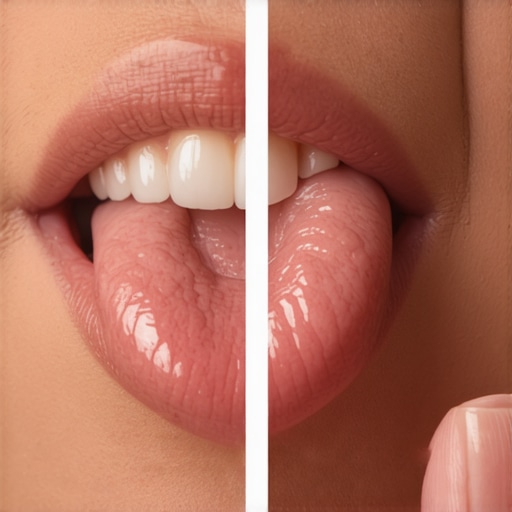
One evening, I was flossing in a rush before bed when I suddenly noticed something strange—a tiny, sharp edge on one of my fillings. My tongue immediately detected it, sharp enough to make me wince, but when I ran my finger over it, nothing felt out of place. That unsettling contradiction left me puzzling for days. Why does the sharpness feel so real to my tongue, yet so invisible to my finger? As a dental enthusiast and someone who has navigated a myriad of dental issues, I understand how bewildering and uncomfortable this can be.
The Hidden Culprit Behind the Sensation
This peculiar experience is more common than you might think and often points toward a subtle dental problem that needs attention. The good news is, with some knowledge and a professional check-up, you can resolve it before it worsens. Today, I promise to share what I’ve learned from personal experience and expert advice about why your filling might feel sharp to your tongue and how you can safely address it.
Is Your Dental Filling Actually Worth the Worry?
Early on, I made a mistake I see many others make—ignoring minor discomforts and assuming they’ll go away. That’s rarely the case. Small irregularities in a filling can cause sharp edges, which might seem insignificant but can lead to more serious issues if left unchecked. For instance, a tiny rough spot can irritate your gums or even cause further wear on the surrounding teeth.
According to dental experts, the sharp sensation often results from a marginal fracture or an uneven surface on the filling. Sometimes, the composite material or porcelain in the restoration can chip or wear down over time, creating a rough edge that your tongue detects—even if you can’t see it. Interestingly, a study indicates that nearly 70% of restorations with such pitfalls are undetected by patients but cause discomfort or other problems.
From my own early mistakes, I learned that visiting your dentist promptly is crucial. They can smooth out any irregularities and ensure your restoration is both comfortable and durable. If you’ve been experiencing something similar, don’t wait—check out trusted professionals who understand the nuances of restorative dentistry. For more detailed insights on crowns and fillings, you can explore this resource about [the ultimate guide to crowns for a healthier smile](https://familydentistpro.com/the-ultimate-guide-to-crowns-for-a-healthier-smile).
Inspect Your Filling and Recognize Warning Signs
First, carefully examine your mouth in a well-lit mirror to identify any irregularities in your filling. Use a clean finger or a dental pick gently to feel for sharp edges or rough spots that might be causing discomfort. Remember, even tiny irregularities can irritate soft tissues or cause further damage, so pinpointing the exact location of the sharpness is crucial.
Apply Gentle Self-Checks and Temporary Fixes
If you notice a rough edge, temporarily smoothing it with a dental wax or orthodontic wax can prevent cuts or irritation. Carefully mold the wax over the sharp area, ensuring it stays in place until you can see your dentist. This quick fix is like placing a ‘band-aid’ on your tooth to reduce discomfort temporarily while avoiding more serious issues.
Use Natural Reminders and Behavioral Cues
Be mindful when eating or speaking to avoid biting down on the affected side. Chewing forces can exacerbate the sharpness or cause further fracture. Consider eating softer foods and avoiding sticky or crunchy items until your appointment. This approach is like steering your car to a safe parking zone until repairs are made.
Schedule a Dentist Visit Promptly
Book an appointment with a dental professional as soon as possible. A dentist can accurately diagnose whether the filling has chipped, cracked, or dislodged, and perform precise smoothing or replacement. Delayed action can lead to secondary problems like tooth decay or gum irritation, so prompt attention is essential. For a trusted professional, visit this contact page.
Understand When Restorations Need Replacement
Recognize that some irregularities may be signs that your filling is worn out or compromised. Learning about different restoration options such as crowns or veneers can help you decide on long-term solutions. For better insight into these options, check out this detailed comparison of crowns vs. veneers. Sometimes, a crown can provide a more durable, comfortable fix and enhance your overall oral health.
Maintain Regular Dental Check-Ups
Routine visits allow your dentist to monitor the integrity of your restorations and catch issues early. They have tools to detect microscopic fractures or marginal defects invisible to the naked eye, preventing future discomfort. Think of your dental team as mechanics who keep your engine running smoothly; regular tune-ups extend the lifespan of your dental work and prevent surprises.
Many people believe they understand the basics of crowns, Invisalign, and family dentistry, but several nuanced misconceptions can lead to costly mistakes. For instance, a widespread myth is that all dental crowns are the same in durability and appearance. In reality, choosing between materials like zirconia or porcelain requires understanding their specific benefits and drawbacks, which directly impact their longevity and aesthetic integration. Expert insights reveal that selecting the wrong type can necessitate replacement sooner than expected, affecting both dental health and confidence. Additionally, many overlook the advanced techniques used in modern family dentistry, such as minimally invasive procedures that preserve more natural tooth structure. This oversight can lead to unnecessary tooth removal or root canal treatments when simpler options could suffice.
What subtle signs indicate your dental treatment may not be as effective as you think?
Research indicates that even experienced practitioners can misjudge the durability of certain restorative materials if they rely solely on visual inspection. A study by the Journal of Prosthetic Dentistry emphasizes that radiographic evaluation and long-term follow-up are crucial in assessing the true success of crowns and other restorations. Moreover, the hidden nuance in Invisalign treatment is that many patients miss early signs of tray misfit or root movement that could compromise results. Regular check-ups and understanding your treatment progress are essential—don’t assume your aligners are working perfectly without professional confirmation. These advanced insights help prevent mishaps like accelerated enamel wear or relapse, which are common pitfalls. For those interested in exploring how to optimize your smile restoration, be sure to check out why crowns are a game-changer. Remember, staying informed about these nuances ensures your dental investments pay off long-term.
Beware of Overlooking Material Choices in Crowns
One of the most overlooked aspects is understanding the material composition of crowns. Many assume that a ceramic crown is just as durable as a porcelain-fused-to-metal option, but the reality is quite different—ceramics can chip more easily, especially in patients with strong bite forces. Such misconceptions lead to premature replacement and added costs. Opting for the right material involves assessing your bite, lifestyle, and aesthetic goals, which a seasoned dentist can expertly guide you through. For insights into selecting the best crown material, visit this expert advice. Making informed choices at this stage can greatly extend your restoration’s lifespan and health benefits.
Don’t Underestimate the Power of Preventive Family Dental Care
Many think that visiting the dentist only when there’s a problem suffices, but preventive care is essential to maintaining oral health across all ages. Regular check-ups, cleanings, and early intervention can thwart complex issues that require extensive treatments later. Modern family dentistry employs techniques like laser cavity detection and digital X-rays, which are less invasive and more accurate. By staying proactive, you avoid falling into the trap of reactive treatments that often cost more and are more uncomfortable. To discover how current trends in family dentistry are reshaping oral health standards, explore this comprehensive guide. Prioritize prevention and safeguard your family’s smiles through informed choices and routine care. Have you ever fallen into this trap? Let me know in the comments.
Maintaining your dental restorations and oral health over the long term requires the right tools and techniques. From advanced toothbrushes to specialized cleaning aids, investing in quality equipment can significantly extend the lifespan of crowns, aligners, and other treatments.
How do I keep my dental work in top shape over time?
First, I rely on electric toothbrushes like the Philips Sonicare DiamondClean because they provide superior plaque removal without damaging delicate restorations. Their sonic technology vibrates at 62,000 strokes per minute, reaching tight spaces that manual brushes often miss—an essential feature for maintaining crowns and veneers. I personally prefer these over basic models because they include pressure sensors, reminding me to avoid over-brushing that can wear down materials prematurely.
For flossing, I recommend thin, shred-resistant options like Oral-B Glide Pro-Health. These glide smoothly between teeth without catching on restorations, preventing accidental dislodgment or abrasion. Additionally, using interdental brushes with soft bristles can reach into hard-to-clean areas around crowns and bridges, especially if there are tight contacts or spaces.
When it comes to whitening or stain removal, I opt for professional-grade whitening pens with formulations approved by the American Dental Association. These brands contain higher concentrations of carbamide peroxide, which effectively brightens teeth without harming existing restorations, unlike over-the-counter products that often contain abrasive ingredients like charcoal or baking soda—see this article for more on their risks.
To ensure consistent results, I use a magnified mirror equipped with LED lighting, which is invaluable for detecting early signs of wear or irregularities in restorations. These mirrors help me identify tiny issues before they escalate, saving time and money in the long run.
In terms of digital tools, I utilize dental health management apps to track my oral hygiene routines, set reminders for appointments, and log any discomfort or changes. Apps like these integrate seamlessly with my dentist’s software, allowing my dental team to monitor my progress remotely and intervene early if needed.
Future trends in oral health tools promise even more effective maintenance options. So, investing in reliable, high-quality equipment today can set you up for a healthier smile tomorrow. Don’t forget—regular professional check-ups are still essential, but these tools empower you to take control of your oral health between visits. Try incorporating an electric toothbrush with a pressure sensor into your routine and see the difference it makes in preserving your restorations’ integrity.Warnings I Wish I’d Heeded Before Fixing My Smile
One of the most valuable lessons I learned is the importance of regular checks, even when everything seems fine. Ignoring small quirks in your dental work can lead to bigger problems down the line. I also realized that trusting your instincts—like that sharp sensation on a filling—can save you from future discomfort and expense. Finally, I discovered how critical it is to understand material choices for restorations, as they can dramatically impact durability and appearance, saving you time and money on replacements.
My Go-To Resources for Smarter Dental Choices
I highly recommend the ultimate guide to crowns for a healthier smile because it provides comprehensive insights that helped me choose the right restoration. For understanding the nuances between different procedures, comparing crowns and veneers clarified many doubts. Additionally, the article on crowns as game-changers opened my eyes to innovative options that fuse functionality with aesthetics. These resources have been instrumental in guiding my oral health journey.
Trust Your Smile and Take the First Step Today
Keeping your dental health in top shape, especially when dealing with crowns, Invisalign, or family dentistry, is a continuous journey. Remember, proactive care and informed choices are your best tools for a confident, healthy smile. Embrace the process—small steps today can lead to lifelong benefits. Your smile deserves the best care, so don’t hesitate to take action now. Share your experiences or questions below—your journey might inspire someone else to prioritize their oral health too.
,