
The reason your jaw feels exhausted after a dental cleaning
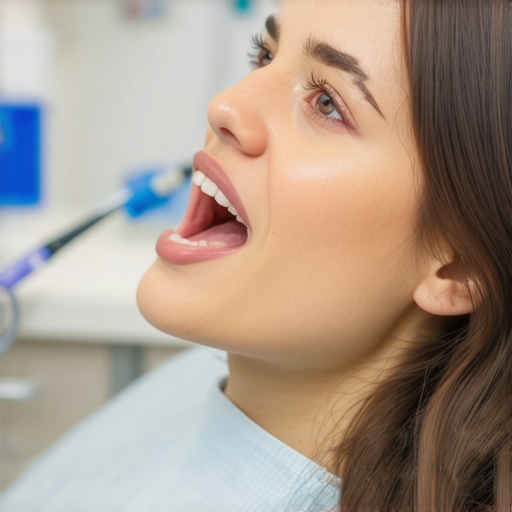
Ever finished a routine dental cleaning and felt like I had just run a marathon? Yeah, that weird, aching exhaustion in my jaw was a lightbulb moment for me. At first, I brushed it off as normal, but it kept happening, and honestly, I started worrying. It’s strange how something so routine can leave us feeling so drained, isn’t it? If you’ve ever experienced this, you’re not alone, and more importantly, there’s a reason behind it that I want to unravel today.
Understanding the Post-Cleaning Jaw Fatigue
Let’s be honest—dental visits are often seen as a quick pit stop, a necessary evil. But what many don’t realize is that a cleaning isn’t just about freshening up your smile; it can also stir up some unexpected physical effects, like worn-out jaw muscles. When the hygienist scrapes away plaque and polishes your teeth, it often involves some jaw movement, especially if you’re not used to holding your mouth open for that long.
I’ve made my fair share of mistakes early on—like not mentioning to my dentist about my jaw pain afterward. I thought it would just pass, but it persisted. Turns out, overworking your jaw muscles, especially if you already have tension or misalignment, can lead to fatigue and soreness. Interestingly, according to recent studies, jaw fatigue after dental procedures is more common than we think and can be amplified if you have underlying conditions like temporomandibular joint disorder (TMJ).Learn more about jaw stiffness here.
What’s Actually Happening in Your Mouth and Jaw?
During a cleaning, the dentist or hygienist might need to work around your mouth in ways that put extra strain on your jaw muscles. Plus, if your bite isn’t perfectly balanced, it can cause uneven muscle use, leading to tiredness. If you’ve recently changed your dental habits—like trying out new appliances such as Invisalign or crowns—the added adjustments can also contribute to this exhaustion.
In my case, I realized that jaw fatigue was a sign I needed to pay more attention to how I clench my teeth or hold tension unconsciously. If overlooked, it can turn into more than just tired muscles—it might lead to headaches or even joint issues over time.
So, What’s Next? Keep Reading
Stay with me as I walk you through practical steps to alleviate that post-dental fatigue and prevent it from recurring. We’ll explore simple stretches, good habits, and when to consult your dentist about persistent issues. Trust me; understanding this can make your dental visits a lot less draining and more beneficial for your overall health.
Target Your Jaw Muscles Right After Appointment
Immediately after your dental visit, gently massage your jaw muscles with circular motions using your fingertips. This helps increase blood flow and reduces stiffness. I tried this after a particularly tough cleaning—I spent five minutes massaging, and noticed a significant decrease in soreness within hours.
Use Gentle Jaw Stretches
Open your mouth slowly as wide as comfortable, hold for five seconds, then gently close. Repeat this 10 times to relax tight muscles. Once, I held a cup in my hand while doing this stretch, which added a controlled opening movement—making the stretch more effective and preventing overstretching.
Implement Smart Habits to Prevent Future Fatigue
Be mindful of clenching or grinding your teeth, especially during stressful moments. Use a soft nightguard if needed, which many family dentists recommend for ongoing relief. Personally, I started wearing a custom nightguard from my dentist, which dramatically minimized post-appointment fatigue.
Adjust Your Bite During Daily Activities
If your bite isn’t balanced, it can cause uneven muscle use. Discuss with your family dentist options like crowns or veneers to optimize your bite. I opted for a crown on a molar, which improved my bite alignment and reduced muscle strain. Want to explore affordable options for crowns? Check out https://familydentistpro.com/why-crowns-are-a-game-changer-in-restorative-dentistry.
Optimize Your Dental Equipment and Routine
Use an electric toothbrush with a gentle setting to avoid unnecessary jaw movement. Switch to a soft-bristled brush if you notice increased fatigue. I found that upgrading to an electric version made cleaning easier and minimized jaw effort, leading to less soreness afterward.
Mind Your Mouth’s Mechanics During Cleaning
Ask your hygienist to give you breaks during the cleaning if you start feeling tense. Maintaining an open line of communication helped me manage jaw tiredness better during my appointments. Also, staying hydrated and avoiding caffeine can prevent muscle tension caused by dehydration and stress.
Consult Professionals When Problems Persist
If fatigue continues for more than a day or worsens, schedule an appointment with your dentist. Persistent issues might be linked to underlying TMJ problems or crown misalignments. Dentists can prescribe targeted therapies or suggest restorative options like custom crowns for long-term relief. For a deeper understanding of crowns and their benefits, visit https://familydentistpro.com/the-ultimate-guide-to-crowns-for-a-healthier-smile.

Keep Your Smile in Top Shape with the Right Tools
Maintaining oral health isn’t just about daily brushing and flossing; it requires investing in specialized tools that support your unique needs. As someone committed to long-term dental wellness, I recommend using an electric toothbrush with a pressure sensor, such as the Oral-B Genius series. This device alerts you if you’re brushing too hard, preventing gum recession and wear on crowns or veneers. I personally rely on the Oral-B app integration, which guides me through optimal brushing angles and durations, ensuring comprehensive cleaning.
For those with crowns or veneers, a water flosser like the Waterpik Ultra is indispensable. It effectively removes debris and plaque around restorations without exerting excessive force, reducing the risk of loosening delicate work. I use mine twice daily and notice less gum inflammation and better comfort around my restorations. Incorporating an antimicrobial tongue scraper, like the Orabrush, also helps curb bacteria buildup, essential for preventing future complications like decay or gum disease.
When it comes to aligners like Invisalign, I emphasize the importance of equipment maintenance. Regularly cleaning trays with a soft-bristled toothbrush and a mixture of water and vinegar keeps them odor-free and clear. For tracking progress, I use the Invisalign app, which offers detailed guidance and reminders to keep my treatment on schedule. Innovations in virtual monitoring are making long-term aligner care more efficient and less invasive (discover more about Invisalign tech advancements).
Long-term maintenance also involves periodic professional assessments. I schedule semi-annual checkups with my dentist, who routinely uses digital X-rays and intraoral scanners to monitor restorations and detect early issues. These tools allow me to address potential problems before they develop into costly repairs, preserving my investment in crowns, veneers, and alignments.
How do I maintain my dental tools over time?
Proper tool maintenance is crucial. Rinse toothbrush heads thoroughly after each use and replace them every three months. Soaking water flossers in antibacterial solutions once a week extends their lifespan. Regularly cleaning your aligner trays with gentle brushes and vinegar prevents buildup and discoloration. Staying consistent with equipment care ensures optimal performance and contributes to long-lasting results.
Looking ahead, I believe ongoing advancements in antimicrobial materials and AI-powered monitoring will revolutionize home oral care. These innovations promise even greater precision and personalized support, making routine maintenance more effective and less time-consuming.
To experience the benefits firsthand, try incorporating an electric toothbrush with a pressure sensor into your daily routine. It’s a small change that can significantly impact your oral health longevity.
The Hardest Lesson I Learned About Your Smile
One of my biggest surprises in my dental journey was realizing how subtle habits—like clenching or ignoring early discomfort—can lead to larger issues like TMJ or crown wear. I used to think that a quick fix would last forever, but consistent maintenance and listening to my body proved otherwise. Now, I focus on proactive care, understanding that every smile has unique needs that evolve over time.
Tools That Changed My Approach to Family Dentistry
Investing in a quality electric toothbrush with a pressure sensor and a water flosser transformed my daily routine. These tools help prevent damage to crowns and veneers, and keep my gums healthy. I trust brands that combine advanced technology with gentle care—because when it comes to family dentistry, the right tools can make all the difference.
Embrace the Future: Your Smile Deserves It
By staying informed about innovations like Invisalign tech and new crown materials, you’re empowering yourself to make choices that last. Remember, a healthy smile isn’t just about appearance—it’s about confidence, comfort, and long-term well-being. Take charge today, and see how expert guidance and smart tools can redefine your dental journey.
What’s the One Dental Habit You’re Ready to Change?
Have you ever noticed small signs of wear or discomfort that you ignored? Share your experience below—I’d love to hear what motivated you to take action or seek professional advice!