
The reason your mouth feels dry even when you drink water
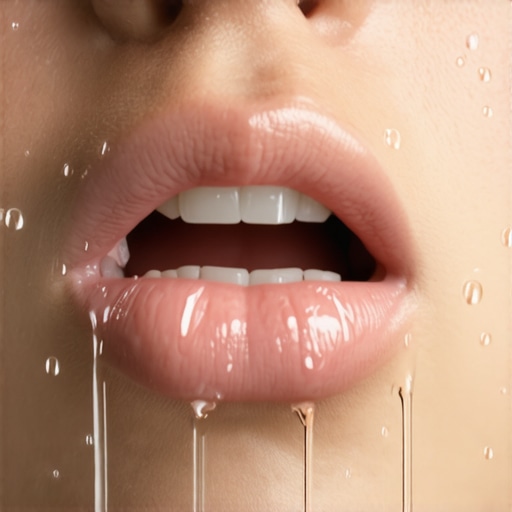
It was a morning like any other, yet I felt an unsettling dryness in my mouth that no amount of water seemed to fix. The sensation was relentless—every sip, every gulp, only momentarily soothing a persistent, nagging discomfort. Frustrating doesn’t even begin to cover it. I started questioning everything: Could this be a sign of dehydration? Or perhaps something more serious?
Why Is My Mouth So Dry Even After Drinking Water?
That question haunted me. As someone passionate about oral health, I knew that dry mouth isn’t just an inconvenience; it can be a sign of underlying issues that deserve attention. It turns out, feeling parched despite drinking water is more common than you might think. Why does this happen? Well, there are several reasons, ranging from simple dehydration to more complex health concerns.
One surprising fact I discovered is that certain medications can significantly reduce saliva production, leading to that dry, sticky feeling in your mouth. Additionally, conditions like sleep apnea and diabetes are known to contribute to xerostomia, the medical term for dry mouth. Interestingly, dehydration isn’t always the culprit; sometimes, your body isn’t producing enough saliva despite adequate hydration.
In my experience, the key is understanding what’s behind your dry mouth. Recognizing the difference between a temporary dehydration and a sign of a deeper health issue can be a game-changer. If left unaddressed, dry mouth can lead to increased cavity risk, bad breath, and discomfort that affects your daily life.
Have you ever experienced this persistent dry feeling even after gulping down water? If so, you’re not alone, and there’s hope. Today, I’ll guide you through the causes, risks, and practical solutions to reclaim your comfort and oral health.
But before jumping into remedies, it’s essential to understand the common mistakes that might be making your situation worse. Early in my own journey, I ignored the importance of regular hydration and used mouthwash excessively—mistakes that only intensified my dry mouth symptoms. Let’s explore how you can avoid such pitfalls and get to the bottom of your dry mouth dilemma.
Identify the Culprit Behind Your Dry Mouth
Start by assessing your medications and lifestyle choices. If you’re on certain drugs like antihistamines or blood pressure meds, these could be reducing your saliva production. I remember when I first suspected my medication was the cause; switching my dosage after consulting my dentist made a noticeable difference. Keep a journal noting when your dry mouth worsens to spot patterns. This initial step prevents unnecessary remedies and targets the root cause effectively.
Optimize Hydration and Oral Habits
Maintaining proper hydration involves more than drinking water; it means sipping frequently throughout the day. Use a water bottle as a constant reminder, much like I did during a hectic workday, to encourage regular intake. Avoid caffeine and alcohol, which can dehydrate you further. Incorporate this habit into your routine by setting alarms or using a hydration app. Additionally, avoid excessive mouthwash use; some commercial formulas contain alcohol that can dry out your mouth. Instead, opt for alcohol-free rinses or saltwater rinses for soothing effects. These simple yet deliberate adjustments can significantly alleviate dryness.
Enhance Saliva Production Naturally
Stimulate saliva flow with specific techniques. Chewing sugar-free gum or sucking on lozenges activates your salivary glands, kind of like exercising muscles to strengthen them. I found that sugar-free mints with xylitol not only kept my mouth moist but also protected my teeth. Incorporate these into your daily routine after meals. Check out more tips for maintaining oral health and ensure you’re giving your mouth a natural boost.
Adjust Your Diet for Better Oral Comfort
Eat hydrating foods such as water-rich fruits and vegetables—think cucumber, melons, or oranges. These serve as natural saliva stimulants, much like watering plants to keep them thriving. Avoid overly salty or spicy foods that can exacerbate dryness. I experimented with incorporating smoothies and soups into my diet, which provided soothing relief and helped maintain hydration. Remember, a balanced diet supports not just overall health but also salivary gland function.
Address Underlying Conditions and Seek Professional Help
If lifestyle modifications don’t bring relief, consider underlying health issues. Conditions like sleep apnea or diabetes may require specialized management. I learned this firsthand when persistent dryness prompted a visit to my healthcare provider. They recommended a comprehensive examination, and in some cases, specialized treatments or therapies might be necessary. For persistent or severe dry mouth, consulting your dentist or doctor is crucial. You can find expert advice on selecting the right dental solutions [here](https://familydentistpro.com/choosing-the-right-crown-expert-advice-for-long-lasting-results). This step ensures that your dry mouth isn’t a symptom of a more serious problem.
Many people assume they fully understand dental crowns, family dentistry, and Invisalign, but beneath the surface lie nuances that are often overlooked. For instance, a common myth is that all crowns are created equal; in reality, the choice of material—like porcelain versus metal—can significantly impact durability and appearance. Learn more about crown options here.
Another misconception pertains to family dentistry. Many believe it only involves routine cleaning, but modern practices incorporate advanced techniques like laser dentistry and digital X-rays, which can enhance comfort and accuracy. Failing to recognize these advancements might lead you to choose less effective treatment options.
When it comes to Invisalign, there’s a prevalent ‘one-size-fits-all’ mentality. However, the reality is that Invisalign’s effectiveness varies based on case complexity and patient commitment. An advanced point is that Invisalign attachments—small tooth-colored bumps—are crucial for complex movements, yet many underestimate their importance. For an in-depth exploration, see this detailed breakdown of Invisalign myths.
A critical mistake made by many is neglecting to consider the long-term impact of these treatments. For example, opting for quick fixes without understanding the implications can lead to additional costs or compromised oral health down the line. The key is to consult with experienced professionals who tailor solutions to your unique needs.
Let’s consider the advanced question: How do biomaterials in crowns influence their integration with natural tissue, and what are the latest innovations in this domain? Recent studies, such as those published in the Journal of Dental Research, highlight that materials like zirconia not only improve aesthetics but also promote better tissue response, reducing inflammation and enhancing longevity. Staying informed about such innovations ensures you make choices rooted in science, not just marketing.
**Have you ever fallen into this trap of oversimplifying your dental options?** Share your experiences in the comments, and let’s demystify these important topics together.Maintaining your dental restorations, like crowns and Invisalign, demands the right tools and consistent methods. I personally swear by High-Quality Ultraviolet C (UV-C) sterilizers for tools because they eliminate bacteria effectively and prolong the lifespan of my dental equipment. Using a reputable brand like UVCare ensures optimal germicidal action, which is crucial for preventing infections, especially when handling multiple family members’ dental tools. Additionally, a trustworthy digital intraoral scanner, such as the iTero Element, has revolutionized my approach by providing precise, real-time imaging that helps plan treatments accurately and monitor progress over time. This technology allows me to assess the condition of restorations and detect early signs of wear or issues, reducing the need for costly fixes later. Predictively, as the integration of AI-driven diagnostics advances, I believe we’ll soon see even smarter devices capable of alerting us about potential problems before symptoms manifest.
How do I maintain Invisalign trays over time?What Surprised Me About Dental Restorations and Family Care
One of the most profound lessons I learned was that the materials used in crowns can significantly influence their lifespan and how well they integrate with natural tissue. Zirconia, for instance, isn’t just durable; it also promotes better tissue response, reducing inflammation and enhancing longevity. This insight changed how I approach choosing materials, emphasizing science-backed options over flashy marketing.
Another realization was that modern family dentistry practices now incorporate advanced techniques like laser treatments and digital impressions, which greatly improve patient comfort and treatment precision. Ignoring these advancements can lead you to miss out on less invasive, more effective care.
Finally, I discovered that Invisalign isn’t a one-size-fits-all solution. Understanding case complexity and the importance of attachments can make or break your results. Delving into the intricacies of these treatments empowers you to make informed decisions, ensuring better outcomes and satisfaction.
My Go-To Tools for Maintaining Dental Innovations
Staying ahead in oral health means using reliable tools that reflect the latest in dental science. I personally trust UV-C sterilizers from brands like UVCare—they eliminate bacteria effectively, providing a safe environment for family tools. Additionally, intraoral scanners like the iTero Element have transformed my routine by offering precise, real-time images, making treatment planning and monitoring a breeze. As AI and smart diagnostics advance, I recommend keeping an eye on emerging devices that will further personalize and improve dental care.
If you’re curious about enhancing your Invisalign experience, investing in quality cleaning trays and storage cases can make a difference. Regularly cleaning and inspecting your aligners with these tools prevents stains and bacteria buildup, ensuring your treatment proceeds smoothly. Combining the right equipment with consistent habits is the secret to long-term success.
Your Next Move for a Confident Smile
Remember, understanding the nuances of crowns, family dentistry, and Invisalign isn’t just about aesthetics—it’s about empowering yourself for better oral health. Taking proactive steps, staying informed about the latest innovations, and investing in trustworthy tools will pave the way toward a brighter, healthier smile. Every improvement you make today compounds into lifelong benefits—so why wait?