
The Reason Your Teeth Are Turning Gray
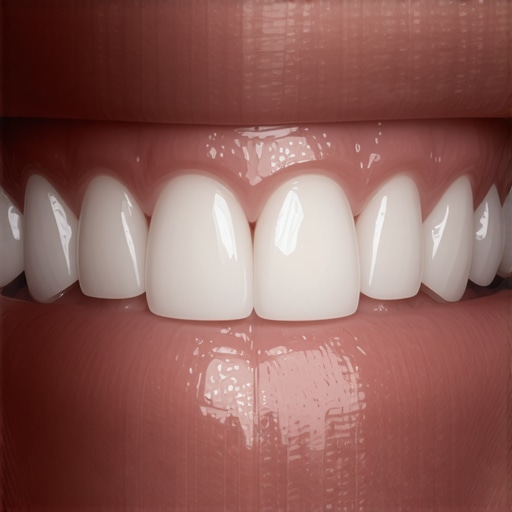
It happened unexpectedly—one day, I caught my reflection and noticed that my smile wasn’t as bright as it used to be. Instead, a dull, grayish tint had crept onto my teeth, making me self-conscious during conversations and smiles. At first, I brushed it off, thinking it was just staining from my coffee habit or aging. But over time, I realized this discoloration wasn’t going away, and it was wearing down my confidence. That lightbulb moment led me down a path of research, and let me tell you: understanding why your teeth turn gray is more important than you might think.
What Makes Teeth Turn Gray?
Facing the Reality of Gray Teeth
Many people don’t realize that teeth can change color for a variety of reasons—some related to lifestyle, others pointing to underlying health issues. When I first noticed my own teeth losing their sparkle, I assumed routine staining was the culprit. However, I learned that intrinsic causes, such as damaged enamel or old dental restorations, could be the real reason behind the gray hue. Recognizing the root cause is crucial because external stains—caused by coffee, tea, or smoking—are much easier to address than internal discoloration. If left unchecked, gray teeth can signal more serious problems, like enamel erosion or even decay.
One surprising fact I discovered is that exposure to certain medications as a child, especially tetracycline antibiotics, can lead to permanent discoloration. According to the American Academy of Cosmetic Dentistry, intrinsic stains can be resistant to regular whitening procedures and may require advanced dental treatments like crowns or veneers to restore your smile’s brightness. Understanding these nuances can save you from ineffective remedies and help you seek the right professional care.
Have you ever looked in the mirror and wondered if that grayish tint is just superficial staining or something more serious? If so, you’re not alone—and the good news is, solutions are within reach. But before jumping into treatments, it’s essential to identify the exact cause of your tooth discoloration. Sometimes, a simple visit to your family dentist can reveal underlying issues you might not suspect.
Let’s explore the common causes of teeth turning gray and how to determine what’s really going on when your smile isn’t as radiant as it once was.
Identify the Root Cause Clearly
Begin by assessing whether your gray discoloration stems from external stains or internal issues. Examine recent habits like coffee or smoking, or consider past medications that could have caused intrinsic staining. Schedule a professional examination where your dentist can perform tests or take X-rays to pinpoint the exact cause—this step is like diagnosing a car problem before fixing it.
Improve Oral Hygiene Rigorously
Establish a consistent brushing and flossing routine using fluoride toothpaste, and incorporate mouthwash as recommended by your dentist. This step removes superficial stains and prevents further buildup, much like cleaning a window to see the light better. An example from my experience was noticing a slight improvement after I upgraded my brushing technique, ensuring I hit all the nooks and crannies of my teeth.
Address External Stains with Professional Cleaning
Schedule professional dental cleanings every six months. The hygienist uses ultrasonic scalers that function like a pressure washer for your teeth, loosening and removing surface stains. A particular cleaning session significantly brightened my smile, making subsequent whitening procedures more effective.
Consider Whitening Treatments When Appropriate
If stains are predominantly extrinsic, whitening options like in-office bleaching or take-home kits could work effectively. For intrinsic discoloration, your dentist might suggest stronger interventions such as veneers or crowns. I once tried a whitening kit at home, but it was ineffective because my discoloration was internal—prompting me to consult a specialist for veneers, which drastically improved my smile.
Learn About Restorative Options for Deep Stains
Deeply ingrained or intrinsic stains may require advanced restorative procedures. Crowns, especially, are like sturdy caps that cover damaged teeth, restoring both appearance and function. Comparing crowns versus veneers reveals that crowns cover the entire tooth, protecting it fully—more suitable for severely discolored or compromised teeth. Check out this comparison between crowns and veneers to see which fits your situation best.
Opt for Durable Restorations for Long-Term Confidence
When selecting a restorative solution, consider the longevity and how well it withstands daily habits. A skilled family dentist can tailor your treatment plan, ensuring results are both natural-looking and durable. I learned that choosing an experienced specialist is crucial; read more at this guide on choosing the right crown expert.
Maintain Your Smile with Consistent Care
Post-treatment, maintain your results with diligent oral care. Regular check-ups prevent new stains and catch potential issues early. Think of it like routine tune-ups for your car—preventive care extends the life of your investment and keeps your smile shining bright.
Many people assume they understand these dental topics perfectly, but in reality, misconceptions and overlooked details can lead to suboptimal results. Let’s explore some of the most common pitfalls and nuances that even seasoned patients or professionals often miss.
Why Invisalign Isn’t Always the Best Fit for Everyone
While Invisalign is celebrated for its discreet approach, a widespread myth is that it’s suitable for all orthodontic issues. In truth, complex cases involving severe misalignment or bite problems might require traditional braces or other interventions. Dentists skilled in recent innovations emphasize that case selection is crucial—otherwise, you risk prolonged treatment time or subpar results. For an in-depth comparison, check out this article on modern Invisalign techniques.
Oral Hygiene: More Than Just Brushing
Contrary to popular belief, brushing alone doesn’t guarantee optimal oral health. Flossing, interdental cleaning, and even water flossers play significant roles in preventing gum disease and cavities. Overlooking these can cause plaque buildup that leads to inflammation and eventual bone loss. Moreover, many assume mouthwash compensates for inadequate brushing—yet, some mouthwashes contain alcohol or harsh ingredients that can damage sensitive tissues if overused. A recent study published in the Journal of Dental Research highlights the importance of comprehensive oral care routines rather than relying solely on brushing.
Family Dentistry: The Nuance of Continuous Care
Many think visiting the dentist only when there’s pain or visible issues suffices. However, regular check-ups serve as preventive measures, catching problems like early decay or developing occlusions before they escalate. Additionally, family dentists often integrate emerging technologies like digital X-rays and laser diagnostics that enhance early detection. A common mistake is neglecting children’s dental visits until permanent teeth erupt—this can be a trap leading to misaligned or carious teeth down the line. For guidance on maintaining your family’s oral health, explore top tips for family oral health.
Prosthetic Restorations: Crowns and Their Hidden Details
Many patients believe all crowns are equal, but subtle factors influence their longevity and integration. For instance, choosing between porcelain-fused-to-metal vs. all-ceramic crowns impacts durability and aesthetic outcomes. Also, properly fitting the crown is essential to prevent secondary decay or gum irritation. Oversights like poor margins can lead to bacteria ingress. Some dentists neglect the importance of skilled execution—check out this comprehensive guide on crown considerations for more insight.
What’s the Damage If You Overlook These Details?
Failing to recognize the nuances can result in increased costs, longer treatments, or compromised oral health. For example, choosing an inexperienced provider for crowns might save money upfront but lead to replacements or complications later. Similarly, misjudging your suitability for Invisalign can prolong orthodontic treatment unnecessarily. Ensuring you’re informed and working with qualified professionals is key to avoiding these pitfalls. Remember, ongoing research continuously refines best practices—so stay updated through trusted sources like relevant expert content.’],
How can I maintain my dental improvements over time?Investing in your oral health isn’t a one-and-done effort; it’s about equipping yourself with the right tools and adopting consistent habits to ensure lasting results. One of my personal favorites is the use of an ultrasonic oral cleaner. Unlike standard floss or brushes, ultrasonic devices, such as the Burst Sonic Tooth Cleaning Kit, emit high-frequency vibrations that loosen plaque and tartar in hard-to-reach areas, making daily maintenance more effective. I’ve noticed a significant reduction in plaque buildup since incorporating this into my routine, especially around crowns and veneers, which require gentle yet thorough cleaning.
Another invaluable tool is a water flosser, like the Waterpik? Water flossers utilize pulsating water jets to remove debris between teeth and along the gumline. For me, it’s particularly beneficial for cleaning around crowns and bridges, reducing the risk of bacterial ingress that can lead to decay or gum recession. They’re gentle on gums but incredibly efficient, and I recommend using them daily after brushing for optimal health.
In terms of software, advanced intraoral scanning apps such as 3Shape TRIOS have revolutionized the way we monitor dental restorations. These tools enable dentists to track the integrity of crowns and veneers over time, catching micro-fractures or wear before they become problematic. Personally, I request digital scans during my annual check-up, which helps my dentist tailor maintenance strategies or plan timely replacements—preserving both the function and aesthetics of my restorations.
Looking ahead, the trend is leaning toward integrating AI-driven diagnostics with these devices to predict potential failures before they occur, moving from reactive to proactive maintenance. This future-oriented approach could save you $$$ and discomfort by addressing issues early.
For anyone with crowns, veneers, or orthodontic devices like Invisalign, regular maintenance is vital. Remember, even high-quality restorations don’t last forever—they require diligent care, periodic professional assessments, and the right tools. To enhance your long-term success, I highly suggest trying a combination of ultrasonic cleaning and water flossing daily. These methods are supported by studies like the one in the Journal of Clinical Dentistry, which emphasizes their effectiveness in maintaining oral health around restorations.
Visit our contact page for personalized advice or to schedule a comprehensive evaluation. And don’t forget—keeping your oral health on track is a continuous journey; using the right tools and habits ensures your smile stays confident and healthy for years to come. For more tips on maintaining restorations and oral health, explore our family dentistry resources, and stay ahead of potential issues by embracing emerging technologies in dental care.
What No One Told Me About Restorative Dentistry
During my journey to reclaim my smile, I realized that many misconceptions, like believing crowns last forever or that professional cleanings are optional, can lead to setbacks. The biggest lesson was understanding that every restoration needs proper care and regular check-ups—skip them, and you risk losing both time and money. This insight saved me from unnecessary procedures and helped me prioritize ongoing maintenance, making my smile truly durable.
The Surprising Power of Small Habits
Simple daily routines, like ultrasonic cleaning and water flossing, have a profound impact on preserving dental work. I discovered that integrating these tools into my routine prevented plaque buildup around crowns and veneers, extending their lifespan. It’s the little changes—consistent habits—that truly protect your investment in your smile, and I encourage you to incorporate them for long-term confidence.
What I Wish I Knew Before Choosing a Dentist
My biggest lightbulb moment was recognizing the importance of working with a specialist experienced in restorative procedures. Finding an expert, like those discussed in this resource, made all the difference. Their technique, attention to detail, and understanding of modern materials helped me avoid costly mistakes and achieved natural-looking, durable results I can trust.
Resources That Elevated My Dental Confidence
Over the years, I relied on tools and guides that truly made a difference. For instance, the comprehensive guides on crowns and veneers, like this one, demystified the process and aligned my expectations. Additionally, trusted updates from leading experts kept me informed about new options, helping me make choices that fit my lifestyle.
Remember: Your Smile is a Long-Term Investment
The journey to a healthy, radiant smile isn’t a quick fix—it’s a continuous commitment. By understanding the nuances of restorative care, embracing small habits, and partnering with qualified professionals, you can ensure lasting confidence. Think of your smile as a garden—it requires regular tending, nourishment, and care to thrive. Now, take that first step and prioritize your oral health today. Your future self will thank you for it. Want to share your experience or ask about specific treatments? Drop your thoughts below—let’s keep the conversation going!”}#}#}n{