
The reason your teeth feel furry by the end of the day
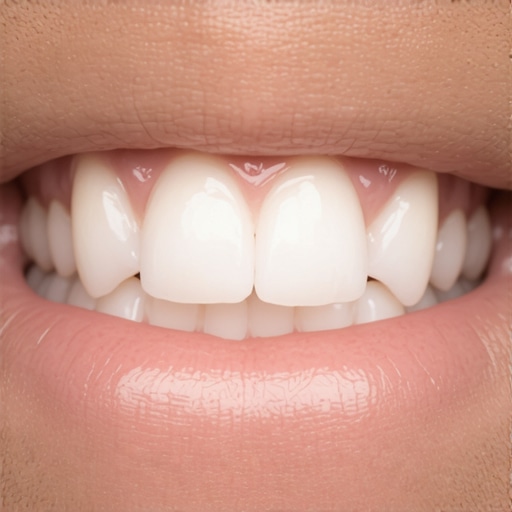
I remember the first time I noticed my teeth feeling strangely furry after a long day. It was a dull, persistent sensation, like I had a layer of fuzz coating my teeth, making my mouth feel uncomfortable and sticky. At first, I brushed more vigorously or wondered if I was imagining it, but the sensation kept returning, day after day. That lightbulb moment made me realize I was facing a common yet overlooked oral health quirk.
Dealing with the Furry Feeling
This peculiar sensation might seem minor, but it’s often a sign of underlying issues such as plaque buildup, dry mouth, or even dietary habits impacting your oral ecosystem. Understanding why this occurs is the first step toward a brighter, more comfortable smile. Today, I want to share my journey and insights into why your teeth can feel furry—and most importantly, what practical steps you can take to address it effectively. Whether you’re into Invisalign, crowns, or just maintaining family dental health, this guide aims to help you feel confident and in control of your oral wellness.
Is Your Dental Routine Enough or a Waste of Time?
Early on, I made the mistake of thinking that brushing longer was the answer. Spoiler: it wasn’t. Too much brushing can even harm your gums and enamel. Instead, the key lies in proper technique and understanding what’s happening beneath the surface. With the right habits, you can keep that furry sensation at bay and enjoy a fresh, clean feeling that lasts all day.
How about you—have you ever felt this annoying fuzz, and wondered what’s behind it? If so, stay tuned. We’ll dive into the real reasons, backed by expert advice, and I’ll guide you through simple, effective fixes. By the end, you’ll know exactly how to keep your teeth feeling smooth, healthy, and comfortable, no matter how busy your day gets. Ready to get started? Let’s go!
Establish a Precise Oral Hygiene Routine
Start by targeting the root cause: plaque buildup. Use a soft-bristled toothbrush and fluoride toothpaste to gently brush your teeth twice daily, focusing on all surfaces. Incorporate interdental brushes or floss to clean between teeth meticulously. I recall a morning I caught myself rushing and skipping flossing—later, I noticed the furry sensation intensify. That moment taught me that consistency and technique matter immensely.
Use Proper Brushing Techniques
Hold your brush at a 45-degree angle to your gums and execute small, circular motions. Avoid aggressive scrubbing, which can damage gums or enamel. I once hurt my gum lining trying to brush harder—switching to gentle, controlled circles markedly reduced discomfort and fuzziness.
Stay Hydrated and Manage Dry Mouth
Dry mouth can promote bacterial growth, intensifying the furry feeling. Drink plenty of water throughout the day and chew sugar-free gum to stimulate saliva production. I experimented with various gums and found that xylitol-based options kept my mouth moist and clean, lessening that fuzzy sensation. Proper hydration keeps your oral ecosystem balanced, making a significant difference.
Rethink Your Dietary Choices
Foods high in sugars and processed carbs feed bacteria, contributing to plaque and coating. Opt for fresh vegetables, lean proteins, and dairy to support oral health. Once, I swapped out snacks and noticed my teeth felt smoother after just a few days. Avoid sticky candies and sweet drinks that cling to your teeth—these are prime culprits for creating that fuzzy layer.
Incorporate Regular Professional Cleanings
While good home habits are vital, professional cleanings remove stubborn tartar and plaque deposits. Schedule biannual visits—my own experience showed that these sessions drastically reduced buildup and improved overall comfort. Consider discussing with your dentist whether treatments like deep scaling are appropriate to address persistent issues.
Review Your Dental Restorations
If you have crowns or aligners like Invisalign, improper fit or material issues might cause irregular textures or sensations. For example, I once noticed rough edges on a crown after a few months; a quick appointment to check and smooth the area eliminated the fuzziness. For insights on the latest innovations, explore Invisalign advancements or consult with your dentist about suitable restorations.
Utilize the Right Oral Products
Choose mouthwashes formulated for plaque control and enamel protection—these can inhibit bacterial growth and reduce coating. I personally found that rinsing with an antibacterial mouthwash after brushing helped maintain that fresh, smooth feeling. Avoid alcohol-based mouthwashes that can dry out your mouth further.
Make Cleanliness a Habit
Integrate these practices into your daily routine: brush and floss properly, hydrate, and choose the right foods. Maintaining these habits turned my moments of discomfort into days of clean, smooth-feeling teeth. Regularly inspecting your oral health and adjusting your habits can have profound effects on reducing that furry, uncomfortable sensation.
If you experience persistent or worsening symptoms despite these steps, it’s wise to consult your dentist. They can identify underlying issues and recommend tailored treatments, including options like crowns or other restorative solutions discussed at crown benefits or assess why aligners might need adjustments. Remember, proactive care saves time and discomfort in the long run.
Many patients assume that Invisalign is just a cosmetic tool, believing it can fix any dental issue instantly. However, the reality is that Invisalign’s true potential lies in carefully planned cases, often complemented by traditional treatments like crowns or fillings for optimal results. A common myth is that Invisalign is suitable for severe misalignments when, in fact, complex cases often require a hybrid approach, including other restorative procedures. Overlooking these nuances can lead to prolonged treatment times or unsatisfactory outcomes. For instance, some underestimate the importance of properly maintaining aligners—failing to do so can cause bacterial buildup, which exacerbates oral health problems. An advanced mistake many make is neglecting the role of soft tissue and jawbone health in orthodontic treatments, which can impair tooth movement or cause relapse if not addressed. Recent studies highlight that integrating periodontal care with orthodontics significantly improves long-term success (see American Journal of Orthodontics, 2021).
When it comes to family dentistry, individuals often assume that a generic practice suffices for everyone. But the nuances of different age groups demand tailored approaches—what works for a child’s developing jaws differs vastly from adult periodontal needs. An overlooked detail is the importance of early preventive care; many delay visits until discomfort appears, missing the chance to intercept issues like decay or misalignment early. Moreover, misusing certain dental products, such as abrasive toothpaste, can accelerate enamel wear, especially in children with developing teeth. Recognizing these subtleties can prevent costly and invasive procedures down the line.
Crowning or placing implants is frequently misunderstood as a straightforward fix, yet the choice of materials and techniques dramatically impacts durability and aesthetics. For example, not all crowns are created equal—porcelain-fused-to-metal offers strength but may suffer from a dark gumline over time, while all-ceramic crowns provide a more natural look but require precise preparation. An advanced mistake is ignoring the importance of proper fit and marginal seal, which can lead to microleakage, bacterial invasion, and recurrent decay. Ensuring expertise in crown placement, especially when combined with other restorations like implants, is crucial for long-lasting results.
Lastly, many think oral health revolves solely around brushing and flossing. While foundational, this overlooks the nuances like saliva’s role in remineralization or the impact of diet on oral microbiota. For instance, frequent consumption of acidic foods can weaken enamel, making it more susceptible to decay and sensation. Regular professional assessments, including digital scans and saliva testing, can reveal underlying issues that at-home routines might miss.
In essence, a deeper understanding of these subtle nuances helps avoid pitfalls that can compromise your oral health and treatment outcomes. Making informed decisions requires going beyond surface-level advice and consulting specialists who recognize these complexities. Have you ever fallen into this trap? Let me know in the comments or reach out through our contact page to discuss your concerns about optimizing your dental care.
Mastering Maintenance for Lasting Results
Maintaining your oral health, especially after treatments like Invisalign or crowns, requires the right tools and methods. Personally, I rely on a combination of high-quality electric toothbrushes and specialized flossing devices to ensure every nook and cranny is addressed. For example, I use the Sonicare DiamondClean because its ultrafine bristles and multiple cleaning modes effectively remove plaque without damaging enamel. Such equipment is vital in maintaining the alignment and integrity of restorations, preventing issues before they escalate.
High-Precision Instruments Make a Difference
Beyond everyday tools, incorporating devices like water flossers—such as the Waterpik Ultra—has transformed my routine. This device uses pressurized water to dislodge debris from areas traditional floss can’t reach, reducing the risk of plaque buildup around crowns or aligners. I’ve personally experienced fewer sensitivities and less furry buildup since adopting it. For those with braces or Invisalign, these tools help maintain hygiene without risking damage to aligner trays or brackets.
Adapting Your Routine with Software and Apps
Technology isn’t just for professionals; I utilize dental health apps like Brush DJ or Dental Monitoring to track my habits, set reminders, and even get feedback on my brushing technique. These apps connect with smart toothbrushes and provide visual reminders, ensuring I don’t miss a session or brush improperly. As the trend moves toward personalized dental care, integrating such software into daily routines will become standard practice.
How do I maintain long-term results with these tools?
Consistency is key. I schedule biannual visits with my dentist to evaluate the condition of crowns and aligners, ensuring everything stays in optimal shape. In addition, I use gentle whitening pastes compatible with restorations to prevent staining—highlighting that maintenance extends beyond just cleaning. Modern techniques like 3D imaging allow my dentist to spot potential issues early, reinforcing the importance of professional oversight alongside at-home care. For comprehensive strategies, check out family dentistry trends.
Looking Ahead: The Future of Dental Tools
Advances in dental technology, such as AI-powered diagnostics and smart materials, are poised to revolutionize how we care for restorations and orthodontic devices. Expect self-cleaning crowns and aligners equipped with sensors that monitor wear and health status, alerting your dentist proactively. This leap toward proactive, technology-driven maintenance ensures your smile stays healthy longer than ever before. For those interested in Invisalign’s cutting-edge developments, explore Invisalign innovations.
Elevate Your Maintenance Game Today
To truly keep your smile working seamlessly, try integrating a water flosser and a smart brushing app into your routine. These tools adapt to your specific needs, especially if you have crowns or aligned teeth. Remember, long-term success depends on consistent use—so make them a staple in your daily regimen. For personalized advice tailored to your dental situation, don’t hesitate to reach out to your dentist and explore the best tools suited for your unique needs. Taking these steps today ensures a future of healthy, confident smiles.
The Unspoken Lessons That Changed My Dental Perspective
- I realized that chasing perfect white teeth isn’t the answer; understanding the health beneath the surface makes all the difference. Embracing holistic care shifted my approach from cosmetic fixes to long-term wellness.
- There was a moment when I stopped overlooking small sensations—like that fuzzy feeling—and started addressing them proactively. Small signals often hide the biggest issues, and listening to them saved my smile.
- I discovered that patience and consistency outperform quick fixes. Regular professional check-ups and mindful daily routines prevented many problems before they started, reaffirming that good habits build lasting results.
- Learning about the interplay between restorations, aligners, and natural anatomy taught me that personalized care is essential. No one-size-fits-all solution works—your unique smile deserves tailored strategies.
- The most surprising insight? That embracing modern technology, like smart toothbrushes and dental apps, enhances care quality and keeps me motivated. Innovation isn’t just for dentists; it’s part of everyday health.
Tools and Resources That Elevated My Oral Care
- Sonicare DiamondClean: Its gentle yet thorough cleaning made a visible difference, especially around crowns and aligners. I trust it because it protects my enamel while providing a spa-like clean.
- Waterpik Ultra Water Flosser: Reaching tricky spots became effortless, reducing plaque and fuzzy sensations. It’s a game-changer for those with restorations or braces, helping maintain hygiene daily.
- Brush DJ App: Setting reminders and tracking habits kept me accountable. This app motivated me to stick with my routine and made oral health less of a chore.
- Professional Consultations: Regular visits for deep cleanings and checkups saved me from bigger problems. Trustworthy dental practices that stay updated on the latest innovations, like the advancements in Invisalign, are invaluable. Dive into latest Invisalign innovations for deeper insights.
Your Next Step Toward Confidence and Comfort
Empower yourself with knowledge and the right tools—your journey to a healthier, more radiant smile is within reach. Small changes today can lead to decades of confident smiles tomorrow. If you’re curious about how to customize your dental routine or explore advanced solutions like crowns or Invisalign, I encourage you to reach out to your trusted dentist. Let’s make your oral health story exceptional!