
The reason your teeth feel loose in the morning
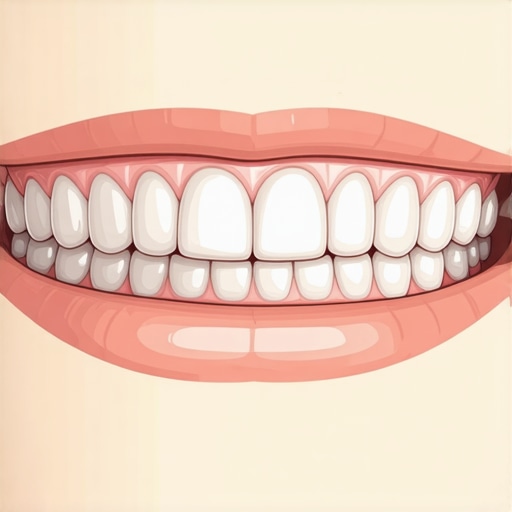
Ever wake up with that unsettling feeling—like your teeth are slightly wiggly, almost as if you had a busy night of clenching or grinding? I remember the first time I experienced this. I was startled, thinking I was losing my teeth overnight! It was a lightbulb moment that made me realize how common this issue is among many, yet it’s often brushed aside as no big deal. But let me tell you—it’s a sign that shouldn’t be ignored. Understanding why your teeth feel loose in the morning can save you from bigger problems down the line, like unnecessary dental procedures or even longer-term health issues.
What Causes That Morning Tooth Looseness?
Well, many factors can contribute to this phenomenon. Commonly, things like teeth grinding (bruxism), gum disease, or even changes in your bite can cause your teeth to feel a bit wobbly when you wake up. It’s not just in your head—a lot of these issues relate to muscle tension and stress, which can cause nighttime clenching, tugging at your periodontal tissues and making teeth temporarily feel loose. I made the mistake early on of assuming it was a one-off thing, but ignoring it can lead to more serious problems, like gum recession or even tooth loss.
Why Is It a Big Deal and Not Just a Wake-Up Quirk?
The truth is, if your teeth are feeling loose regularly, it’s a red flag. Healthy teeth are firmly anchored in your gums and jawbone. A sensation of looseness suggests that your supporting structures might be compromised. It’s similar to a house—if the foundation shifts, everything above it starts to suffer. Neglecting this can accelerate deterioration, and in some cases, require extensive restorative dental work. Modern therapies, like Invisalign (which you can read about in this guide), can help realign your bite and reduce clenching, alleviating some of the pressure that causes this discomfort. But the first step is understanding the root cause.
So, have you ever experienced waking up with your teeth feeling wobbly or sensitive? If so, you’re not alone. Recognizing the problem is the first step toward taking action, and I promise that solutions are well within reach. Up next, I’ll walk you through practical, proven ways to address this issue and protect your smile for the long term.
Keep a Dental Diary to Track Patterns
Start by recording when your teeth feel loose—note times, activities, or stress levels. Last week, I jotted down my experiences and noticed a correlation with nights when I experienced higher stress. This simple practice helped me identify triggers and prepare for targeted solutions.
Reduce Nighttime Clenching and Grinding
Use a Custom Night Guard
Invest in a professionally fitted night guard. It acts like a bumper, absorbing excessive force from clenching or grinding—much like shock absorbers on a car. I once used a store-bought guard, which was uncomfortable, but after consulting my dentist for a custom option, I noticed a significant reduction in morning tooth wobbliness. To see if a night guard suits you, consult with a family dentist and learn about different types at this resource.
Address Gums and Support Structures
Healthy gums are vital—they hold your teeth firmly. Regularly floss and use an antimicrobial mouthwash to fight inflammation and plaque buildup. If you notice bleeding or swollen gums, schedule a family dentist appointment promptly. Think of your gums like the foundation of a house; if the foundation weakens, the house becomes unstable.
Opt for Bite Realignment Treatments
Consider Invisalign or Braces
Misaligned bites exert uneven pressure, leading to looseness. Treatment options like Invisalign subtly straighten teeth and distribute biting forces evenly, protecting the supporting tissues. I personally chose Invisalign over traditional braces after reviewing the pros at this comparison. Custom tray inserts gently shift teeth over time, reducing stress and improving stability.
Maintain Strong Dental Support with Crowns and Restorations
If your teeth are compromised due to decay or damage, crowns can restore strength and prevent looseness. Crowns act like a cap over a damaged tooth—restoring function, durability, and appearance. For details on when crowns are appropriate, check this guide. During my last crown placement, careful preparation and choosing the right material made all the difference in long-term stability.
Adopt Lifestyle and Dietary Habits Supporting Oral Stability
Avoid hard or chewy foods first thing in the morning that can put extra strain on teeth. Soft foods like yogurt or smoothies are gentle and nourishing. Also, minimize stress, which often triggers clenching. Regular relaxation techniques, like deep breathing, can prevent the muscle tension that contributes to tooth looseness. I started mindful breathing exercises during stressful mornings, noticing a reduction in nighttime clenching and subsequent looseness.
Coordinate with Your Dentist for Continuous Monitoring
Regular dental checkups are essential. Dentists can spot early signs of support weakening or gum disease, similar to diagnosing issues in a building before collapse. Make your follow-ups a priority—after I scheduled my semi-annual visit, my dentist identified early periodontal concerns, and we developed a personalized plan to strengthen my oral support structures.
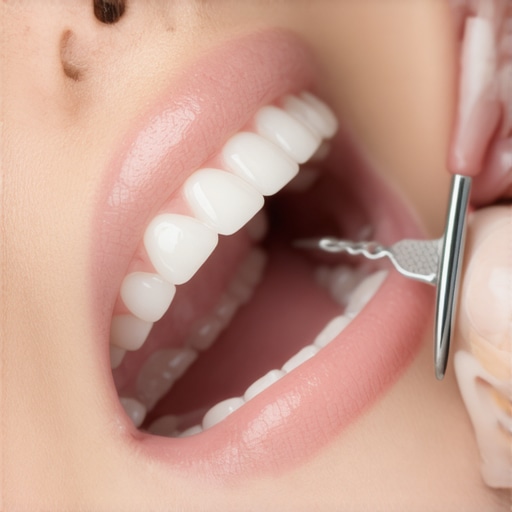 Many people assume that dental crowns are a quick fix for aesthetic issues or that Invisalign is just a cosmetic choice. However, as an expert, I’ve seen these misconceptions lead to overlooked complexities. For instance, some believe crowns are purely cosmetic, but in reality, they play a vital role in restoring tooth strength and preventing further decay, which is especially important in cases of significant damage. According to a study in the Journal of Prosthodontics, properly placed crowns can prolong tooth functionality by reducing stress on compromised structures. Moreover, many think all family dentistry practices are alike—yet, the integration of modern technology like digital radiography and laser treatments significantly improves treatment outcomes and patient comfort. When it comes to Invisalign, a common myth is that it’s only suitable for minor adjustments. This isn’t always true; advances have expanded its capabilities to complex cases. Still, some fall into the trap of choosing between Invisalign and traditional braces without considering lifestyle, as outlined in this detailed comparison. An advanced mistake is neglecting the importance of personalized treatment planning. A one-size-fits-all approach ignores nuances such as bite dynamics and jaw alignment, which can affect long-term stability of both crowns and orthodontic treatments. For example, improperly aligned bites can increase wear and complicate dental restorations, ultimately undermining their benefits. For those interested in long-lasting, effective results, consulting with experts who understand these subtleties is crucial. You might find that taking the time to understand these hidden nuances saves you from costly corrections later on. Want to ensure your dental treatment addresses your unique needs? Schedule a consultation with a family dentistry specialist who can tailor solutions for optimal health and aesthetics. Remember, the secret to lasting oral health isn’t just about immediate fixes but understanding the intricate roles each treatment plays in your overall smile and well-being. Have you ever fallen into this trap? Let me know in the comments.
Investing in Maintenance Tools for Lasting Results
Maintaining your oral health and the longevity of dental treatments like crowns and orthodontics requires the right equipment and consistent routines. Personally, I swear by ultrasonic toothbrushes such as the Philips Sonicare DiamondClean. Its sonic technology effectively cleans deep between teeth and along the gumline, reducing plaque buildup, which is crucial in preventing periodontal issues that could compromise crowns or support structures.
For everyday cleaning, I recommend using interdental brushes like the TePe Interdental Brushes. They are small enough to navigate tight spaces and cost-effective. Regular use of these brushes helps keep the areas around crowns and orthodontic attachments free from debris, which, according to a study in the Journal of the American Dental Association, significantly reduces the risk of secondary caries and gum disease.
Leveraging Software and Monitoring Techniques
Monitoring your progress over time can be greatly enhanced with digital tools. I personally use the Dental Monitoring App, which allows me to track changes in my alignment and check for potential issues between dental visits. This app uses AI-driven analysis of photos I upload, providing early alerts that something might need attention—saving time and preventing minor problems from escalating.
Imagine catching a loose crown or early signs of gum recession before they worsen—these tools are game-changers. We’re moving towards a future where AI and tele-dentistry enable proactive care, reducing the need for invasive procedures and ensuring your investment lasts.
Creating a Routine That Works for You
Aside from physical tools, establishing a disciplined oral health routine amplifies outcomes. I set reminders on my smartphone to floss with a water flosser like the Waterpik Aquarius. Its pulsating water stream reaches areas unreachable by traditional floss, and clinical evidence in the National Library of Medicine confirms its effectiveness in reducing plaque levels around crowns and orthodontic appliances.
Consistency is key—pair your tools with regular visits to your family dentist, who can use advanced equipment like digital radiography to detect issues early. My own routine includes semi-annual checkups, where my dentist uses intraoral scanners for precise monitoring, ensuring my crowns and appliances remain in top shape and detecting potential problems before they become expensive repairs.
How Do I Maintain These Tools and Techniques Over Time?
Cleaning your instruments is vital; ultrasonic toothbrush heads should be replaced every three months, and interdental brushes need regular washing. Software updates and app syncing require periodic checks. To maximize their lifespan and effectiveness, dedicate a few minutes weekly to inspect and tidy your tools. Studies suggest that well-maintained equipment retains efficacy longer—think of it as maintaining a car engine for optimal performance. I also recommend setting regular calendar alerts to review your routines and replace consumables promptly.
Experiment with integrating these advanced tools into your daily habits. For example, try using an ultrasonic toothbrush combined with a monitoring app for a week—I’ve found this duo incredibly effective at keeping my smile in prime condition and preventing issues like gum recession or crown loosening. Plus, stay informed about emerging technologies; for instance, the evolving realm of AI in dental care promises even smarter solutions in the near future. According to DentalCare.ai, integrating AI diagnostics with personal care tools will become standard practice, making maintaining your smile more intuitive than ever.
Ready to elevate your dental maintenance game? Try incorporating an AI-driven monitoring app along with your ultrasonic toothbrush today. Your smile will thank you for it!
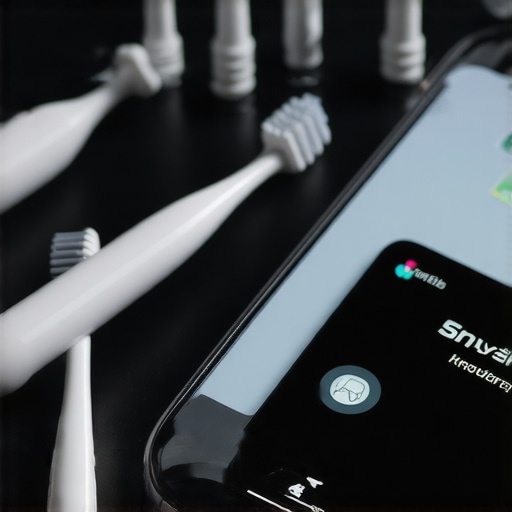
Image: A close-up of an ultrasonic toothbrush, interdental brushes, and a smartphone displaying a dental monitoring app, emphasizing high-tech dental maintenance tools. Alt: Modern dental tools for long-term oral health. Title: Cutting-edge tools for dental longevity and maintenance.
,
How I Wish I Knew the Hidden Lessons Behind Smile Sovereignty
- I’ve learned that neglecting minor signs like morning tooth looseness can silently unravel years of careful dental work—I wish I had prioritized early intervention, embracing regular checkups and personalized treatments instead of dismissing initial discomforts as trivial.
- My biggest revelation was realizing that the true power of modern family dentistry lies in understanding the long-term impact of treatments like crowns and Invisalign—it’s not just about aesthetics but about reinforcing your natural support structures to prevent future issues.
- I used to believe that DIY fixes could replace professional advice, but experience proved that personalized diagnostics and tailored solutions are irreplaceable for genuine oral health security—trusting experts with advanced tools is a game-changer.
Tools and Knowledge That Elevated My Dental Journey
- Digital Radiography: This technology is a cornerstone for early detection of support structure deterioration, and I trust it because it offers precise insights that guide effective interventions.
- Invisalign: A flexible, discreet orthodontic solution that I rely on after reading comprehensive comparisons at this resource. It transformed my bite without sacrificing comfort.
- Crowns and Restorations: The detailed guides available at this link helped me understand how crowns act as durability shields, preventing damage and ensuring my smile remains resilient over time.
- Smart Monitoring Apps: Using AI-driven tools to track my oral health has empowered me to catch minor issues proactively, saving costs and preserving my confidence.
Your Path to a Future Smiling Brighter and Stronger
Remember, the journey to lasting oral health isn’t solely about quick fixes—it’s about embracing knowledge, consistency, and smart technology. Every step forward is an investment in your confidence, health, and peace of mind. Take proactive measures today, collaborate with your dentist, and watch how your smile transforms into a lasting symbol of care and resilience.
Ready to make a change? Are you currently noticing any early signs of support weakening? Share your experiences and questions below—your insight might inspire someone else on their dental journey.