
The reason your teeth look gray in overhead lighting
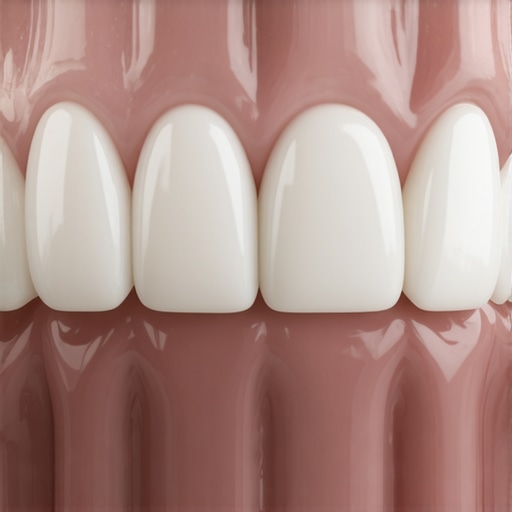
I remember the exact moment I realized my smile wasn’t as bright as I thought it was—standing in my bathroom, flicking on the overhead light, and suddenly feeling like I was staring at someone else’s dull, grayish teeth. It was a little jarring, honestly. Those harsh, unforgiving lights revealed every flaw, and my once-prized bright smile looked more like a shadow of its former self. That lightbulb moment made me wonder: why do my teeth look so dull and gray under certain lighting? And more importantly, what can I do about it?
Shedding Light on Dental Colors: What’s Really Happening
The truth is, the way our teeth appear isn’t just about their actual shade but also how light interacts with their surface and composition. Overhead lighting, especially fluorescents or LED lights, can cast a cool, unflattering glow that makes teeth look dull, gray, or even yellowed, even if they’re quite healthy and white in natural daylight. This optical illusion occurs because these lights emphasize the translucency and texture of enamel, revealing underlying structures and any surface imperfections.
A common mistake I made early on was assuming my teeth were darker than they actually were. I didn’t realize that lighting could distort the true shade and that real color correction was often more about surface health and enamel brightness than just whitening treatments. Understanding this has helped me focus more on dental health and less on every mirror reflection.
Interestingly, recent research shows that our perception of tooth color can vary significantly under different lighting conditions—sometimes by as much as two shades! (Source: Journal of Prosthetic Dentistry). This variation is why many folks are surprised when they see their teeth in natural light versus bathroom lighting.
Are you tired of feeling self-conscious about your smile under certain lights? Do you notice your teeth look duller in those overhead fixtures at work or in your home? If so, you’re not alone. Many people experience this optical illusion, but the good news is—there are effective ways to address it. In the next sections, I’ll share tips and tricks to help you achieve a brighter, more confident smile that doesn’t get lost in the spotlight. Want to explore the best ways to brighten your teeth effectively? Check out this guide on how crowns and veneers can enhance your smile in both health and appearance [here](https://familydentistpro.com/the-ultimate-guide-to-crowns-for-a-healthier-smile). Now, let’s dive into what you can do today to minimize this grayish hue and let your teeth truly shine.
Master the Basics of Proper Oral Care
My first step was switching to a high-quality, fluoride-rich toothpaste and establishing a consistent brushing routine—morning and night. During my experience, I timed my brushing to last exactly two minutes, ensuring thorough cleaning without overdoing it. Regular flossing became a non-negotiable, preventing plaque buildup that dulls enamel.
Use the Right Tools and Techniques
I replaced my old manual toothbrush with an electric one, which provided consistent brush strokes, reducing plaque more effectively. When brushing, I used gentle circular motions rather than harsh scrubbing, which can wear down enamel over time. Incorporating an antiseptic mouthwash helped reduce bacteria and freshen my breath, making my smile appear brighter.
Target Surface Stains with Professional Cleanings
I scheduled a professional cleaning with my dentist every six months. During these visits, a hygienist used ultrasonic scalers to remove tartar and surface stains, instantly brightening my smile. After my appointment, I noticed my teeth looked noticeably whiter—not because of whitening products, but due to removing built-up debris that dulls natural enamel.
Addressing Deeper Discoloration with Whitening Options
For stubborn stains, I explored at-home whitening kits recommended by my dentist. These provided a controlled bleaching process, giving my teeth a visibly whiter appearance. Be cautious to follow instructions precisely to prevent sensitivity or damage. If you prefer an expert approach, consider in-office whitening for immediate results [here](https://familydentistpro.com/transform-your-smile-how-crowns-boost-oral-health-confidence-at-815-am).
Enhance Your Smile with Restorative Solutions
Sometimes, surface cleaning isn’t enough. I visited a family dentistry specialist who evaluated the health of my enamel and detected early signs of decay. They suggested establishing a protective layer with dental crowns or veneers, which not only shield vulnerable teeth but also improve aesthetic appeal. These options act like a shield, reflecting light better and making your smile look more luminous.
Opt for Crowns or Veneers Based on Your Needs
After a thorough consultation, I learned that crowns are perfect for restoring severely damaged teeth, providing strength and a natural appearance [learn more about crowns](https://familydentistpro.com/why-crowns-are-a-game-changer-in-restorative-dentistry). Veneers are ideal for correcting surface imperfections, offering a quick cosmetic boost. Choosing between them depends on your specific concerns—and a trusted dentist can help guide that decision.
Adopt Lifestyle Habits Supporting Brightness
Reducing stain-causing foods and beverages was my next move. I limited coffee, red wine, and dark-colored teas—substituting with lighter alternatives when possible. Drinking through a straw helped minimize contact with teeth, decreasing staining risk. I also avoided smoking, which dramatically stains teeth and dulls enamel over time.
Maintain Consistency and Follow Up
Maintaining a bright smile isn’t a one-time effort. I set reminders for regular dental check-ups and cleanings [here](https://familydentistpro.com/contact-us-2) to keep my teeth in top condition. Using whitening toothpaste occasionally helps maintain brightness, but never rely solely on over-the-counter products—consult your dentist for personalized advice and professional treatments.
Advanced Techniques for a Radiant Smile
Furthermore, options like Invisalign can improve overall dental alignment, making your teeth not only brighter but also healthier and easier to clean. When teeth are properly aligned, staining and plaque accumulation are minimized, leading to a naturally brighter smile [here](https://familydentistpro.com/invisalign-innovations-the-future-of-family-dentistry-revealed-at-1137-am). For persistent discolorations, composite bonding could be an option—think of it as a way to patch and brighten worn or chipped teeth with durable materials that mimic natural enamel.
Stay Vigilant and Seek Expert Guidance
Ultimately, achieving and maintaining a brighter smile involves ongoing effort and professional support. Regular check-ins with your dentist ensure you stay on track and catch issues early. Remember, real results come from a combination of good habits, professional treatments, and a healthy lifestyle.
Many individuals believe they fully understand their oral health, but in reality, there are subtle nuances and common misconceptions that can undermine their efforts. Let’s dig deeper into some of the most overlooked truths about crowns, family dentistry, and Invisalign that even experienced patients often miss.
First, a prevailing myth is that crowns are solely for cosmetic improvement. In truth, many assume crowns are only about aesthetics, but they also serve a vital restorative function—protecting weakened teeth from further decay and fractures. Choosing the right type of crown, such as porcelain-fused-to-metal versus all-ceramic, depends on both functional needs and aesthetic goals. An informed choice here can significantly enhance long-term oral health. For comprehensive insights, explore why crowns are a game-changer.
Secondly, there’s a common misunderstanding that family dentistry only involves routine cleanings and fillings. Actually, modern family dental practices incorporate advanced technology like 3D imaging and laser dentistry, which allow for less invasive diagnoses and treatments. Moreover, many overlook the importance of early interventions—especially for children’s developing teeth—which can set the foundation for healthier adult smiles. Staying updated with latest trends in family dentistry can empower proactive care.
Moving to Invisalign, many patients believe it’s primarily a cosmetic alternative to braces. While it does straighten teeth effectively, the nuanced advantage lies in its ability to improve overall dental health by aligning bite structures, reducing wear and tear, and facilitating better oral hygiene. An often-missed point is that improper use—such as inconsistent wear or neglecting attachments—can compromise results. Advanced users understand that pairing Invisalign with regular check-ups ensures optimal outcomes. For insights into this, see the future of Invisalign in family dentistry.
Here’s a critical trap to avoid: many underestimate the significance of personalized treatment planning. Every bite, enamel composition, and even saliva pH is unique. Assuming a one-size-fits-all approach can lead to ineffective or even harmful results. For instance, using over-the-counter whitening without professional guidance can cause sensitivity or uneven shades, especially in teeth with underlying restorations. Always consult with an experienced dentist who can tailor solutions like whitening, crowns, or orthodontics to your specific needs.
What about the advanced question—how do subtle bite issues impact long-term dental health? Even minor misalignments can cause uneven wear, temporomandibular joint problems, and stress on restorations like crowns or implants. This underscores the importance of comprehensive evaluation during family dentistry visits. Prioritizing early detection of such nuances can save you from costly and uncomfortable corrections later. Check out how Invisalign can address complex bite issues for more.
Remember, staying informed about these hidden nuances not only enhances your dental health but also helps you make smarter choices. If you’ve ever fallen into these common traps or overlooked these critical details, let me know in the comments. Your proactive approach can inspire others to take their dental care seriously.Maintaining your dental work like crowns, veneers, or Invisalign trays requires a combination of the right tools and disciplined habits. One of my top recommendations is a high-quality electric toothbrush, such as the Philips Sonicare DiamondClean. I personally use it because its sonic technology produces over 31,000 brush strokes per minute, effectively removing plaque and surface stains without damaging enamel. This level of precision ensures my restorations stay smooth, shiny, and properly bonded over time. Additionally, I incorporate interdental brushes designed specifically for crowns and bridges—these tiny tools help clean hard-to-reach areas that conventional floss might miss, preventing decay around restorations. For disinfecting Invisalign trays, I rely on a specially formulated retainer cleaner, like Retainer Brite, which effectively eliminates buildup and odor, extending tray life and hygiene. The future of long-term dental care points toward integrated digital tools, such as smartphone apps that remind you about routine cleaning schedules and help track your oral health progress. Prediction courses suggest that AI-driven oral health monitoring could become mainstream, providing personalized advice and early warnings for issues before they escalate.
How do I maintain my dental restorations and aligners effectively over time?
Establishing a daily routine with these precise tools minimizes the risk of staining, plaque accumulation, and damage. Regular professional check-ins are also essential; scheduling appointments at least twice a year with your dentist ensures any emerging problems are addressed early [here](https://familydentistpro.com/contact-us-2). Remember, combining advanced equipment with consistent habits will significantly prolong the lifespan of your dental work and keep your smile looking its best. Don’t hesitate—try incorporating a sonic toothbrush into your daily routine today and notice the difference in your long-term oral health.
What No One Tells You About Your Smile Transformation
My biggest lesson was realizing that a genuinely bright smile isn’t just about whitening products—it’s about understanding your unique dental landscape and embracing personalized care. I once believed that brushing harder would make my teeth whiter, but I learned that gentle, consistent brushing with the right tools makes a real difference—and saves your enamel from unnecessary damage. Another eye-opener was discovering how embracing advanced restorative options like crowns and veneers can not only improve aesthetics but also reinforce dental health in profound ways. The stories I heard from experts, especially about early intervention for misalignments, changed my entire approach to dental care. Lastly, I realized that maintaining that confident smile requires ongoing commitment, including regular professional visits and adopting healthy lifestyle habits, rather than relying solely on quick fixes.