
The safest way to clean a dental bridge without breaking it
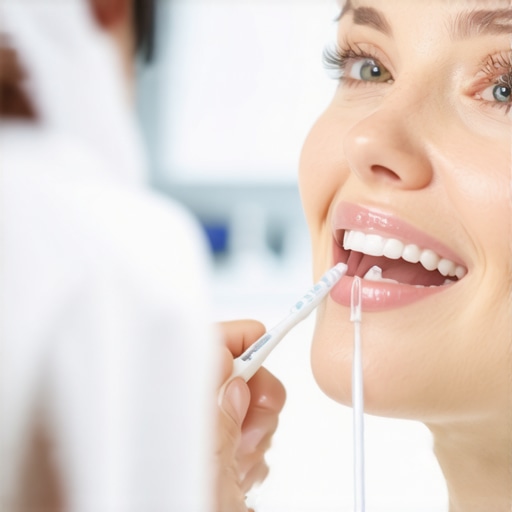
One evening, as I was carefully brushing my teeth, I felt a sudden tug — my dental bridge felt loose. Panic set in. I realized I’d been cleaning it the same way I cleaned my natural teeth, without giving much thought to its delicate structure. That moment was a wake-up call. I knew I needed to learn the safest way to clean my dental bridge without risking damage. Have you ever faced a similar fear of breaking your bridge while trying to keep it spotless? You’re not alone.
Why Proper Cleaning Matters More Than You Think
Many people underestimate how fragile dental bridges can be. They’re strong and durable, but wrong cleaning techniques can cause cracks or even dislodge them completely. A breakage not only means discomfort and costly repairs but can also lead to bacterial buildup, raising the risk of infections. Personal experience taught me that being gentle isn’t just about comfort — it’s about longevity. According to the American Dental Association, improper cleaning can accelerate wear and aging of dental restorations, making proper care crucial for long-term oral health.
Is Over-Attention Actually Harmful for Your Bridge?
Early on, I made the mistake of using overly abrasive tools, thinking that scrubbing harder would keep my bridge cleaner. Instead, I damaged the surface and made it more susceptible to plaque buildup. It’s a common misconception that aggressive cleaning benefits dental restorations, but in reality, gentle and effective methods are best. Combining proper tools with correct techniques is what truly preserves the integrity of your dental work. Want to learn how to do this the right way? Keep reading, and I’ll share the practical steps that changed my routine and protected my investment in my smile.
Choosing the Right Tools for Gentle Cleaning
Start with a soft-bristled toothbrush or a special interdental brush designed for delicate areas—these are like the toothbrushes used for baby teeth, gentle yet effective. I remember the first time I used an ultra-soft toothbrush on my bridge; it felt strange at first, but I noticed less abrasion and better cleanliness. Avoid hard or abrasive tools that can scratch or damage the material of your bridge, much like avoiding rough abrasives on delicate glassware.
Mastering Proper Brushing Techniques
Use Light, Circular Motions
Instead of aggressive back-and-forth scrubbing, gentle circular motions work best—think of polishing a fine piece of jewelry. I learned to do this by practicing in front of a mirror, making small circles on my gum line and around the bridge. This technique minimizes the risk of dislodging or cracking your restoration and ensures thorough cleaning without overload.
Focus on the Margins Carefully
Pay special attention to the margins—the area where the bridge meets your natural teeth—using a floss threader to guide floss beneath the bridge. I once struggled at first, but after mastering the floss threader, I could clean those tricky spots without pulling the bridge loose. This step is vital to prevent plaque buildup, which can cause decay or gum disease around the restoration.
Integrate Flossing for Maximum Protection
Flossing under and around your bridge is like sweeping under a rug—removing hidden debris that brushing alone can’t reach. Use a waxed floss or a specialized threader; I found that combining this with gentle brushing kept my mouth fresh and prevented bad breath. Regular flossing also prevents tartar accumulation that can eventually jeopardize the stability of your bridge.
Use Mouth Rinses to Complement Mechanical Cleaning
An antiseptic mouthwash reduces bacterial load, similar to how a gardener sprinkles fertilizer to boost plant health. I adopted a gentle, alcohol-free rinse to soothe my gums and keep bacteria at bay. Incorporating mouthwash into your routine kills residual bacteria, supporting your mechanical cleaning efforts. Remember, rinse thoroughly to avoid leftover residues that can stain or damage your restoration.
Schedule Regular Dental Check-Ups
Even with superb home care, professional evaluations are essential—think of it as a health check-up for your car, catching issues early. My dentist showed me how to check my bridge’s stability in quick at-home tests, and I scheduled biannual visits. These appointments include professional cleaning and inspection, ensuring my bridge’s longevity. Don’t hesitate to reach out to your dental professional for personalized tips—[contact us](https://familydentistpro.com/contact-us) for expert guidance.
Embrace Modern Technologies for Better Results
Micro-oscillating electric toothbrushes and water flossers can enhance your routine, much like upgrading your smartphone for better performance. I invested in a gentle water flosser; it’s like a tiny pressure washer for your gums, removing stubborn debris safely. These tools make tech-savvy cleaning accessible and efficient, especially for hard-to-reach areas. Discover more innovations in family dentistry and how they can benefit your routine [here](https://familydentistpro.com/family-dentistry-secrets-maintaining-oral-health-with-modern-techniques-at-254-pm).
Conclusion
Adopting these practical, gentle techniques transformed my daily routine from stressful to confident, ensuring my bridge stays intact and my mouth stays healthy. Remember, treating your dental restorations with care not only extends their life but also preserves your overall oral health. Keep these steps in mind, and you’ll be well on your way to a brighter, healthier smile that lasts.
Many people assume they understand the fundamentals of family dentistry, but even seasoned patients often fall into subtle traps that can undermine their oral health. One widespread myth is that dental restorations like crowns or Invisalign are maintenance-free, which isn’t true. While modern materials and techniques have improved durability and convenience, neglecting proper care can lead to premature failure. For example, some believe that whitening treatments make crowns or veneers ineffective, but in reality, these restorations can often be polished and maintained effectively if the nuances are understood. Failing to recognize the importance of selecting the right type of crown for specific needs is another common mistake; porcelain-fused-to-metal crowns, for instance, offer strength but may cause gum darkening over time, whereas all-ceramic options provide better aesthetics but less strength. Furthermore, many overlook how oral health isn’t just about brushing and flossing—dietary habits, saliva composition, and even bite alignment play critical roles in long-term success. Advanced errors often involve misjudging the impact of small habits; for instance, clenching or grinding teeth can subtly damage restorations, a nuance many fail to address until significant issues arise. From an expert perspective, even routine procedures like Invisalign require careful planning; choosing an aligner system without considering bite dynamics or jaw health can result in suboptimal outcomes. Research indicates that personalized treatment plans that account for individual oral biomechanics lead to more stable and lasting results—leaning into such details is crucial for long-term success. Do you find yourself misjudging any aspect of your family’s dental care routine? Remember, knowing the hidden nuances helps you avoid costly mistakes and ensures your investment in oral health truly pays off. For deeper insights into modern techniques and how they benefit your family, explore our family dentistry secrets and stay ahead in your dental journey.Maintaining your dental restorations over time requires the right tools, consistent routines, and a proactive approach. Personally, I swear by a combination of high-quality equipment and modern techniques to ensure my crowns and Invisalign appliances function flawlessly for years. First, investing in a micro-oscillating electric toothbrush like the Oral-B iO provides gentle yet thorough cleaning, reducing wear on delicate restorations while removing plaque effectively. The real secret is using a specially designed brush head, such as the CrossAction, which contours perfectly to the shape of teeth, ensuring you clean every nook without abrasiveness. Alongside, I incorporate a water flosser like the Waterpik Aquarius — its pulsating stream reaches deep between teeth and beneath bridges, without risking damage, unlike traditional threaders. These tools not only facilitate superior hygiene but also extend the lifespan of restorations like crowns and veneers.
Unspoken Lessons That Transformed My Dental Routine
One surprising realization was how tiny habits can make a huge difference in preserving dental work. For example, I learned that flossing with the right technique avoids damaging delicate crowns, something I underestimated at first. It’s these small, often overlooked details that truly extend the lifespan of restorations, inspiring me to pay closer attention to my daily routine.
Another lightbulb moment was discovering the importance of personalized tools. Not all toothbrushes or flossers are created equal—using a soft-bristled brush designed for crowns and bridges minimizes wear and tear while maximizing cleanliness. This tailored approach boosted my confidence in maintaining a healthy, beautiful smile.
Lastly, I realized that modern dental technology isn’t just about aesthetics but about actively protecting your investment. Embracing tools like water flossers and electric toothbrushes meant fewer visits to the dentist and more time enjoying my vibrant smile. These practical changes showcase how embracing innovation can redefine your oral health journey.
Tools That Made a Difference in My Family Dentistry Experience
My go-to arsenal includes a micro-oscillating electric toothbrush—like the Oral-B iO—which gently yet effectively cleans without harming restorations. Combining this with a water flosser, such as the Waterpik Aquarius, allowed me to reach beneath bridges and around crowns effortlessly. These tools are trusted for their efficacy and gentle action, vital for protecting delicate dental work.
For deeper insights and expert advice, I recommend exploring [family dentistry secrets](https://familydentistpro.com/family-dentistry-secrets-maintaining-oral-health-with-modern-techniques-at-254-pm). Knowledge is power, and understanding how to optimize your routine makes all the difference.
Your Next Smile Upgrade Starts Today
Your journey toward a resilient and radiant smile doesn’t have to wait. Small, consistent efforts—paired with the right tools—are game-changers. Remember, embracing gentle techniques and modern technology protects your investment and keeps your family’s oral health in top shape. So why not start today? Your future self will thank you for the commitment to lasting happiness and confidence.
What’s the one dental care habit you think you could improve? Share your thoughts below—I’d love to hear your story.