
The safest way to use toothpicks without hurting your gums
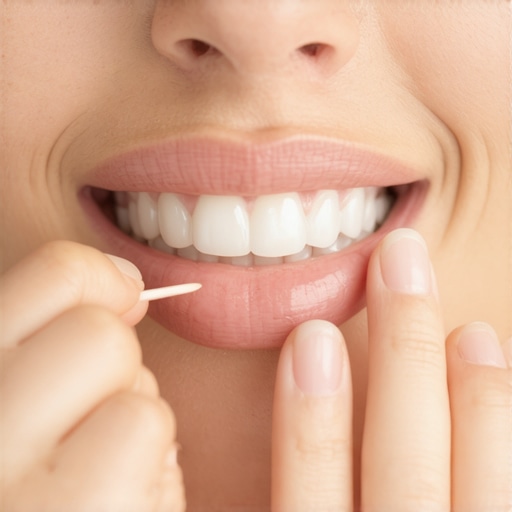
It hit me one evening after a family dinner: I had jabbed my gums with a toothpick so hard that I winced in pain and wondered, *Is this really the safest way to clean my teeth?* That lightbulb moment made me realize how many of us might be unwittingly damaging our gums just to keep our smiles tidy. We often see toothpicks as harmless, simple tools, but improperly using them can lead to gum recession, bleeding, and even infections.
In this post, I promise to share practical, tried-and-true tips that will help you enjoy the benefits of toothpicks without the painful, unwanted consequences. If you’ve ever felt uncertain about whether you’re using them correctly—or avoided using them at all because of fears of hurting your gums—you’re not alone.
Why Using Toothpicks Safely Matters More Than You Think
Using toothpicks the wrong way can cause real harm to your oral health. The delicate tissue of your gums can be easily injured if you apply too much pressure or insert the toothpick at the wrong angle. Early in my own experience, I made a mistake by cleaning too aggressively—thinking that more effort meant better cleanliness. That misstep led to minor gum bleeding and a lingering sense of discomfort, reminding me that gentleness wins the race. For more insights, check out [this guide on avoiding damage when using oral hygiene tools](https://familydentistpro.com/why-your-gums-bleed-only-when-you-use-an-electric-toothbrush-2).
The key is knowing how to wield a toothpick correctly—keeping your gums safe while effectively removing food debris and plaque. It turns out that the way you use this tiny tool can make the difference between healthy gums and trouble down the line. Are you confident you’re using toothpicks in a way that benefits your oral health? Or do you feel unsure, like I once did? Let’s dive into how you can do it right.
But first, let’s address the common skepticism: *Are toothpicks actually worth the hype, or are they just a risky shortcut?*
Is Using Toothpicks Actually Worth the Hype?
Many people worry that toothpicks might cause more harm than good. I used to think that too—until I realized that properly used, they can be a game-changer for maintaining between-teeth cleanliness, especially for those with braces, crowns, or implants. When I first started, I overlooked some basic safety tips, thinking I needed to scrub harder to get results. That mistake taught me that patience and gentle technique are what truly matter.
If you’re interested in mastering this skill, consider visiting [this article on choosing the right technique for your oral health](https://familydentistpro.com/the-ultimate-guide-to-crowns-for-a-healthier-smile). Now, let me guide you through the safe and effective way to incorporate toothpicks into your oral hygiene routine—without risking damage to those precious gums.
Choose the Right Toothpick
Select wooden or plastic toothpicks with a pointed end, but avoid those with rough edges that can damage gums. When I first started, I wasted time trying different types, but I found that a smooth, pointed wooden toothpick provided better control.
Position Properly Before Cleaning
Hold the toothpick between your thumb and index finger, resembling a pencil grip for stability. Gently insert it between your teeth at a 45-degree angle to your gums, aiming to clean just below the gumline without pushing too hard. I remember once pressing too aggressively, causing minor bleeding — a clear sign I needed to lessen the pressure.
Use Gentle, Vibrating Motions
Rather than scraping back and forth aggressively, use gentle zig-zag or circular motions, mimicking a soft massage. This technique effectively dislodges food particles without injuring tissue. I learned this by mimicking the motion I saw in a dental tutorial, which felt awkward at first but proved much safer.
Target Specific Areas
Focus on one tooth or space at a time, especially around crowns or implants. This prevents over-insertion or accidental poking into sensitive areas. During my own routine, I tackled each section slowly, noticing that slow, deliberate movements reduced discomfort.
Clean the Toothpick After Each Use
Wipe the toothpick on a tissue as you go or rinse it under water if it’s reusable. This prevents spreading bacteria and reduces the risk of infection. Remember, I once reused a toothpick without cleaning, which led to minor gum irritation later.
Integrate Regularly into Oral Hygiene Routine
Use toothpicks after meals to remove trapped debris, especially when brushing isn’t immediately possible. But avoid overdoing it; once or twice a day is sufficient to prevent irritation. I set a reminder on my phone to use a toothpick after lunch and dinner, which helped me establish a safe habit.
Be Mindful of Precautions
If you have crowns, veneers, or braces, be especially gentle to avoid dislodging or damaging your restorations. For those with gum disease or sensitive gums, consult your dentist before regular use. I once ignored this advice and experienced gum swelling, which a family dentist later explained was due to aggressive cleaning.
See a Professional if Uncertain
If you’re unsure about technique or experience bleeding or pain, schedule a visit with your family dentist. They can provide personalized guidance or demonstrations. I learned this lesson the hard way, realizing that professional advice can prevent long-term damage. For expert help, visit this contact page or explore more oral health tips at this resource.
Many assume that once you’ve visited the dentist and got your cavities filled or crowns placed, your oral health is securely on track. However, this belief overlooks nuanced aspects that could sabotage your progress if misunderstood. Contrary to popular belief, family dentistry isn’t just about treating problems—it’s about proactive maintenance and understanding the underlying factors that influence oral health long-term. For instance, while crowns are often marketed as a permanent fix, many overlook that their success largely depends on proper care and maintenance. Simply brushing isn’t enough; neglecting the details can lead to premature crown failure or gum issues.
One common myth is that Invisalign aligners are just a cosmetic solution, but in reality, they impact your bite, jaw alignment, and even your sleep quality. Without proper attention, subtle misalignments might go unnoticed, causing long-term jaw pain or uneven wear. Also, there’s a misconception that oral health is isolated from overall wellness, yet studies show a strong link between gum disease and cardiovascular health. For example, research published in the Journal of Periodontology indicates that bacteria from gum infections can enter the bloodstream and increase heart disease risk.
Advanced patients might wonder, “Are there hidden nuances affecting my treatment outcome?” Absolutely. For instance, overlooked habits such as grinding teeth or ignoring signs of early gum recession can undermine even the most meticulously planned treatments like crowns or orthodontics. Moreover, the materials used for restorations or Invisalign trays play a significant role in biocompatibility and long-term durability—areas often underestimated by patients.
Be cautious about the ‘oops’ factors—simple mistakes that can undo years of work. Using abrasive toothpaste with crowns, for instance, can scratch or erode the porcelain, drastically shortening its lifespan. Failures in routine check-ups might miss early signs of inflammation or decay beneath restorations, leading to costly repairs. To avoid these pitfalls, consult your family dentist regularly and inquire about the latest advancements. For example, emerging technologies like zirconia crowns offer stronger, more aesthetic options when compared to older porcelain-fused-to-metal types. You can learn more about the benefits of innovative crown materials by exploring [this detailed guide](https://familydentistpro.com/the-ultimate-guide-to-crowns-for-a-healthier-smile).
Addressing these misconceptions and nuances empowers you to make informed choices, ensuring your oral health supports your overall well-being. Remember, oral health isn’t just a routine check—it’s a lifestyle. Have you ever fallen into this trap? Let me know in the comments, and stay proactive about your family’s smiles.Maintaining optimal oral health requires more than just daily brushing; it involves utilizing the right tools and adopting effective methods to ensure your smile stays healthy and beautiful over time. One essential device I personally rely on is a *power ultrasonic toothbrush*, such as the Sonicare DiamondClean. Its high-frequency vibrations provide superior plaque removal, especially around crowns and along the gumline, reducing the likelihood of decay or gum disease. Additionally, I incorporate a *water flosser* like the Waterpik Aquarius into my routine; it effectively dislodges debris from hard-to-reach spaces, safeguarding against trapped plaque that could compromise restorations like crowns or implants. For those with braces or Invisalign, a *perioidal brush* helps maintain hygiene around brackets and aligners, preventing staining or decay.
Beyond physical tools, I leverage advanced software like *Plaque HD* app, which uses AI to analyze photos of your teeth, highlighting areas needing attention. This immediate feedback motivates me to improve my technique and adhere to a consistent routine. Regularly updating your toolkit ensures you’re equipped to handle emerging challenges and technologies; for instance, newer crown materials like zirconia are more resistant to staining and damage, but only if properly maintained with appropriate brushes and cleaning agents.
Looking ahead, the future of long-term oral care seems headed toward *smart toothbrushes* integrated with Bluetooth devices, allowing real-time monitoring and personalized feedback. Preliminary studies in dental device technology suggest these innovations could significantly improve compliance and early detection of issues, potentially saving thousands in restorative costs. For example, a report in the *Journal of Clinical Dentistry* highlights ongoing developments in AI-driven home care devices—making professional-grade monitoring accessible.
How do I maintain my dental tools and techniques over time?
Regularly replacing worn brush heads every three months, cleaning your water flosser head weekly, and updating digital apps ensure ongoing effectiveness. I’ve found that maintaining a diary of tool replacements and syncing reminders helps me stay consistent.
Remember, investing in quality tools and staying updated with evolving methods make a real difference in preserving crowns, Invisalign results, and overall oral health. For example, choosing the right crown material, such as zirconia, combined with diligent cleaning, can extend its lifespan considerably—learn more about this in our detailed guide on [the ultimate crown maintenance](https://familydentistpro.com/the-ultimate-guide-to-crowns-for-a-healthier-smile). Feel inspired? Try upgrading your flossing with a *water flosser* today, and see immediate improvements in your gum health and restoration longevity.One pivotal moment that reshaped my understanding of family dentistry was realizing how easily minor habits can undermine long-term oral health. I learned that even simple tools like toothpicks, if misused, could cause more harm than good. This lightbulb moment, combined with my journey of trial and error, taught me the importance of gentle techniques and personalized care routines. The most profound lesson was understanding that proactive maintenance, rather than just reactive treatments, is key to a healthy smile. Now, I view oral health as a dynamic, ever-evolving aspect of overall wellness, one that deserves constant awareness, education, and care. Embracing this mindset has transformed my routine and deepened my appreciation for the expertise behind family dentistry.