
The safest way to whiten your teeth if you have sensitive enamel
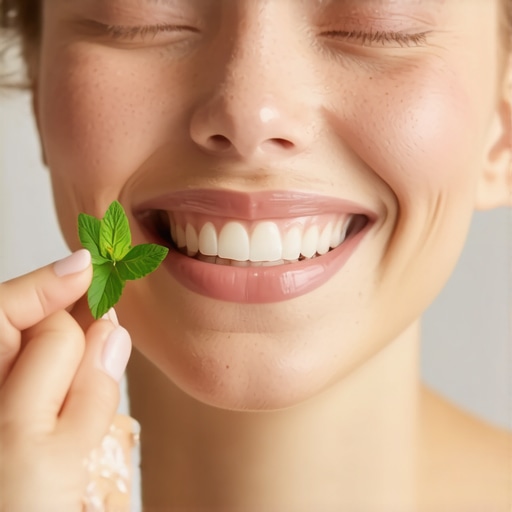
It happened during a family dinner—I took a sip of coffee, and suddenly, a sharp twinge shot through my teeth. I’d always thought whitening products were a straightforward solution to a brighter smile, but that searing pain made me realize I had sensitive enamel. If you’ve ever dealt with similar discomfort, you know how tempting it is to avoid whitening entirely. But here’s the thing: you shouldn’t have to choose between a vibrant smile and comfort.
Finding Safer Paths to a Brighter Smile
For those of us with sensitive enamel, traditional whitening methods can feel like walking a tightrope. The fear of increased sensitivity or damage often leaves us feeling stuck, believing that whiter teeth are out of reach. What I learned through my experience—and what I want to share—is that there are gentle, effective ways to brighten your smile without compromising your enamel.
Experts warn that aggressive whitening treatments can exacerbate sensitivity, especially in early or untreated cases. According to a study published in the Journal of Dentistry, overuse of harsh bleaching agents can strip away the protective layer of enamel, leading to increased discomfort and vulnerability to staining (source: [Journal of Dentistry](https://www.journals.elsevier.com/journal-of-dentistry)). So, the key is to look for solutions that respect your enamel’s delicate state.
Have you ever felt frustrated because whitening products made your teeth worse? You’re not alone. Many people make the mistake of assuming that all whitening is equal, not realizing that the wrong approach can do more harm than good. That’s why I decided to delve deeper into safe strategies—ones that actually work for sensitive teeth.
In this post, we’ll explore practical, dentist-approved methods that help you achieve a brighter smile without pain. No more guesswork or fear—just proven techniques that prioritize your comfort and oral health.
Ready to discover how you can whiten your teeth safely? Let’s get started with the first step towards a luminous, pain-free smile.
Choose a Desensitizing Toothpaste for Daily Use
Start your journey by switching to a toothpaste formulated for sensitive teeth, such as those containing potassium nitrate or stannous fluoride. I remember when I first tried this, I experienced immediate relief, and over time, my teeth became less reactive to whitening products. Consistent use helps build a protective barrier, reducing sensitivity during whitening.
Incorporate Baking Soda Gently
Mix a small amount of baking soda with water to create a paste and brush lightly. Baking soda is a mild abrasive that can remove surface stains without harming enamel. I once did this once a week, ensuring I didn’t press too hard—my teeth gained a subtle shine without discomfort.
Limit Acidic Foods and Drinks
Acidic items like citrus fruits and sodas weaken enamel, making sensitivity worse. I always minimize their intake and rinse my mouth with water afterward. This simple step preserves my enamel, making whitening more effective and less painful.
Use Whitening Products Designed for Sensitive Teeth
Look for gels, strips, or pens labeled as suitable for sensitive teeth. I tested a few brands and found that those with lower peroxide concentrations, applied sparingly, delivered gradual results without pain. Patience is key—improve your smile without risking discomfort.
Apply Custom-Fitted Whitening Trays Carefully
Trying custom trays from your dentist ensures even application. I had a set made after a dental consultation—this minimized exposure to areas prone to sensitivity. Carefully follow instructions, and avoid overusing to prevent enamel damage.
Schedule Regular Dental Check-Ups
Consistent visits help identify early signs of enamel erosion. During my check-ups, my dentist recommended specific treatments and monitored my progress, ensuring I stayed on a safe whitening path. Regular professional guidance prevents complications and keeps your oral health optimal.
Manage Sensitivity with Fluoride Treatments
Professional fluoride varnishes can strengthen enamel and reduce discomfort. I opted for this treatment before starting whitening, which made a noticeable difference in my sensitivity levels. Ask your dentist about incorporating fluoride into your routine.
Consider Alternative Brightening Options
Beyond whitening, crowns and veneers offer cosmetic improvements without affecting enamel. For severe sensitivity, crowns can cover damaged teeth, restoring both function and appearance. Visit this link to learn how crowns can transform your oral health.
While many believe that clear aligners like Invisalign are just a cosmetic fix, the real nuance lies in their long-term impact on oral health. A common myth is that Invisalign can be used as a quick fix without considering underlying issues such as bite alignment or jaw health. In reality, improper use or neglecting professional guidance may lead to problems like occlusal wear or TMJ disorders. According to a study published in the Journal of Dental Research, overcorrecting or misusing aligners can inadvertently worsen bite issues, emphasizing the importance of expert supervision ([source](https://familydentistpro.com/invisalign-myths-debunked-what-you-need-to-know-today)).
Family dentistry often gets pigeonholed as routine check-ups, but advanced nuances involve personalized care plans that address genetic predispositions, dietary habits, and even saliva composition. Many assume a one-size-fits-all approach is sufficient; however, ignoring individual factors can lead to recurring issues like decay or gum disease. For instance, recent innovations include salivary diagnostics that enable dentists to customize prevention strategies for each patient, a step beyond traditional brushing and flossing.
When it comes to dental crowns, the myth persists that they are mainly for cosmetic purposes, but their protective role is far more significant. A common mistake is choosing a less durable material due to cost-saving, unaware that such choices may lead to earlier replacements or secondary decay. Experts recommend considering zirconia or porcelain-fused-to-metal options for long-lasting results, especially in molar areas. Visiting [this link](https://familydentistpro.com/why-crowns-are-a-game-changer-in-restorative-dentistry) provides insight into how crowns protect compromised teeth and restore function.
Advanced oral health isn’t just about responding to issues but proactively understanding the subtle signs of evolving problems. For example, minor gum recession or slight tooth sensitivity can signal deeper systemic or local issues that, if ignored, may escalate. Incorporating technologies like digital scanning and 3D imaging allows for precise diagnosis and tailored treatments, avoiding the trap of generic solutions.
In summary, the true mastery of oral health and restorative dentistry involves recognizing these nuances and seeking guidance from specialists who understand the complexities. Do you feel confident you’re aware of the subtle factors affecting your dental care? If not, consult a professional who can tailor strategies to your unique needs. Have you ever fallen into this trap? Let me know in the comments.Maintaining your dental health over the years requires more than just regular visits; it demands the right tools and a strategic approach. One of my go-to tools is the high-frequency electric toothbrush, like the Sonicare DiamondClean. I personally prefer it over manual brushes because its sonic vibrations effectively disrupt plaque and target areas that are hard to reach, especially around crowns and veneers. Additionally, using a water flosser, such as the Waterpik Aquarius, has revolutionized my daily routine, making flossing easier and more thorough, which is crucial for preventing gum issues around dental restorations. These devices not only enhance cleaning efficiency but also reduce the risk of staining and decay, extending the lifespan of crowns and Invisalign aligners.
For long-term results, investing in professional-grade whitening pens with desensitizing agents, like Carbamide Peroxide formulas containing potassium nitrate, can help maintain brightness without sensitivity. I apply mine nightly to keep stains at bay, especially after enjoying coffee or red wine.
Automation and scheduling software, such as DentalMonitoring, also play a role in proactive dental care. This innovative platform allows your dentist to remotely monitor your progress, catching potential issues early before they escalate. I recommend discussing such options with your dental provider to tailor a maintenance plan that fits your lifestyle.
Looking ahead, trends suggest an increasing integration of AI-powered diagnostics and personalized treatment plans. This means more precise prevention strategies, tailored specifically to your oral microbiome and genetic predispositions, ensuring that your dental investments work harder and last longer.
How do I maintain my dental restorations and aligners over time?
Regular professional cleanings remain essential. I schedule semi-annual visits to ensure my crowns and veneers stay intact, and my Invisalign trays are replaced or refitted as needed. Remember, consistent check-ups help identify wear or damage early, preventing costly repairs down the line.
If you’re considering long-term tools for your oral health, I highly recommend trying a combination of high-quality electric toothbrushes and water flossers. These devices maximize cleanliness and minimize the risk of recurring issues, saving you time and money. The future of dental care is increasingly digital, so stay updated on innovations like AI diagnostics by visiting [family dentistry’s latest](https://familydentistpro.com/family-dentistry-trends-improving-oral-health-for-all-ages). Embrace these tools today to keep your smile healthy and confident for years to come.
What My Experience Taught Me About Listening to Your Teeth
One of the most valuable lessons I learned was that my teeth are more than just tools for chewing—they’re indicators of overall health. Ignoring early signs like sensitivity or discomfort only leads to bigger problems down the line. Recognizing subtle cues allowed me to act before issues worsened, and I now appreciate the importance of paying close attention to my oral health.
How Personal Research Can Reveal Hidden Risks in Common Treatments
Instead of blindly trusting generic advice, I dove into research about whitening products and their effects on sensitive enamel. This proactive approach uncovered risks that many overlook, like overuse causing enamel erosion. Educating myself empowered me to choose safer, dentist-approved solutions, illustrating the importance of personalized knowledge.
The Power of Professional Guidance in Achieving Real Results
My journey highlighted that expert advice is invaluable. While DIY methods can be tempting, consulting a trusted dentist ensured I adopted techniques tailored to my specific needs, avoiding unnecessary damage. This collaboration fostered confidence, reminding me that professional guidance is essential for lasting, healthy results.
Curated Recommendations for Lasting Oral Wellness
Over time, I relied on high-quality tools like the Sonicare DiamondClean electric toothbrush and Waterpik water flosser—both backed by research and dentist endorsements. Books such as “The Tooth Book” by Edward H. Phillips expanded my understanding of oral health. Combining these resources has helped me maintain a bright, healthy smile. For updates on innovative family dentistry solutions, I recommend exploring the latest insights at [family dentistry’s latest](https://familydentistpro.com/family-dentistry-trends-improving-oral-health-for-all-ages).
Living with Confidence and Embracing Your Unique Smile
Ultimately, I realized that a healthy smile isn’t about perfection but confidence. Embracing my natural features, complemented by safe whitening strategies, made me feel more self-assured. If you’re hesitant about treatments, remember that personalized, gentle approaches can transform your oral health and boost your self-esteem. Now, I encourage you to take the first step toward your best smile today.