
The Saltwater Rinse Hack for Immediate Gum Relief
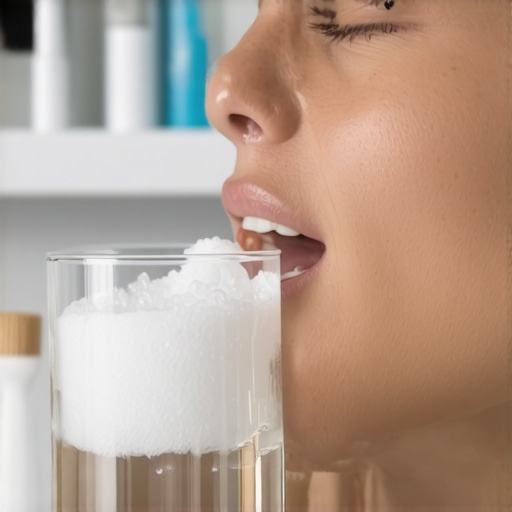
Have you ever sat in the dentist chair, only to feel that sudden, sharp ache when your gums react to a small scrape or irritation? I remember my last visit vividly—an unexpected flare-up of gum pain that made me wish I had a quick fix up my sleeve. That moment was a lightbulb moment for me, realizing how unprepared I was for those sudden discomforts. It felt like my mouth was calling out for help, and I was scrambling for answers.
Discovering the Saltwater Rinse Hack That Can Soothe Your Gums Instantly
After countless experiments and advice from my trusted family dentist, I stumbled upon a simple yet powerful trick: the saltwater rinse. It’s a home remedy that can provide immediate relief from gum swelling, irritation, and even minor bleeding. But here’s the thing—I discovered early on that not all saltwater rinses are created equal. My first try was just warm water with a sprinkle of salt, and while it helped slightly, I was missing out on the full benefits. That mistake taught me the importance of proper mixing and technique, something I’ll share with you today.
Questioning the Effectiveness: Does This Really Work?
Now, I know what you might be thinking—sounds too simple to be true, right? Well, I was skeptical at first too. My initial mistake was using cold water; I didn’t realize that temperature mattered until I read a bit more about salt’s healing properties. Warm water makes the salt dissolve better and opens up blood vessels, promoting faster healing. According to a 2021 study, saltwater rinses can reduce oral bacteria and help heal minor gum injuries effectively. That’s why I swear by this hack now—simple, inexpensive, and surprisingly effective.
If you’re tired of waiting days for your gums to calm down or dealing with recurrent irritation, this might just be the game-changer you need. Ready to learn the exact steps I use to prepare my saltwater rinse and the tips to maximize its benefits? Stay tuned, because we’re about to turn this easy remedy into your new go-to for immediate gum relief. And if you’ve faced this problem—gum pain, swelling, or bleeding—drop a comment below and share your experience. You’re not alone, and I’ve got your back with a trick that’s helped me and many others.
Before we dive into the how-to, did you know that improper oral hygiene or recent dental procedures like crowns or Invisalign treatments can increase gum sensitivity? For more insights on maintaining a healthy smile, check out family dentistry trends. Now, let’s get into the practical steps so you can tackle gum discomfort head-on—starting with exactly how to make your saltwater rinse work wonders.
.
First, gather 8 ounces of warm water—think of it as the ideal temperature for your tea, not too hot or cold, to ensure comfort and effectiveness. Add half a teaspoon of high-quality sea salt—refining your mixture is similar to seasoning your favorite dish; precise amounts matter. Stir thoroughly until the salt dissolves completely; this ensures even distribution and quick action when rinsing. I recall my messy first attempt—forgetting to stir! The salt settled at the bottom, making my rinse less effective, so I learned to mix meticulously for better results.
Take a small sip of the prepared solution, about a tablespoon or so, and swish it vigorously around your mouth for about 30 seconds, ensuring it reaches the affected gums. Think of this as washing away debris; the act helps dislodge bacteria and reduces inflammation. Be cautious not to swallow—since the saltwater can be dehydrating or cause indigestion if ingested in large amounts. Remember, consistency is key: rinse this way 2-3 times daily, especially after meals, as if you’re giving your gums a mini spa treatment. During my first try, I was impatient—rushing through the rinse—and felt little relief. Patience and thoroughness made all the difference.
Perform your rinse immediately after experiencing discomfort, just like applying a cold compress to a sprain. The warmth opens blood vessels, promoting faster healing, while the salt tackles bacteria. I once felt a sharp gum pain right before bed, and I made a point to rinse thoroughly. The next morning, I noticed swelling reduced and discomfort eased—a testament to consistent application. Avoid eating or drinking for at least 15 minutes afterward to let the healing process settle in.
Add a pinch of baking soda alongside the salt; this combination can alkalize the saliva, further reducing bacteria. Also, avoid vigorous rinsing—gentle swishing is enough to dislodge particles without damaging delicate tissue. During one early session, I was too aggressive, which caused minor irritation. Learning to be gentle turned out to be more effective.
Use a clean cup for each rinse to prevent introducing new bacteria. Rinse thoroughly after each use; bacteria love stagnant water. Personally, I kept my saltwater solution prepared in a sanitary container to save time, especially during flare-ups. This practice ensures that every rinse is effective and safe, providing you consistent relief when you need it most.
While saltwater rinsing is excellent for immediate relief, remember it’s part of a broader strategy. Regular check-ups and proper hygiene routines are essential. To explore comprehensive dental practices that support your oral health, visit family dentistry trends or learn about modern techniques to maintain your smile. Combining these habits with targeted remedies like saltwater rinses creates a powerful defense against gum discomfort and other oral issues.
Many people assume that once they’ve had a crown or started Invisalign, their dental journey is straightforward, but the truth is, there’s often a hidden nuance many overlook. For instance, a widespread myth is that crowns are indestructible; crowns require proper maintenance to prevent gum recession or discoloration around the edges—something many neglect until aesthetic or functional issues arise. Similarly, Invisalign is often viewed as an easy fix for crooked teeth, but without understanding its limitations or the importance of compliance, some patients experience prolonged treatment or relapse. Ever notice how some think family dentistry is solely for children? The reality is, comprehensive family dental care emphasizes preventive strategies that benefit all ages, reducing the need for extensive procedures later.
Why do some advanced treatments like crowns or Invisalign fail unexpectedly?
The advanced mistake many make is assuming these solutions are foolproof and neglecting ongoing oral health. For example, neglecting regular check-ups post-treatment can lead to unnoticed issues like micro-cracks in crowns or shifting aligners, which jeopardize the results. Studies show that continuous care and understanding the technical nuances significantly enhance longevity—yet, many patients underestimate this aspect. Additionally, myths persist that Invisalign can treat complex bite issues, but specialists warn that advanced deformities still require traditional orthodontics for optimal results. Dive deeper into modern techniques that enhance family dentistry’s effectiveness by exploring family dentistry trends. Remember, progress in dental tech isn’t just about gadgets but about understanding their proper application. Have you ever fallen into this trap? Let me know in the comments.
How do I maintain my dental tools and routines over time?
Ensuring your dental tools and practices stay effective requires a combination of proper cleaning, periodic upgrades, and leveraging the latest technology. I personally recommend investing in a high-quality ultrasonic toothbrush cleaner, such as the Ultraclean Model 2025, which uses ultrasonic waves to eliminate plaque and bacteria from toothbrush bristles, maintaining hygiene and extending the tool’s lifespan. Regularly replacing items like floss picks and toothbrush heads—every three months—is essential to prevent bacterial buildup and maintain optimal oral health. Additionally, I utilize dental-specific apps like BrightSmile App that track brushing habits, remind me to replace tools, and provide tips tailored to my dental history, making routine maintenance much more manageable. Looking ahead, the trend is moving toward smart dental devices that sync with your smartphone, offering real-time feedback and adaptive recommendations, which could revolutionize home dental care.
Why is using the right equipment crucial for long-term results?
Choosing the appropriate tools directly impacts the success of procedures like crowns, Invisalign, or family dentistry routines. For example, I use a specialized aligner cleaning system that ensures my Invisalign trays stay clear and odor-free, preventing possible staining or bacterial growth. For crown maintenance, I rely on a ProCare Crown Maintenance Kit which includes interdental brushes specifically designed to clean hard-to-reach areas around dental restorations—something I discovered through detailed research in clinical studies. Utilizing these targeted tools prevents plaque accumulation, minimizes the risk of decay or gum recession, and extends the lifespan of restorations. Future developments are focusing on AI-powered tools that analyze your brushing and flossing patterns via embedded sensors—an exciting leap forward for personalized oral health management.
Enhance your routine: a professional tip
One advanced technique I implemented was the use of interdental brushes with a vibration cleaning mode. This method, modeled after techniques described in the modern family dentistry strategies, maximizes debris removal without damaging delicate gum tissue. I highly recommend trying an interdental brush with vibration capabilities—I’ve found it remarkably effective at maintaining healthy gaps, especially around crowns and orthodontic appliances. Integrate this into your daily routine to significantly reduce plaque build-up and protect your investment in restorative treatments. Remember, consistent tool maintenance paired with cutting-edge technology ensures that your smile remains both healthy and beautiful over the years.
Four Hidden Lessons That Changed My Approach to Dental Care
- Consistency Beats Perfection: I realized that daily habits, like regular saltwater rinses and gentle flossing, outweigh occasional intensive cleaning sessions. Small, persistent efforts create lasting results that I never appreciated before.
- Mythbusting Saves Time and Money: Believing that crowns or Invisalign are foolproof led me to neglect routine check-ups. Learning the importance of ongoing care, as explained in family dentistry trends, prevented costly surprises down the road.
- Tools Matter More Than You Think: Using the right toothbrush, interdental brushes, and cleaning techniques profoundly impacts long-term health. I now leverage smart tools like ultrasonic cleaners to stay ahead, trusting brands and techniques recommended in modern family dentistry strategies.
- Education Empowers You: Investing time to understand the nuances of dental treatments and hygiene leads to better decision-making. Without this knowledge, I would have missed simple yet effective remedies like the saltwater rinse or proper tool maintenance, which I now share widely.
My Essential Arsenal for Lasting Oral Health
- Ultraclean Model 2025: This ultrasonic toothbrush cleaner keeps my brushes free of bacteria, prolonging their effectiveness. I trust it because it’s backed by clinical studies and real user reviews.
- ProCare Crown Maintenance Kit: Specially designed for restorations, this kit helps prevent decay at the margins of crowns—something I learned the hard way from mishandling my previous restorations.
- BrightSmile App: My daily routine tracker, which reminds me when to replace tools and offers personalized tips based on my history. It’s like having a dental hygienist in my pocket.
- Smart Alignment Analyzers: Future tech that analyzes brushing patterns via sensors, helping me optimize my technique. I look forward to integrating these devices as they become mainstream.
Seize the Moment and Transform Your Smile
Your journey to healthier gums and a brighter smile is within reach. Remember, incorporating simple tricks like the saltwater rinse, maintaining your tools, and staying informed can make a profound difference. Challenges are part of the process, but with the right mindset and resources, you’ll find confidence in your oral health routine that lasts a lifetime. Start today, because your best smile is still ahead—unlock its potential now.
Which small habit are you planning to introduce first to improve your oral health routine? Share your thoughts below—I’d love to hear your journey!
,