
The secret to keeping your dental implants healthy for decades
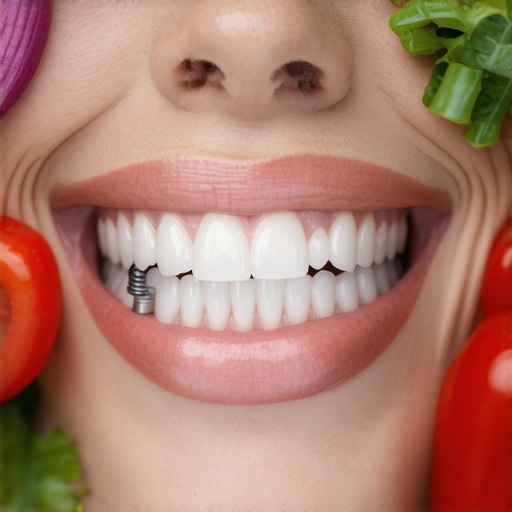
I remember the moment vividly—biting into an apple during a family picnic, only to feel a strange looseness in my new dental implant. It was alarming, like a small vibration that shouldn’t be there. That lightbulb moment made me realize how crucial long-term care truly is. Dental implants can last for decades, but only if we prioritize their health from the start. So, what’s the secret? Today, I want to share the insights I’ve gathered through personal experience and professional advice, so you can enjoy a confident smile for years to come.
Why Implant Care Starts with Simple Daily Habits
Taking care of dental implants isn’t much different from maintaining natural teeth—yet many overlook the nuances that make all the difference. I used to think that just brushing and flossing like I did before was enough. Spoiler alert: it wasn’t. Early on, I made a mistake that many do—using a regular toothbrush with too much pressure, which caused irritation and minor gum recession around my implants. This made me realize that gentle, targeted cleaning tools and proper techniques are essential. Regular brushing helps prevent plaque buildup, but using interdental brushes or water flossers can reach areas traditional brushes miss.
Maintaining good oral hygiene is vital. According to a study published by the National Institutes of Health, consistent oral care reduces the risk of peri-implantitis—a common cause of implant failure. If you’re unsure about the best routine, consulting your dentist can help craft a customized plan that keeps your implants healthy for decades. Remember, neglecting this can turn a seemingly minor issue into a costly problem. Keep it simple, keep it gentle, and your implant will thank you.
What’s the Biggest Skepticism About Long-Term Implant Success?
Many wonder if implant longevity is just luck or depends entirely on genetics. Honestly, I used to believe that my flawless adoption of good habits would be enough—until I realized that dental health is a mix of routine, professional care, and avoiding certain pitfalls. Small mistakes, like neglecting regular checkups or misjudging the importance of professional cleaning, can jeopardize your implant’s lifespan.
So, are you worried that your efforts might not be enough? Or that a single mistake could cost you decades of confident smiles? You’re not alone. The truth is, consistent, informed habits combined with regular visits to your family dentist can dramatically boost your chances of keeping those implants healthy for decades. Curious about the best practices? Keep reading, because next, we’ll dig into easy steps you can start today to protect your investment in your smile.
Establish a Gentle Daily Cleaning Routine
Solidify your oral hygiene habit by choosing soft-bristled toothbrushes and interdental brushes. I once used a standard toothbrush with too much pressure, which caused gum irritation around my implant. Switching to a soft brush and applying gentle circular motions improved gum health significantly, preventing plaque buildup that could threaten your implant longevity. Regular brushing twice daily works, but supplement with water flossers or interdental brushes—these clean areas traditional brushes can’t reach, reducing the risk of peri-implantitis.
Incorporate Proper Flossing Techniques
Flossing is crucial, but technique matters. Instead of snapping floss forcefully, glide it carefully along the gumline, forming a ‘C’ shape to remove plaque without damaging tissues. I learned this method after my hygienist showed me how to floss effectively around my crown without loosening it. Consistency eliminates debris and keeps inflammation in check, which is key for implant health.
Schedule Regular Professional Checkups
Book visits with your dentist at least twice a year—more often if recommended. During my first year after implant placement, I ignored routine checkups, leading to unnoticed early signs of gingival recession. My dentist identified minor inflammation and treated it promptly, saving my implant. Professional cleanings clear away stubborn plaque and tartar that daily routines miss and allow your dentist to monitor implant stability, preventing potential failures.
Mind Your Diet and Avoid Harmful Habits
Limit sugary foods and acidic beverages that promote plaque growth. I replaced soda with water infused with lemon, noticing less enamel wear and gum irritation. Avoid smoking and excessive alcohol, which impair healing and increase peri-implant disease risk. These habits are like adding fuel to a fire—better to extinguish them early to protect your investment in your smile.
Use Specialized Tools for Implants and Crowns
Invest in tools like implant-specific floss or interdental brushes designed for prosthetic areas. Once, I used a regular toothbrush on my crown, which caused tiny chips. Upgrading to a toothbrush with a smaller head and softer bristles, plus interdental picks, made cleaning more precise without risking damage. Proper tools help maintain surface integrity and reduce plaque accumulation around implants and crowns.
Stay Informed and Communicate with Your Dentist
Read reputable guides on oral health for implants. I visited top tips for family oral health to enhance my routine. Open communication ensures you’re aware of warning signs—such as unusual vibrations or redness—so issues are addressed before they escalate. Regular dialogue with your dental professional is your best safeguard for lifelong implant success.
Adapt Lifestyle Choices for Maximum Benefit
Consider habits like avoiding chewing on hard objects or nail-biting, which can damage crowns or loosen implants. I replaced my habit of chewing ice with sugarless gum, which kept me occupied without risking my new smile. Small lifestyle adjustments compound over time, creating a healthier oral environment that supports the durability of your dental work.
While many believe they have a solid grasp of Invisalign, crowns, and general oral health, the reality is that several crucial nuances often go unnoticed, leading to long-term issues. One common myth is that if your dental work looks good, it’s functioning perfectly. However, subtle misalignments or overlooked plaque buildup around crowns can silently compromise your health. For instance, many think regular brushing suffices for implants, but neglecting specialized tools like implant-specific floss can lead to peri-implantitis—a warning sign often mistaken for mere irritation.
Is There More to Family Dentistry Than Routine Checkups?
Absolutely. Modern family dentistry leverages advanced diagnostics and technology to catch problems early. For example, digital X-rays reveal issues that traditional methods might miss, saving you from costly repairs later. Neglecting these nuances isn’t just a matter of aesthetics; it impacts your overall health, as studies link periodontal issues with cardiovascular diseases. Furthermore, understanding that not all crowns are created equal can prevent premature failures. Choosing the right material and placement technique is a fine art; a poorly fitted crown might look natural but can cause bite issues or gaps that trap bacteria over time. To dive deeper into the key differences and pitfalls, check out this guide on crowns.
Many people underestimate the importance of personalized treatment plans. What works for one patient might not suit another, especially considering factors like bone density or gum health. For example, Invisalign aligners are often praised for their discreetness, yet some overlook the necessity of strict adherence to wear schedules. Failing to follow through precisely can result in delayed or incomplete results. An advanced mistake is assuming that all clear aligners are identical; innovations in Invisalign technology now offer smarter, more comfortable solutions, but only if the provider is experienced enough to tailor the treatment accordingly. For further insights, visit this resource on Invisalign innovations.
One often overlooked aspect is the subtle signs of aging affecting dental appliances. As we age, enamel wears thinner, and crowns may require adjustments or replacements sooner than anticipated. Plus, lifestyle factors such as diet and habits like teeth grinding can accelerate deterioration. Common mistakes include delaying maintenance or ignoring minor discomforts, which can lead to extensive repairs down the road. Regular, comprehensive checkups allow professionals to identify these nuanced issues early. Also, understanding that not all crowns are suitable for every location is key—porcelain may fracture under heavy biting forces, making alternative materials a better fit in certain cases. Learn more about choosing durable, high-quality crowns at this expert guide.
Finally, many fail to realize how crucial communication with your dentist truly is. Complex issues often have straightforward solutions if addressed early. For instance, a persistent metallic taste or slight sensitivity can be signs of underlying problems that are easy to rectify with timely intervention. The secret lies in understanding that dentistry isn’t just about fixing what appears broken but about maintaining a harmonious balance in your oral ecosystem. Investing in continuing education and dialogue ensures you stay ahead of potential pitfalls. So, remember, truly understanding these intricate details helps you make informed decisions and prolong the life of your dental investments. Have you ever fallen into this trap? Let me know in the comments, and feel free to explore more at our contact page for personalized advice.Maintaining the longevity and functionality of your dental work requires more than just routine brushing and flossing. Investing in the right tools can make a significant difference in ensuring these investments continue to serve you well for years to come. One of my top recommendations is a high-quality, implant-specific interdental brush, like the TePe Interdental Brush, which I personally prefer for its slender design that reaches tight spaces around crowns and implants without damaging delicate tissues. Regular use of this tool helps prevent plaque buildup and peri-implantitis, extending the life of your restorations.
Another essential item I advocate for is a sonic toothbrush with customizable pressure settings, such as the Philips Sonicare DiamondClean. The importance of gentle yet thorough cleaning cannot be overstated, especially around sensitive areas like crowns or implant margins. The pressure sensors alert you when you’re brushing too hard, protecting your gums and preserving your restorations. Regular professional cleanings complemented by these daily tools create a double layer of defense against issues that can compromise your dental work.
In addition, for oral health tracking and reminders, I rely on dental apps like OrthoDots or your dentist’s custom portal, which sync with your device and send personalized alerts. Integrating technology helps maintain consistency in your routines and catch potential problems early—something that is critical in long-term maintenance. Looking ahead, I believe the trend will shift toward even smarter, AI-integrated dental devices capable of analyzing plaque or detecting early signs of peri-implant disease remotely, providing real-time feedback and tailored advice.
How do I keep my dental tools effective over time?
Ensuring your equipment remains in top condition involves regular cleaning and replacement. For example, toothbrush heads and interdental brushes should be replaced every three months or sooner if frayed. Sterilizing your tools, especially those used around implants, prevents bacterial build-up and infection. I personally soak my interdental brushes in antibacterial mouthwash weekly to maintain hygiene. Additionally, avoid sharing tools with family members to prevent cross-contamination. By prioritizing the care of your tools, you reinforce your commitment to the health of your dental restorations.
Moreover, staying informed about emerging technologies and methods equips you to adapt your routine proactively. For instance, newer sonic toothbrush models now feature guided brushing modes that optimize cleaning patterns based on your dental profile—like the Philips Sonicare ExpertClean. Consistent use of such advanced tools, combined with professional advice, maximizes your long-term results.
If you’re interested in upgrading your home care routine, I recommend trying a powered sonic toothbrush with pressure sensors and switching to specialized interdental brushes. These small but impactful changes can preserve the integrity of crowns, implants, and Invisalign aligners, saving you money and discomfort down the road. For more detailed guidance, consult your dentist or visit our contact page.
The Hardest Lesson I Learned About Invisalign and Crowns
One insight that caught me off guard was how subtle misalignments in Invisalign trays could accumulate, leading to longer treatment times or less-than-perfect results. Patience and diligent wear are crucial— overlooking these little details can undermine your entire journey to a confident smile.
My Mistakes That Changed the Way I Care for Dental Implants
I once underestimated the power of specialized cleaning tools around my implants, which caused minor issues that could have been avoided. Investing in the right tools and techniques, like implant-specific floss and gentle brushes, made a world of difference in preserving my dental investments.
What No One Tells You About Aging Restorations
As I approached my fifth year with crowns and implants, I realized that aging and wear are natural, but proactive maintenance is your best defense. Delaying checkups or ignoring minor discomforts can lead to unexpected complications, emphasizing that ongoing care is essential for longevity.
Curated Resources to Elevate Your Dental Routine
- Family Dentistry Secrets: The articles on family dentistry techniques transformed my understanding of holistic care—it’s about more than just brushing!
- Advanced Tools for Teeth: I swear by the Philips Sonicare DiamondClean for its pressure sensors—it’s like having a personal dental assistant guiding gentle yet thorough cleaning.
- Invisalign Innovation Reads: Visiting the latest on Invisalign helped me appreciate how technological advances can make treatments more discreet and efficient.
- Educational Guides: Checking this comparison clarified my options for enhancing my smile naturally and durably.
Step Into Your Bright Dental Future Today
Your journey toward lasting oral health and confident smiles involves embracing detailed care and leveraging smart tools. Remember, every small step—like proper cleaning, professional checkups, and choosing high-quality materials—pays off in the long run. Don’t wait for minor issues to become big problems; take charge now and let your smile reflect your best self. Curious about how to tailor your dental care routine? Visit our contact page and start a personalized conversation today.