
The Secret to Keeping Your Invisalign Trays from Smelling Like Old Socks
Ever had that moment when you open your Invisalign case, and a wave of something sour and funky hits you harder than your morning coffee? I sure have. Missing a night or two of cleaning, and suddenly, my trays turned into a mini compost heap. It’s a gross surprise nobody wants, especially when you’re trying to keep your smile fresh and confident. I remember thinking, “Is this inevitable?” until I stumbled upon a simple habit that changed everything.
Why That Smell Happens and How It Can Ruin Your Confidence
Over time, bacteria and trapped food particles build up on your Invisalign trays. When you don’t clean them properly, they ferment — giving off that unmistakable, sock-like odor. As someone who’s personally dealt with this, I know how embarrassing it can be, especially if you’re about to meet friends or head into an important meeting. The good news? That smell is entirely preventable. Maintaining fresh trays isn’t just about hygiene; it’s about preserving your self-assurance and the health of your mouth. According to dental research, bacteria can contribute to gum disease and cavities, making proper tray care essential for overall oral health. So, what you’re really fighting here is more than just bad smell—it’s protecting your smile.
Is All the Hype Around Cleaning Your Trays Just Overblown?
Early on, I made the mistake of thinking that just rinsing my trays with water would do the trick. Spoiler alert: it wasn’t enough. The real key is a consistent, thorough cleaning routine. If you ignore this, you risk unpleasant odors and even bacterial buildup that can affect your gums and teeth. Trust me, investing just a few extra minutes each day has made a world of difference. Curious how to do it right? Let’s dive into the simple habits that keep your Invisalign trays smelling fresh and feeling clean—because your confidence deserves it. And if you want to learn more about how Invisalign is transforming family dentistry, check out this guide.
Establish a Daily Cleaning Routine
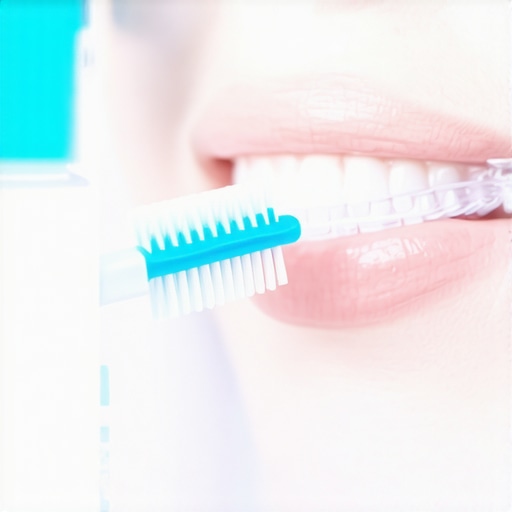
Begin by dedicating a specific time each day to clean your Invisalign trays—preferably after meals and before bed. I recall the time I neglected this, and by midday, my trays smelled sour and felt sticky. To avoid this, I set a reminder on my phone, which kept me consistent. Rinsing with warm water isn’t enough; use a soft toothbrush and a non-abrasive toothpaste or a specialized cleaning solution designed for Invisalign. Be gentle—think of cleaning jewelry rather than scrubbing a stubborn stain. This habit prevents bacteria buildup and odor formation, maintaining freshness throughout the day.
Use Proper Cleaning Solutions
Opt for Invisalign-Safe Cleaners
Choose cleaning tablets or solutions specifically formulated for aligner care. During my routine, I tried mixing vinegar and baking soda, but the fizzing was messy and left residues. A dedicated cleaner dissolves thoroughly, reaching all surfaces. Place your trays in the solution for the recommended time—usually 15-20 minutes—and then rinse thoroughly under cool water. This process dislodges plaque and food particles, preventing sour smells and potential stains, ensuring your trays remain virtually invisible and odor-free.
Implement a Spot Cleaning Technique
For quick refreshes, especially when you’re on the go, use a soft, damp cloth or a specialized Invisalign wipe to wipe down the trays. I kept a pack of wipes in my bag—saving me from embarrassing moments during coffee breaks or meetings. Just a few gentle swipes remove surface sugars and bacteria, reducing the chances of sour smell development. Remember, spot cleaning doesn’t replace thorough brushing and soaking but acts as a quick maintenance step.
Avoid Common Mistakes That Spur Oral Issues
Skip the urge to brush trays with regular toothpaste—many contain abrasives that can scratch the plastic, creating hiding spots for bacteria and odors. Instead, use cleaning solutions recommended by your orthodontist or family dentist. I once used regular toothpaste out of habit, and it left micro-scratches, making my trays look cloudy over time. These tiny damages can harbor bacteria, leading to bad odors and potential staining. To protect your investment and your smile, stick to gentle, specialized cleaners and brush gently with a soft-bristled toothbrush.
Store Trays Correctly When Not in Use
Always keep your trays in a dedicated container—preferably a ventilated one—to prevent dust accumulation and bacterial growth when you’re not wearing them. I made the mistake of tossing my trays into my bag, which led to scratches and caught debris. Proper storage keeps them clean and ready for use, reduces odor buildup, and extends their lifespan. Be sure your storage case is also cleaned regularly to prevent the transfer of bacteria back onto your trays.
Monitor Your Oral Hygiene Beyond Trays
Maintaining a fresh smile isn’t just about trays; it requires good oral hygiene overall. Brush twice daily, floss diligently, and use mouthwash that doesn’t contain alcohol—alcohol dries out your mouth and can worsen odors. I learned this the hard way when I used a strong mouthwash, and my gums felt irritated. Choosing a gentle, alcohol-free option helps maintain saliva production, which naturally fights bacteria and neutralizes bad smells. Regular dental check-ups also help catch issues before they escalate, keeping your progress on track.
Many people believe they understand the basics of family dentistry and oral health, but in reality, there are nuanced pitfalls and misconceptions that can compromise long-term results. One widespread myth is that frequent professional cleanings alone guarantee excellent oral health, but neglecting daily habits and understanding restorative options like crowns can undermine these efforts. For example, some assume that all crowns are the same, yet choosing the right type and proper placement are critical for durability and aesthetics, as detailed in this guide on crown selection. Moreover, many think that Invisalign is just a cosmetic fix, while its strategic applications can actually prevent complex dental issues if integrated with comprehensive family care. Overlooking the advanced nuances of aligner material and attachment placement can cause discomfort or delayed results. When it comes to oral health tricks, a common mistake is over-reliance on whitening products or home remedies that may damage enamel—dental professionals warn that aggressive whitening can lead to increased sensitivity, as supported by this expert insight. To maximize your family’s dental health, focus on understanding the subtle differences in treatment options and avoid falling for oversimplified hacks or myths that ignore these complexities. Remember, tailored care that considers these hidden nuances is what truly leads to lasting oral health. Have you ever fallen into this trap? Let me know in the comments.
Maintaining your dental investments—be it crowns, Invisalign, or other restorations—requires the right tools and consistent routines. Over the years, I’ve refined my arsenal to include equipment that genuinely makes a difference. For example, I swear by the ultrasonic cleaner from SonicSmile; it not only sanitizes my crowns and retainers thoroughly but also extends their lifespan by preventing bacterial buildup that can cause degradation or odors. Using specialized solutions like Corega tablets ensures deep cleaning without damaging delicate materials, aligning with best practices recommended by dental professionals. Long-term success with dental restorations hinges on regular maintenance—think of it as quality gear for an ongoing journey towards optimal oral health.
In terms of digital tools, I’m a fan of cloud-based dental tracking apps like OralTrack. They help me schedule and record cleaning routines, monitor progress, and even receive reminders for upcoming checkups or replacements, such as crown assessments or Invisalign check-ins. As technology advances, these platforms are integrating AI to flag potential issues early, like signs of gum recession or misfit crowns, based on user input and photos. Embracing such innovations means you’ll know when to visit your dentist before small problems escalate.
Looking ahead, I predict a shift toward smart appliances that connect seamlessly with your smartphone—imagine toothbrushes that monitor brushing pressure and technique in real time or bio-sensors that detect early decay. Staying ahead means investing in quality tools now and maintaining disciplined routines.
How do I keep my dental tools and restorations performing over time?
My secret is a combination of gentle cleaning techniques and protective storage. For example, always store your crowns or Invisalign trays in ventilated cases away from dust and direct sunlight—they’re sensitive to environmental factors that can accelerate wear. Regularly inspecting your tools and appliances helps catch micro-damages early; I do a quick check every month, looking for cracks or discoloration. Additionally, avoiding harsh abrasives or alcohol-based cleaners extends their usability. Employing gentle brushing using soft brushes and non-abrasive toothpastes, such as those recommended by your dentist, prevents scratching and micro-fractures that could harbor bacteria. Following these steps aligns with the expert advice, like that from the family dentistry resource, ensuring your investment remains durable and functional.
Remember, maintaining your dental health isn’t just about quick fixes—it’s an ongoing process that benefits from the right tools and habits. If you’re unsure about the best products or routines for your specific situation, reach out to your dental professional. They can recommend personalized solutions that fit your lifestyle and long-term goals. Don’t wait for problems to arise—be proactive and keep your smile shining bright. For tailored advice, consider scheduling an appointment here.
Over the years, I realized that caring for your family’s dental health goes beyond quick fixes and superficial routines. The most significant lessons I’ve learned stem from unexpected moments of discovery—small habits, overlooked details, and expert insights—that truly transformed my approach. These aren’t just tips; they’re insights that can empower you to maintain a smile that’s confident and resilient for a lifetime.
What the Hidden Lessons About Oral Care Taught Me
- Consistency Trumps Perfection: I used to think occasional deep cleanings were enough, but I found that daily habits—like rinsing trays properly after every meal—prevented sour smells and bacterial buildup better than sporadic cleaning ever could. Small routines build up to big results.
- Not All Cleaners Are Created Equal: I tried DIY solutions like vinegar and baking soda, only to learn that specialized, Invisalign-safe cleaning tablets really make a difference. They ensure thorough cleaning without damaging my aligners or crowns, reinforcing the importance of using the right tools for the job.
- The Value of Proper Storage: Forgetting to store trays in a ventilated case once led to odors and scratches—reminding me that where you keep your dental tools profoundly impacts their longevity and hygiene.
Tools and Resources That Accelerated My Smile Journey
- Choosing the right crown guidance has helped me pick durable restorations that feel natural. Trusting expert advice means fewer surprises down the line.
- I rely on comprehensive Invisalign info to stay informed about the best aligner options. Staying educated empowers me to make decisions aligned with my lifestyle.
- Digital tracking apps like OralTrack keep me accountable, ensuring my routine remains consistent. They turn oral health into a manageable, tech-friendly habit that fits seamlessly into busy days.
Your Smile’s Next Chapter Starts Today
Remember, your family’s dental health is an ongoing journey—one that benefits immensely from intentional habits, trusted resources, and a proactive mindset. Small, mindful actions daily can lead to a powerhouse smile that’s not just beautiful, but resilient against time and challenges. So, why wait? Take the next step to invest in your confidence and health today, because your smile deserves that commitment.
Comments are closed.