
The secret to preventing coffee stains on your new veneers
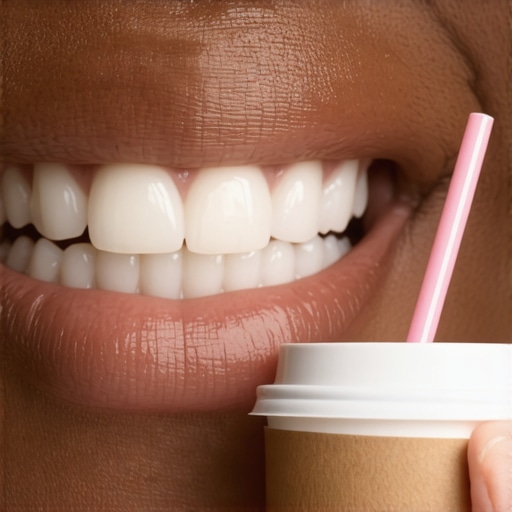
It was a morning just like any other, but I nearly panicked when I caught sight of my reflection after my first cup of coffee—those stubborn stains threatening my dazzling new veneers. I remember thinking, “How did I let this happen?” That lightbulb moment made me realize: I needed to find a way to keep my smile bright without sacrificing my favorite morning ritual.
Say Goodbye to Coffee Stains on Your Veneers
Having invested in veneers to restore my smile’s confidence, I wasn’t about to let coffee undo all that work. The truth is, many of us face this dilemma—how to enjoy that aromatic cup without worrying about staining our beautiful, sensitive dental work. Today, I want to share what I’ve learned from personal experience and dental expert advice to help you keep your veneers pristine.
Is Worrying About Coffee Stains Really Worth It?
I used to think that avoiding coffee altogether was the only option. Turns out, I was making a common mistake early on—believing that once you’ve got veneers, your coffee days are over. But that’s not the case. With the right knowledge and habits, you can still indulge without fear of staining. According to dental professionals, certain drinks and foods are more likely to stain veneers, but many of these can be managed with simple precautions.
Throughout my journey, I learned that it’s not just about avoiding stains; it’s about adopting consistent habits that protect your investment and boost your confidence. If you’ve ever felt frustrated by discoloration after enjoying your favorite beverage, know that you’re not alone—and there are effective strategies to keep your smile shining.
Let’s dive into some proven tips and tricks that helped me keep those stains at bay, so you don’t have to sacrifice that daily cup of coffee anymore.
Mastering Daily Oral Care for Veneers
Start with a consistent routine—brush at least twice a day with a soft-bristled toothbrush and a non-abrasive toothpaste designed for veneers. Personally, I found that replacing my old toothbrush every three months prevented plaque buildup and maintained the smoothness of my veneers, reducing stain retention. Floss daily, paying special attention to areas around your veneers to prevent plaque accumulation, which can trap stains and discoloration between teeth. Using interdental brushes helped me clean hard-to-reach spots, much like sweeping every corner of a room to avoid hidden dirt.
Implement Specific Techniques Against Stains
Rinse Immediately After Coffee
After that morning brew, rinse your mouth with water within 30 seconds. Think of it as watering a garden: the quicker you water, the less dust or dirt settles. I made it a habit, and within a week, I noticed my veneers stayed brighter longer. This simple step washes away chromogens—color molecules that cause stains—before they settle.
Use a Straw to Minimize Contact
Opt for a plastic straw when drinking coffee or dark-colored beverages. This reduces direct contact with your veneers, much like shielding a surface from rain. I experimented with reusable straws at first, but disposable ones work best for occasional beverages, preventing stains by directing liquids away from the front surfaces.
Switch to Blonde or Light Coffee Options
Choose lighter coffee blends or tea alternatives with less staining power. It’s akin to choosing a light-colored shirt over a dark one—less chance for visible stains. I started with a light roast, and surprisingly, I didn’t feel my coffee was less flavorful, yet my veneers stayed impressively bright. If you miss the traditional taste, try adding a splash of milk or a dash of cinnamon to enhance flavor without darkening your drink.
Schedule Regular Dental Check-ups
Visit your dentist at least twice a year for professional cleanings. During my appointments, my dentist used a gentle polishing method that removed surface stains, much like buffing a scratched car to restore its shine. Regular cleanings also prevent plaque buildup around veneers, ensuring stains don’t befriend stubborn grime.
Consider Veneer-Safe Whitening Products
Use whitening toothpaste formulated for veneers, which contains non-abrasive polishing agents. I stayed away from harsh whitening strips that can damage veneers—think of them as rough sandpaper on delicate glass. Instead, I chose a veneer-safe polish recommended by my dentist, which helped me maintain brightness without risking damage or discoloration.
Stay Hydrated for Overall Brightness
Drink plenty of water throughout the day. Hydration keeps saliva production optimal, acting as a natural rinse—like a gentle shower washing away residual stain-causing substances. Keeping your mouth moist also reduces the risk of staining foods and beverages settling into microscopic pores on your veneers.
Beyond the Basics: The Hidden Nuance in Oral Health
Many individuals assume that brushing regularly and visiting the dentist once a year are sufficient for maintaining optimal oral health. However, the reality is far more nuanced. For instance, a prevalent myth is that cavities only form in children; in fact, adults are equally susceptible due to factors like lifestyle and aging tissues. Dental professionals emphasize that understanding the nuanced causes of common issues like gum disease and enamel erosion is crucial for prevention and treatment.
Myth Busting: More Brushing Means Better Oral Health
The “more is better” approach to brushing can actually be detrimental. Overbrushing or using overly abrasive toothpaste can wear down enamel and gums, leading to sensitivity and recession. Experts recommend gentle brushing twice daily with a soft-bristled brush, paying attention to technique rather than frequency. This subtlety often trips people up because they equate vigorous cleaning with effectiveness, but it’s the technique that counts.
Beware the Trap of Whitening Products
Many believe that whitening toothpaste or over-the-counter whiteners are safe for all dental restorations like crowns or veneers. Unfortunately, some whitening agents can cause discoloration or damage to these restorations, creating mismatched shades that are hard to correct. Dental professionals advise consulting your dentist before using whitening products if you have restorations. Using veneer-safe whitening solutions, as discussed in this guide, is a smarter approach.
Advanced Mistake: Underestimating Family Dentistry’s Role
Many assume that visiting a family dentist is mainly for kids, but in reality, comprehensive family dentistry can prevent complex issues before they escalate. Regular check-ups that include advanced diagnostics, like 3D imaging, enable early detection of occlusal problems or hidden decay. Neglecting these can lead to more invasive treatments later on. For insights on integrating modern techniques into your family’s routine, check out these secrets.
Why Invisalign Might Be More Than Just Straightening Teeth
Many believe Invisalign is solely for aesthetic purposes. However, correct alignment improves bite function, reduces TMJ problems, and facilitates better oral hygiene. Additionally, advanced innovations, such as smart tracking and customized attachments, make Invisalign an effective solution for complex cases. As seen in this article, staying informed about these nuances can elevate your treatment decisions.
Understanding these subtle yet impactful aspects of oral health helps you avoid traps that can compromise your smile. Remember, mastering nuance is key to long-term dental wellness. Have you ever fallen into this trap? Let me know in the comments.
Keep it Working: Essential Tools for Long-Term Oral Health
Maintaining a radiant smile requires more than just good intentions—it demands the right tools and consistent routines. Over the years, I’ve found that investing in quality equipment can make all the difference in preserving the results of procedures like crowns, veneers, or Invisalign. One of my top recommendations is a sonic toothbrush. Unlike manual brushes, sonic models generate hundreds of movements per second, effectively disrupting plaque and stain molecules, which is crucial for keeping veneers and crowns looking pristine. Personally, I use the Philips Sonicare DiamondClean because of its gentle yet thorough cleaning action and built-in timers that ensure I brush long enough without overdoing it.
In addition to a good toothbrush, I rely on specialized dental floss and interdental brushes. Regular floss helps remove plaque between teeth, but I prefer the GUM
Soft-Picks for targeting tight spaces around restorations without damaging delicate gum tissue. This precise approach reduces staining in areas prone to plaque buildup, preserving the integrity of crowns and veneers over time. Implementing an effective flossing routine demands consistency, but it pays off in long-term results.
Another tool I swear by is a water flosser. During my routine, I use the Waterpik Ultra to flush out debris and reduce plaque formation around appliances like Invisalign trays or crowns. Water flossers are especially useful if you wear orthodontic aligners or have dental restorations prone to trapping plaque. They make maintenance easier and more effective—reducing the likelihood of staining or decay that could compromise your investment in a beautiful smile.
What are the best software solutions for monitoring oral health progress?
Modern digital tools can help you track your oral health between visits. I recommend using apps like this guide to find user-friendly platforms that record daily habits, remind you to replace toothbrush heads, or log issues like sensitive spots. Many dental clinics now incorporate digital monitoring systems that sync with your smartphone, offering personalized advice and early warnings if something changes. Staying ahead of potential issues ensures your crowns, veneers, or Invisalign treatments remain successful for years to come.
Where do I see digital advancements heading in dentistry?
Predicting the future, I believe we’ll see even more integration of AI-driven diagnostics and at-home monitoring systems. Technologies like intraoral cameras and AI-based analysis will empower patients to spot early signs of trouble, like minor wear or staining, before they become significant problems. This proactive approach aligns with trends in family dentistry, aiming to improve outcomes across all ages and conditions. For an example of such innovations, check out here.
Finally, I encourage you to incorporate at least one advanced tool into your routine—whether it’s a sonic toothbrush or a water flosser—to ensure your dental restorations and orthodontic devices keep delivering their long-term benefits. These devices aren’t just gadgets; they are investments in your smile’s future, making maintenance easier and more effective. Give one a try today and experience the difference firsthand.
What I Never Predicted About Keeping My Veneers Flawless
One revelation I had was that consistency trumps perfection. I used to think that a single good brushing session would do the trick, but I realized that daily habits, like rinsing after coffee and gentle flossing, are what truly protect my investment. Another surprise was how much I underestimated the power of modern tools—using a sonic toothbrush and water flosser transformed my routine and made maintenance effortless. Lastly, I discovered that patience and proactive care, such as scheduling regular dental visits and choosing veneer-safe whitening products, create a long-term shield that keeps my smile radiant.
Tools and Resources That Elevate Smile Care
My essential toolkit includes the Philips Sonicare DiamondClean for thorough yet gentle cleaning, because quality matters when preserving veneers. I also trust GUM Soft-Picks for precise interdental cleaning without damaging sensitive gums, especially around restorations. For at-home monitoring, apps recommended in this guide help me track habits and catch issues early. Additionally, reading up on family dentistry trends from trusted sources keeps me informed about innovations that can further safeguard my smile.
Your Smile Journey Starts Today
Embracing proactive, informed oral health habits is the best way to ensure that your smile remains as stunning as the day your veneers were placed. Remember, each small step—be it choosing the right tools or scheduling regular check-ups—adds up to lasting confidence. Don’t wait for discoloration or discomfort to appear; act now, and give yourself the gift of a bright, healthy smile that you’re proud to share. Your future self will thank you for it.