
The Simple Fix for a Sharp Invisalign Edge Cutting Your Tongue
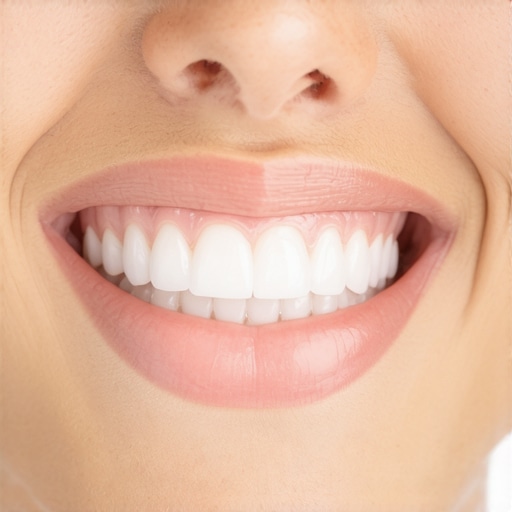
I remember the exact moment I realized my new Invisalign aligner was more of a curse than a blessing. I was mid-sentence, trying to talk casually with friends, when I felt a sharp, unexpected sting at the side of my tongue. Ouch! At first, I thought I had bitten it, but then I noticed a tiny, jagged edge pressing against my soft tissue. That gnawing sensation lingered all day, making me wince every time I spoke or ate. It was a real mood killer, and honestly, it left me wondering: How many other people are suffering from this unnoticed issue?
Why a Sharp Invisalign Edge Can Be an Unseen Nightmare
The truth is, many folks embarking on their Invisalign journey don’t realize how a small, unnoticed edge can cause big discomfort. When I first started treatment, I overlooked a crucial detail—my aligners weren’t perfectly smooth on the edges. Soon enough, I was battling a persistent discomfort that’s not just annoying but can also lead to larger oral health issues if left unchecked. It’s surprisingly common; in fact, a recent study mentions that up to 20% of Invisalign users experience minor chafing or sharp edges during their treatment (source: familydentistpro.com).
The good news? That tiny edge can be tamed. I want to share what I learned from my own misstep and how you can fix or prevent this uncomfortable problem. No more wincing every time you speak or feeling self-conscious about that odd, sharp feel against your tongue. The fix I discovered is straightforward, affordable, and can be done at home, saving you trips to the dentist unless necessary.
If you’ve faced this particular dilemma—feeling that unpopular, sharp edge of your Invisalign tray cutting into your tongue—you’re in the right place. Let’s explore how to smooth out those edges, so your aligner fits as comfortably as possible. But before diving into the step-by-step solutions, I’ll address a common hesitation: is this fix really safe, or am I risking damaging my aligner? Keep reading to find out.
Gather Your Supplies and Prepare
Start by collecting a fine, emery board or nail file, a mirror, and a clean workspace. Think of it as sharpening a knife—precision is key. I once tried using rougher sandpaper, which made the edges even worse, so stick to the fine grit for a gentle and controlled file. Ensure your hands are clean to prevent bacteria transfer.
Identify the Problematic Edge
Place your aligner in front of a mirror and gently run your finger along the edges to feel for any sharp spots. It’s easy to overlook a tiny jagged edge until it starts bothering you during speech or meals. I once noticed a small curve on the side that was scratching my tongue; pinpointing it made the fixing process straightforward.
File the Edge Carefully
Hold the aligner firmly and gently file the sharp area in a back-and-forth motion, mirroring how you would sharpen a pencil. Use light pressure—overdoing it can create uneven surfaces or weaken the tray. Do short sessions, checking frequently by gently running your finger over the edge to monitor progress. Rushing could lead to accidentally thinning the tray too much, risking breakage or deformation.
Test the Smoothness
After each pass, re-examine the edge with your fingertip and do a quick oral check by running your tongue over it. You want the edge to feel rounded and comfortable. Remember, patience is crucial; rushing might leave residual sharp spots that can cause irritation later.
Sanitize and Review
Once satisfied, clean the aligner with warm water and a soft brush to remove any filing debris. It’s akin to polishing a gemstone—removing imperfections enhances comfort and clarity. Before reinserting, inspect the alignment for unintended distortions or rough spots, ensuring your correction process remains on track.
Take Preventative Measures
To avoid future discomfort, regularly examine your aligners, especially after cleaning or handling. If you notice new roughness, repeat this smoothing process. Also, avoid biting or flexing the aligners unnecessarily, which can create uneven edges. For added safety, some patients use a small amount of dental wax on the edge, although this is more of a temporary fix.
When to Seek Professional Help
If the edge seems stubborn or you’re uncertain about filing it yourself, consulting your dentist is the safest bet. They can professionally smooth or adjust your aligner, ensuring no damage occurs. For more insights into modern family dentistry techniques, visit Family Dentist Secrets.
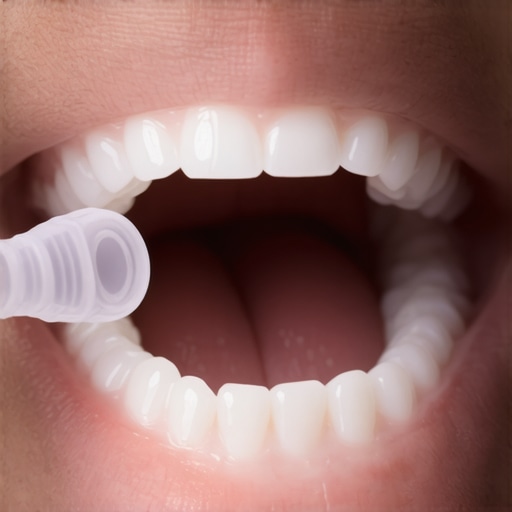 Many assume that maintaining good oral health is straightforward—brushing twice a day, flossing regularly, and visiting the dentist annually. However, beneath these common practices lie nuanced pitfalls and misconceptions that can compromise long-term dental success.
Are All Dental Restorations Created Equal?
Contrary to popular belief, not all crowns and veneers offer the same durability or aesthetic appeal. Many patients overlook the importance of choosing the right material and the expertise of their dentist. For example, porcelain-fused-to-metal crowns can sometimes cause a dark line at the gum line, undermining aesthetics, while zirconia crowns offer superior strength and a more natural look. A comprehensive understanding of these options is crucial, as emphasized in the ultimate crown guide].
Myth alert: Many believe that dental restorations are lifelong solutions. The truth is, they require proper maintenance and sometimes replacement, especially as gums recede or materials age. Ignoring signs of wear or damage can lead to further complications, including decay beneath restorations.
The Hidden Power of Invisalign Attachments
While Invisalign has revolutionized orthodontics, many overlook the importance of attachments—small composite bumps that ensure effective tooth movement. Proper placement and patient compliance are critical; neglecting these nuances can extend treatment duration or reduce efficacy. For advanced users, understanding how attachments interact with orthodontic force vectors can make the difference between a successful correction and prolonged discomfort. Dive deeper into the future of Invisalign].
Beware of common mistakes: some believe that excessive or aggressive brushing can strengthen teeth—perilous falsehoods that damage enamel. Overbrushing can lead to gum recession and increased sensitivity. Use a soft-bristled brush and employ gentle, circular motions. For best results, consult your family dentist regularly for personalized guidance, as detailed in family dentistry trends].
In the realm of oral health, details matter. Small misconceptions or neglect of nuanced care can undermine your entire dental routine. Stay informed, ask your dentist questions, and don’t fall for the myth that basic care is enough—deep understanding leads to healthier teeth and a brighter smile. Have you ever fallen into this trap? Let me know in the comments.
Maintaining optimal oral health requires more than just regular brushing and flossing. Investing in the right tools and establishing effective routines can extend the lifespan of crowns, veneers, and Invisalign trays, saving you money and ensuring your smile stays bright. Personally, I rely on a few specific items that have transformed my daily dental care routine and helped prevent common issues like buildup, discoloration, or damage.
First, I recommend using a **sonic toothbrush** such as the Philips Sonicare ProtectiveClean. Unlike manual brushes, sonic toothbrushes produce high-frequency vibrations that effectively disrupt plaque and biofilm, especially around dental restorations and along gum lines. This ensures thorough cleaning without excessive force, which could harm delicate areas.
Second, a **water flosser** like the Waterpik Aquarius has become indispensable in my toolkit. It’s particularly beneficial for cleaning around crowns, bridges, and orthodontic appliances since traditional flossing can sometimes leave debris behind. The jet stream of water reaches under restorations and between teeth, helping maintain periodontal health and preventing decay.
Third, I incorporate specific interdental brushes or end-tuft brushes tailored for individual needs. For instance, I prefer the OXO Good Grips interdental brush for larger gaps and the TePe Extra Soft Interdental brush for sensitive areas. These tools excel at cleaning around fixed restorations and behind brackets, preventing plaque buildup that leads to failures or discoloration.
To complement these tools, I use a **dental hygiene app**—such as CariJoy—that provides reminders and personalized advice based on my Oral Health Profile. Technology like this not only motivates me to stay consistent but also helps monitor progress over months, revealing long-term trends and issues early.
Where do these tools fit in? Over time, they contribute to better maintenance results, reducing the need for costly repairs or replacements. For instance, preventing plaque accumulation around crowns diminishes the risk of secondary decay—a common reason for replacement—and preserves the integrity of your restoration.
Looking ahead, I predict that advances in **smart oral care devices** will refine daily routines further. Imagine toothbrushes connected via Bluetooth to your smartphone, analyzing your brushing technique in real-time and offering instant feedback. As technology evolves, integrating data-driven insights into our oral hygiene practices will be the norm.
### How do I maintain my orthodontic appliances and crowns over time?
Regular inspection is key. Make a habit of examining your restorations and appliances after each cleaning session, looking for signs of wear or rough edges. If you notice minor damage or discomfort, addressing it promptly—either with simple at-home adjustments as described earlier or consulting your dentist—can save you from more complex repairs down the line. Visit family dentistry trends to stay updated on the latest innovations.
Lastly, don’t underestimate the power of a professional cleaning. Regular visits help remove tartar and identify early signs of wear or issues that tools at home might miss. Schedule your next dental appointment via this contact page, and discuss adopting these tools for a more effective long-term maintenance plan. Trying out a sonic toothbrush and a water flosser today might be just what you need to elevate your oral health routine—giving you a smile that lasts a lifetime.
What Nobody Tells You About Perfecting Your Smile
During my journey with Invisalign and family dentistry, I discovered that the real key to lasting oral health isn’t just the treatments—it’s understanding the subtle, often overlooked details that can make or break your progress. One lightbulb moment was realizing that simple habits, like examining your aligners for sharp edges or understanding the nuances of crown materials, can save you from discomfort and costly repairs down the line. These insights, gathered through personal experience and expert advice, are gems that transform routine dental care into a mindful practice that pays dividends over a lifetime.
Tools and Resources That Elevate Your Dental Routine
When it comes to maintaining dental excellence, I swear by tools like the Philips Sonicare ProtectiveClean for gentle yet effective cleaning, and the Waterpik Aquarius water flosser to reach those tricky spots around crowns and braces. For deeper insights, the comprehensive guide on crowns and veneers has been invaluable. Additionally, staying updated with the latest advancements in Invisalign technology through modern orthodontic innovations keeps my expectations realistic and my approach proactive.
Embrace Your Dental Confidence Today
Your journey toward a healthier, more radiant smile is unique, and every small step counts. Don’t let fear or misconceptions hold you back from taking charge of your oral health—empower yourself with knowledge, quality tools, and a trusted dental team. Remember, the best investment you can make is in your smile. What’s one new habit you’re excited to try for better oral health? Share your thoughts below and start a conversation that could change your dental routine forever.