
The simple trick to seating your Invisalign on stubborn molars
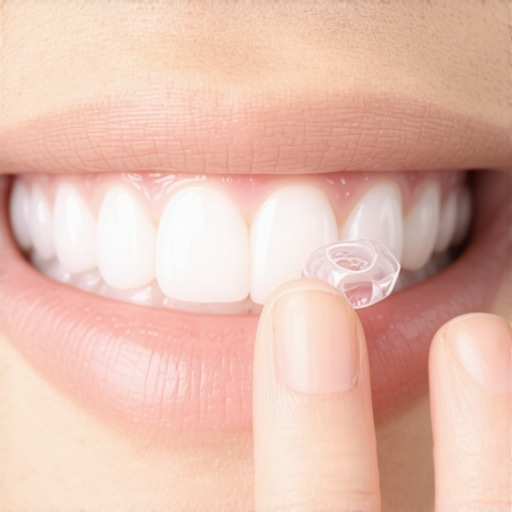
Have you ever spent what felt like an eternity trying to get your Invisalign trays to fully seat on those notoriously stubborn molars, only to end up frustrated and questioning if you’re doing something wrong? I vividly remember the first time I faced this challenge. I was eager to keep my treatment on track, but those sneaky molars just wouldn’t cooperate, despite multiple attempts and various angles. That lightbulb moment when I finally cracked the code changed my entire experience—and I want to share this simple trick with you.
Why Stubborn Molars Can Make Invisalign Fit a Real Nightmare
Molars, especially the last ones at the back of your mouth, are a bit of a pain when it comes to Invisalign. They’re larger, harder to see, and tend to have uneven surfaces that make trays sit less flush. If you’ve ever noticed that even after carefully inserting your aligners, they don’t seem to seat properly, you’re not alone. This can lead to discomfort, longer treatment times, or even trays that don’t work as effectively as they should.
What I Used to Do Wrong and Why It Didn’t Help
Early on, I made the mistake of applying more force or just trying to
Using Gentle Pressure to Guide Your Trays
During my first attempt, I realized applying excessive force only made the trays worse, causing discomfort and prolonging the process. Instead, I learned that applying gentle, consistent pressure on the molars helps the aligner seat properly. To do this, place your fingertips on each side of the tray and press gently, ensuring even contact. Think of it like pressing gently on a window to make it align perfectly—force isn’t the answer; finesse is.
Warm Water and Flexibility Make All the Difference
One day, I softened my trays by rinsing them in warm water. Warmth makes the plastic more pliable, allowing better conformity to the molars’ uneven surfaces. After warming, insert the tray and hold the molars with your fingers, pressing downward and outward as if you’re molding the tray onto the teeth. This technique reduces resistance and helps seat stubborn trays without forcing them, preventing damage and discomfort.
Targeted Cheek and Tongue Movements
Another effective method involves manipulating your cheeks and tongue. Gently pressing your cheeks outward and pressing your tongue against the roof of your mouth can help guide the tray into place, especially for those hard-to-reach molars. I tried this after noticing that my trays would seat better when I massaged my cheeks outward—like stretching a tight rubber band. These small movements act like natural guides, easing the tray into its proper position.
Using Saliva and a Saliva Booster
Dry trays can be problematic, so keeping the trays moist helps flexibility. I started using a saliva spray before inserting the trays, which lubricates the fit and reduces friction. Moist trays slide into place more easily, especially over the molars’ uneven surfaces. Think of it like oiling a hinge—less friction equals a smoother process.
Check Placement Before Moving Forward
After attempting to seat the tray, always verify proper placement by gently pressing around the edges and looking for any gaps or liftings, especially near the molars. A quick visual check makes sure you’re not forcing misaligned trays, which could cause discomfort or prolong treatment. This small step ensures you’re consistent and gentle, much like a craftsman fitting pieces together.
Turn Off Excess Force and Be Patient
I used to rush, but I found that patience pays off. Slowly working on each molar, rather than trying to seat the entire tray at once, reduces frustration and risk of damage. Taking your time is like folding a complex origami—accuracy trumps speed. If you encounter stubborn spots, rewarm the trays or switch to a fresh, warm one, then proceed patiently.
Remember, if persistent difficulties occur, consulting your dentist or orthodontist can prevent mishaps. They might recommend specific techniques or adjustments tailored to your unique mouth anatomy. For more tips on maintaining your oral health during treatment, explore our top oral health tips or consider a professional assessment through contacting your family dentist.Many people assume they understand the basics of oral health, but beneath the surface lie crucial nuances that can significantly impact treatment outcomes and long-term dental health. For instance, a widespread misconception is that all dental crowns are the same, leading many to choose based solely on cost or appearance. However, the type of crown—whether porcelain, zirconia, or gold—can influence durability, compatibility with your bite, and even your gum health. Selecting the right crown requires understanding these subtle differences, and consulting a specialist can dramatically improve results. I recommend exploring our guide on crown selection to make informed decisions.
Another common myth relates to Invisalign therapy. Many believe it’s only suitable for minor crowding or spacing issues, but recent advancements have expanded its applications to complex cases, including some bite corrections. Yet, what many overlook is the importance of proper attachment placement and patient compliance. Misunderstanding these nuances can lead to prolonged treatment times or subpar results. To gain a deeper understanding, see our comparison of Invisalign and braces and learn how to optimize your treatment.
When it comes to family dentistry, there’s a tendency to dismiss the importance of personalized care. Routine check-ups are vital, but not all practices focus on comprehensive education tailored to each family member’s age and health status. Overlooking these details can cause overlooked cavities, gum issues, or even miss signs of systemic health problems. The key is to find a dentist who integrates modern technology with customized advice—something our family dentistry approach emphasizes.
Now, consider this: How many times have you replaced your toothbrush or neglected the subtle signs of early decay? Many assume that brushing and flossing alone suffice, but advanced nuances like toothbrush bristle condition, flossing technique, and ongoing lifestyle factors play significant roles. Ignoring these can cause ongoing deterioration despite regular habits. For expert insights, read about top oral health tips.
Your oral health is a complex interplay of many subtle factors. Recognizing common myths and understanding the less obvious aspects allows for smarter choices and better results. Have you ever fallen into this trap? Let me know in the comments. For personalized advice, don’t hesitate to reach out to a professional today.
Investing in the Right Equipment for Long-Term Success
Maintaining dental work like crowns and ensuring Invisalign remains effective requires a combination of proper tools and disciplined routines. Personally, I recommend a high-quality ultrasonic toothbrush such as the Philips Sonicare DiamondClean, which provides gentle yet thorough cleaning, especially around crowns and braces. Its sonic technology produces over 31,000 brush strokes per minute, removing plaque more effectively than manual brushing and reducing the risk of decay or gum irritation near dental restorations.
Complementing your toothbrush, a water flosser like the Waterpik Ultra offers targeted cleaning of hard-to-reach areas around crowns and between teeth, preventing buildup that can compromise long-term results. I’ve found that using gentle, pulsating water directs cleaning power precisely where needed without damaging delicate restorations.
For daily maintenance, an interdental brush such as the TePe Supreme ensures that plaque along the gumline and around braces or crowns doesn’t go unnoticed. These small but powerful tools allow meticulous cleaning, which is especially critical when considering the nuances of oral health that can lead to crown failure or Invisalign setbacks.
Monitoring Progress with Digital Apps and Professional Guidance
In addition to physical tools, I utilize dental tracking apps like Dental Monitoring. These platforms let me upload photos regularly so my dentist can monitor the health of my restorations remotely, catching any issues early. Combining technology with routine check-ins guarantees that small problems are addressed before escalating to costly repairs.
Looking ahead, the trend is moving toward smarter, AI-driven dental tools that can provide real-time feedback on brushing pressure, coverage, and overall technique. Soon, *smart toothbrushes* will seamlessly integrate with dental apps to personalize maintenance routines, making oral health care less guesswork and more precision-driven. For now, investing in reputable devices like those mentioned allows you to keep your smile healthy and your long-term results intact.
How do I maintain my crowns and Invisalign trays over time? The key lies in meticulous cleaning, regular professional evaluations, and embracing new technology. Don’t forget, consistent care today paves the way for a brighter, healthier smile tomorrow. I encourage you to try my favorite advanced tip: use a sonic toothbrush paired with a water flosser daily, and see the difference it makes in preserving your dental work. For personalized guidance, consider reaching out to your family dentist through this contact page.
The Hardest Lesson I Learned About crowns,invisalign,oral health,family dentistry
One of the most profound insights I gained was that patience and finesse triumph over brute force. Rushing to seat a stubborn Invisalign tray or a loose crown often causes setbacks; embracing a gentle, methodical approach has transformed my results.
Why Rushing Can Sabotage Your Smile Goals
For years, I believed that pressing harder would make trays seat faster, but I learned that this only led to discomfort and misalignments. Instead, learning to trust the process—using warmth, saliva, and precise movements—becomes the game-changer.
The Surprising Power of Small Movements
Using slight cheek and tongue adjustments unlocked easier seating for me. These natural movements guide the trays into place without forcing. Incorporating such techniques into your routine can save time and protect your dental work from damage.
Why Moisture Matters More Than You Think
A simple spray of saliva or warming the trays makes a significant difference. This small step prevents unnecessary force, reduces discomfort, and promotes better seating—especially on those stubborn molars.
Curated Tools That Elevate Your Dental Care
Investing in a sonic toothbrush like the Philips Sonicare DiamondClean ensures thorough cleaning around crowns and braces. Pair it with targeted tools like the Waterpik Ultra water flosser, trusted for its precision in hard-to-reach areas. These tools have genuinely improved my long-term oral health.
Embracing Technology for Peace of Mind
Monitoring apps such as Dental Monitoring have become invaluable. They provide a window into your oral health between dental visits, catching issues early. Embracing such tech ensures you stay proactive, making your dental journey smoother and more predictable.
Few Tips That Changed My Outlook on Oral Care
If you want to prolong the life of your crowns or ensure Invisalign trays fit perfectly, consider integrating advanced routines and tools. Consistency paired with patience and modern tech transforms challenges into victories.
Insider Wisdom for Your Brightest Smile
- Take Your Time: Patience prevents mishaps and improves outcomes. Rushing leads to damage or discomfort—so slow down and be deliberate with each adjustment.
- Warmth Is Your Ally: Warming trays slightly softens the plastic, easing stubborn seating without force. This small tweak simplifies your dental routine significantly.
- Small Movements Matter: Gentle cheek and tongue adjustments help align trays naturally, reducing frustration and protecting your dental investments.
- Leverage Modern Tools: High-quality sonic toothbrushes and targeted water flossers are worth every penny—they make a noticeable difference in your long-term results.
Where to Go from Here
If you’re ready to elevate your family dental care and master the art of proper seating and maintenance techniques, explore our guide on crown selection or book a professional evaluation through this contact page. Remember, no tip is too small when it comes to your smile’s health and confidence. Your journey to optimal oral health starts with informed choices and gentle persistence—embrace it with confidence.