
The simple way to desensitize your teeth before a cleaning
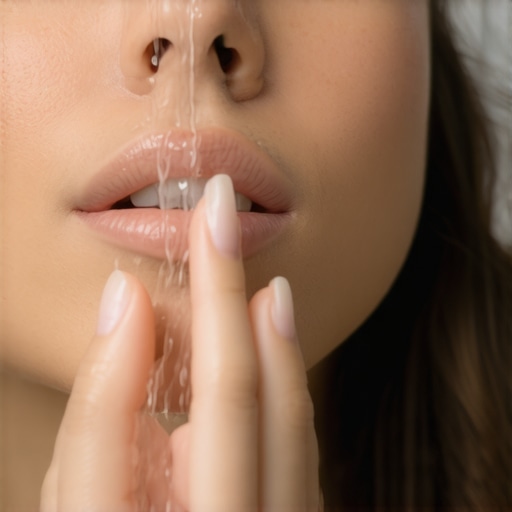
I remember sitting in that dental chair, my nerves on edge, heart pounding as the hygienist prepared to polish my teeth. Suddenly, that dreaded sharp zing shot through my teeth—something I hadn’t experienced before. It was a lightbulb moment for me—why was my teeth so sensitive just before a routine cleaning? I realized I wasn’t alone; many people face this uncomfortable surprise, and it can be downright discouraging. But here’s the good news: there’s a simple way to desensitize your teeth beforehand, making the appointment smoother and pain-free.
Why Sensitivity Before Cleaning Can Ruin Your Dental Experience
Dental visits are essential for maintaining a healthy smile, yet many of us delay or dread them because of unexpected tooth sensitivity. This discomfort can turn a routine cleaning into a painful ordeal, causing anxiety and even leading to skipped appointments. If you’re like I was, you might wonder, “Why are my teeth suddenly so sensitive?” My initial mistake was ignoring this sign, and I paid the price with extra discomfort and lost confidence in my oral health routine.
Health experts have shown that pre-existing sensitivity can be exacerbated by tartar buildup and enamel wear, making professional cleaning more uncomfortable. Fortunately, there’s a way to address this issue head-on. By desensitizing your teeth prior to your appointment, you’ll not only make the process easier but also improve your overall comfort and oral health. Curious about how to achieve this? Keep reading—I’ll walk you through my tried-and-true method.
Is Desensitizing Your Teeth Before a Cleaning Really Worth It?
Let me be honest—initially, I thought this was just another dental tip that wouldn’t make a difference. My early attempts were clumsy, and I didn’t see immediate results. That was a mistake I quickly learned from. The key is consistent application and choosing the right products. Trust me, ignoring this step only prolongs your discomfort. For more tips on maintaining your family’s bright smiles, check out Top Oral Health Tips.
Now that we’ve set the stage, let’s dive into how you can desensitize your teeth and enjoy a pain-free dental visit. It’s simpler than you think—and the payoff is well worth the effort. Ready to take control of your comfort during dental cleanings? Let’s go!
Prepare Your Teeth with Daily Desensitizing Routines
The first step I took was incorporating a desensitizing toothpaste into my daily oral hygiene. I chose a product containing potassium nitrate, which helps block nerve signals that cause sensitivity. I made a habit of brushing with it twice a day, especially focusing on the areas prone to sensitivity. This routine takes about two weeks to show noticeable benefits. To achieve this, apply the desensitizing paste using a soft-bristled brush, gently massaging the affected areas for about two minutes each time. Consistency is key; skipping days can delay results.
Add a Customized Flossing Strategy
Next, I tailored my flossing to target sensitive spots. I used a gentle, shred-resistant floss, avoiding aggressive motion that could irritate gums and enamel. I flossed slowly, curving the floss around each tooth and sliding gently beneath the gum line. This micro-movement prevents gum recession and helps remove plaque safely. I found that using a water flosser with a gentle setting was also effective, especially on sensitive teeth. Regular flossing loosens debris and tartar buildup, reducing pre-appointment discomfort.
Apply a Numbing Gel Before Bed
For immediate relief, I softened my pain by applying a small amount of over-the-counter numbing gel with benzocaine. I did this right before bed, allowing the medication to sit on the teeth overnight. This pre-treatment reduces the nerve response during cleaning. Be careful not to overuse or swallow the gel. Use a cotton swab or your finger to apply just a thin layer on the sensitive areas. Scheduling this step a few nights before your appointment can greatly diminish discomfort.
Adjust Your Diet to Minimize Erosion
This was an often-overlooked step that made a significant difference. I avoided acidic foods and drinks, like citrus, soda, or vinegar-based salads, for several days before my cleaning. Acid can erode enamel, increasing sensitivity. Instead, I opted for neutral foods like bananas, plain yogurt, and water. If you must indulge, rinse your mouth with water immediately afterward to neutralize acids. Proper nutrition helps maintain enamel integrity and reduces the risk of sensitivity spikes.
Schedule an Early Dental Appointment
Finally, I booked an early morning slot. Less time between my pre-treatment routines and the appointment meant my teeth were fresh and less irritated. When I arrived, I informed my hygienist about my sensitivity preparations. They appreciated the effort and adjusted their cleaning technique, using a gentle stream of water and slower polishing motions. Communicating your prep efforts ensures your dental team can further tailor their approach to keep your experience painless and effective.
Applying these steps consistently transformed my dental visits from painful to comfortable. Remember, desensitizing your teeth is a proactive process that, when integrated into your routine, can make a noticeable difference. For more insights on maintaining a healthy smile, explore top tips for your family’s oral health.Even seasoned dental patients often think they understand the fundamentals, but lurking beneath common assumptions are nuances that can make or break your oral health journey. One prevalent misbelief is that all dental crowns are similar, leading many to opt for cheap, quick fixes instead of durable, long-lasting restorations. Actually, the choice of crown material, like porcelain versus zirconia, impacts not just aesthetics but also functional longevity, especially in molar regions where chewing forces are substantial. Experts recommend consulting specialists to select the right crowns—an approach detailed in this guide.
Another widespread myth is that Invisalign is a quick, painless fix for teeth alignment. While it’s true that Invisalign aligns teeth discreetly, the advanced details often get overlooked. Properly managing attachments and aligner fit is crucial to prevent discomfort or extended treatment time. Many overlook the importance of strict patient compliance, which can lead to subpar results or extended durations. For those curious about the complexities beyond the surface, this article unpacks common misconceptions.
Misunderstandings also persist about family dentistry’s scope. Many believe it’s just about routine cleanings, yet, in reality, family dentists are front-line specialists in detecting early signs of systemic diseases that manifest orally, like diabetes or heart disease. Practitioners trained in latest trends now utilize predictive tools to identify these issues faster.
Beware of the trap of underestimating oral health’s complexity. For instance, some think that good brushing negates the need for flossing, but microbe buildup in hard-to-reach areas is a common cause of periodontal problems. Over time, neglecting these nuances can lead to costly restorative procedures, including crowns or implants. An advanced mistake is assuming all dental diseases are isolated issues; they often link with overall health. Studies link gum disease with cardiovascular health, reinforcing the need for a comprehensive approach—details found in this resource.
Most importantly, there’s a trap in delaying professional intervention. Many believe that minor issues will resolve on their own, but early detection often prevents more invasive and expensive treatments later. Regular checkups, combined with personalized care, ensure that procedures like crowns or Invisalign are optimally used to maintain your quality of life.
Have you ever fallen into this trap? Let me know in the comments. When you understand the nuances behind these dental solutions, you’re better equipped to make informed decisions that safeguard your family’s smiles for years to come.
Keeping It Working: Advanced Tips for Long-Term Oral Health Success
Ensuring your dental tools and treatment results stand the test of time requires more than just initial care; it involves consistent maintenance, the right equipment, and staying informed about evolving technologies. Personally, I rely on high-quality electric toothbrushes with smart features like position sensors to ensure optimal cleaning angles, which I find significantly improves plaque removal efficiency compared to manual brushing. Investing in a reliable model, such as the Oral-B Genius series, has transformed my daily routine and keeps my enamel in top shape. Additionally, I recommend regularly replacing brush heads—every three months or sooner if bristles fray—to prevent bacteria buildup and maintain effectiveness. This simple, proactive step has prevented many potential issues down the line.
For flossing, I switched to water flossers like Waterpik, which gently remove debris from hard-to-reach areas, especially around crowns or orthodontic appliances like Invisalign aligners. These devices are not only effective but also gentle enough for sensitive gums, helping to prolong the life of dental restorations and prevent periodontal issues. Consistent use complements your daily oral hygiene routine and preserves the health of your gums, ultimately extending the longevity of crowns and other restorations.
When it comes to long-term results with crowns and Invisalign, maintaining a personalized routine is key. Regular dental checkups allow your dentist to monitor the condition of restorations—addressing minor issues before they escalate. For crowns, I advocate understanding the materials used, such as zirconia or porcelain, since their durability can vary. As explained in this article, choosing the right crown enhances aesthetics and withstands biting forces, especially in molar regions.
Tracking your oral health status over time is increasingly managed through tools like digital health records and app-based reminders. I personally utilize a dental health app that sends me prompts to schedule cleanings and monitor oral hygiene habits, helping me stay proactive rather than reactive. This kind of technology not only simplifies maintenance but also predicts potential issues—like early signs of gum recession—allowing for targeted intervention.
Looking ahead, I believe the trend will shift toward smarter, AI-driven diagnostics that can predict and prevent problems before they manifest visibly. For example, saliva-based testing technologies are emerging that can detect early markers of decay or inflammation, providing personalized care plans. Keeping abreast of these innovations can empower you to make smarter choices and retain your beautiful, healthy smile for years to come.
How do I maintain my family’s oral health tools and results over time?
The secret lies in routine maintenance and technology. Regularly replacing components like toothbrush heads, utilizing gentle yet effective tools like water flossers, and scheduling periodic professional evaluations are crucial. I’ve also started using advanced breath analyzers that measure oral bacteria levels, offering immediate feedback and motivating my family to improve daily habits. To explore more about keeping your routine effective, visit our top tips for your family’s oral health.
For a detailed overview of long-lasting restorations, check out this guide.
Embracing these tools and habits today can significantly improve your long-term dental outcomes, ensuring that your smile remains vibrant and healthy. Don’t hesitate to try integrating a smart cleaning device or scheduling regular checkups—your future self will thank you.
What No One Tells You About Maintaining Your Smile
Over the years, I’ve learned that true dental confidence comes from more than just routine cleanings; it’s about understanding the intricate details that impact your long-term oral health. The biggest lightbulb moment for me was realizing that small habits, like choosing the right toothpaste or personalizing my flossing routine, make all the difference. These insights have propelled me to prioritize proactive care, knowing that every thoughtful step preserves not just my teeth but my overall well-being.
My Favorite Tools for Dental Durability You Can Trust
One game-changer in my routine is investing in a high-quality electric toothbrush equipped with smart features—like the Oral-B Genius series—that ensures every corner of my mouth receives thorough attention. Additionally, I swear by water flossers, which gently remove debris around crowns and aligners, extending their lifespan. These tools, combined with expert-recommended products like potassium nitrate desensitizing toothpaste, keep my smile resilient. For a comprehensive guide on long-lasting restorations, I recommend visiting this resource.
Embracing Change to Keep Your Smile Bright and Strong
Deciding to stay informed about emerging technologies and innovative practices has transformed how I approach my dental health. From digital health records to emerging saliva-based tests that detect early signs of decay, these advancements empower me to act before issues escalate. My advice? Dive into trusted sources and stay curious—your future self will thank you for making informed choices today. What’s one small change you could incorporate now that might protect your smile tomorrow? Share your thoughts below and start your journey toward enduring dental confidence.