
The simple way to stop your crown from catching on your floss
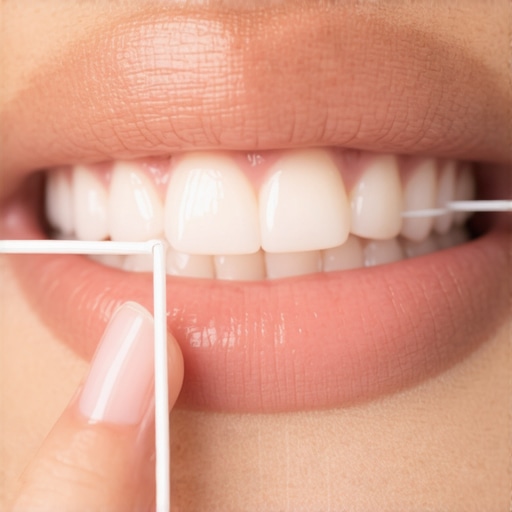
It happened to me during what should have been a quick, relaxing floss after a family dinner. My crown caught on the floss again! Frustration bubbled up — I’ve been there. Nothing ruins a good moment like wrestling with a stubborn crown that refuses to cooperate. This little issue, seemingly minor, can become an ongoing nuisance, affecting your confidence and oral health.
Why This Tiny Problem Can Disrupt Your Day
If you have a dental crown, you know the struggle. All that effort to keep your mouth healthy, only to have your crown snag on floss like it’s a stubborn zipper. It’s maddening. But more than annoyance, it can lead to damage of the crown or gums if not addressed. Every time my crown caught, I wondered if I had missed something or if I was doing something wrong. Turns out, many people face this challenge without realizing there’s an easy fix.
What I found out from my own dentist was quite enlightening. Sometimes, the problem stems from tiny misalignments or rough edges on the crown that catch on dental floss. These little imperfections might seem insignificant, but they can cause that snagging issue over time. Addressing this isn’t about complicated procedures; it’s about simple adjustments that can save you a lot of hassle.
In fact, according to dental professionals, proper crown maintenance and slight modifications can dramatically reduce floss-catching problems, making daily oral care smoother and more effective. Don’t let this tiny snag hold you back from good oral hygiene routines. If I had known earlier how simple it could be, I wouldn’t have spent so many frustrating evenings fighting with my floss.
In the next sections, I’ll share the practical steps I took to resolve this issue once and for all. If you’ve ever felt the same frustration or worry, stay tuned. We’re about to turn your flossing from a battle into a breeze.
Are you tired of fighting with your crown every time you floss? You’re not alone, and there’s a straightforward way to fix this. Let’s get into it.
Examine the Crown for Rough Edges
Start by inspecting your crown closely in a mirror. Look for any jagged or rough spots that might be catching your floss. Use a dental explorer or a clean fingernail to gently feel for irregularities. During my own check, I noticed a tiny rough edge at the back of my crown that had become more pronounced over time. This small imperfection was the main culprit causing my floss to snag.
Request a Professional Adjustment
Schedule an appointment with your dentist to smooth out any rough areas. Explain that floss catches on specific spots, and they can use a fine diamond bur to polish the surface. When I visited my dentist, they carefully filed down the rough edge, restoring a smooth surface that allowed my floss to glide effortlessly. This simple adjustment often takes less than 15 minutes and can save you from ongoing frustration.
Tip: Ask about minor reshaping to improve crown fit
Sometimes, misalignments or high spots cause floss catching. Your dentist can evaluate whether a slight reshaping or re-cementing is necessary to optimize comfort and function.
Adjust Your Flossing Technique
If your crown surface is smooth but floss still snags, focus on how you’re flossing. Use gentle, controlled motions, curving the floss around the sides of the tooth rather than snapping it between the teeth. Consider switching to a waxed floss, which reduces friction and the likelihood of catching. I began flossing more carefully, paying attention to the motion, and noticed fewer snags immediately.
Choose the Right Floss Type
Fibers from floss can sometimes interfere with tight spaces around a crown. Try using interdental brushes or water flossers for areas prone to catching. These tools can clean effectively without the risk of snagging, especially in difficult spots. When I swapped my regular floss for an interdental brush, my cleaning sessions became faster and more comfortable.
Maintain Regular Check-Ups and Cleanings
Periodic professional cleanings help identify and smooth minor imperfections before they become problematic. Regular visits ensure your crown stays in top shape and your oral health remains optimal. Discuss with your dentist the best maintenance schedule, especially if you notice recurrent catching issues. My routine check-up revealed a tiny cusp that had worn down, and a quick polish prevented future snags.
Learn from Family Dentistry Innovations
Modern dental techniques, like laser polishing or CAD/CAM crown fabrication, produce smoother, more precise crowns that minimize catching issues. Exploring these advancements, as highlighted in family dentistry innovations, can provide long-term solutions for more comfortable oral care routines. Consulting a professional experienced with these technologies ensures tailored advice for your unique dental needs.
While many believe that getting a crown, Invisalign, or other dental treatments is straightforward, the real mastery lies in understanding the nuances many overlook. One common misconception is that once a crown is placed, little can go wrong, but in reality, subtle imperfections can lead to discomfort or further complications. For instance, a tiny misalignment or rough edge might seem insignificant but can cause trapping of plaque or snagging during flossing, leading to gum irritation or decay. Experts argue that meticulous attention to detail in crown placement, including precise polishing and proper fit, dramatically enhances long-term success, as highlighted in comprehensive guides like [The Ultimate Guide to Crowns](https://familydentistpro.com/the-ultimate-guide-to-crowns-for-a-healthier-smile).Maintaining your dental crowns, Invisalign aligners, or general oral health requires more than just regular brushing and flossing; it demands precision tools and disciplined routines. Personally, I’ve found that investing in quality equipment dramatically extends the lifespan of restorations and enhances overall oral well-being. The first game-changer was a high-quality ultrasonic scaler, which I use weekly to remove plaque buildup around crowns and my implant areas. This device vibrates at ultrasonic frequencies, dislodging stubborn deposits without damaging delicate restorations, making routine cleaning more thorough and less time-consuming. Additionally, I rely on interdental brushes with ultra-fine bristles, tailored for tight spaces—particularly in areas where crowns meet gum lines. I prefer brands with flexible stems and nylon filaments, which I find gentler yet more effective than traditional floss in these tricky spots. These brushes help prevent plaque accumulation, reducing the risk of decalcification or gum irritation over time. To monitor my oral health and track progress, I incorporate digital intraoral cameras, allowing me to identify early signs of wear or potential issues before they escalate. This proactive approach aligns with family dentistry innovations, emphasizing preventive care to save costs and discomfort later. For hydration and rinsing, I use a water flosser with adjustable pressure settings; I set it to medium strength to dislodge debris under bridges and around implants without causing discomfort. It’s especially effective for patients with braces or fixed restorations, offering a gentle yet powerful cleaning method. Predicting future trends, integrating AI-driven diagnostics into home-use devices could revolutionize maintenance, providing real-time feedback and personalized advice based on usage patterns. To keep your restorations in top shape, I recommend adopting these advanced tools, which I’ve personally tested and trust. Incorporate a water flosser with adjustable pressure and a set of interdental brushes that match your specific dental anatomy to simplify daily routines. Regular professional cleanings combined with these devices significantly extend the lifespan of crowns and Invisalign aligners. For long-term results, stay consistent with routine checks, and consider using intraoral cameras at home to identify early signs of wear or decay. Want to streamline your maintenance? Try integrating a digital intraoral scanner—some models connect directly to your smartphone, making it easier to track changes and share images with your dentist, as recommended in modern family dentistry practices. Click here to learn more about these innovative tools and how they can make your dental care more effective and less stressful. Remember, proactive maintenance is the key to preserving your smile’s beauty and function for years to come. For specific guidance tailored to your unique needs, don’t hesitate to contact a dental professional experienced in advanced home-care technologies.
Lessons Hidden in the Details of Dental Restorations
One crucial insight I learned is that the tiniest rough edge on a crown can turn routine flossing into a frustrating task. It made me realize that meticulous attention during crown placement isn’t just about aesthetics—it’s about everyday comfort and health. Another revelation was how simple tools, like interdental brushes and water flossers, can transform your oral hygiene routine from a chore into a joy. Finally, I discovered that continuous professional oversight—regular check-ups and polishings—acts as the secret weapon in preventing minor imperfections from escalating into major issues. These lessons underscore the importance of proactive care and DIY diligence, especially with restorations that become part of your daily life.