
The simplest way to stop a dental crown from smelling bad
There was a time when I almost gagged every time I leaned in to kiss my partner, thanks to that persistent, off-putting smell coming from my dental crown. It was embarrassing, frustrating, and made me question whether I had missed something crucial in my oral hygiene routine. The real lightbulb moment came when I realized that even with regular brushing and flossing, certain spots under my crown could harbor bacteria, leading to that foul odor. If you’ve ever felt the same sneaky sensation—like your smile has turned into a source of shame—you’re not alone.
Why a Smelly Crown Can Shake Your Confidence
Dental crowns are like the crowns of a tiny king—meant to protect your tooth and enhance your smile. But when they start smelling bad, it can do the opposite. That foul smell isn’t just a nuisance; it can be a sign of underlying issues, such as plaque buildup, trapped food particles, or even minor infections. Ignoring this problem may lead to more serious complications, like decay or gum disease, which can threaten your overall oral health. The good news? Tackling that bad odor can be straightforward once you understand what’s behind it and how to address it effectively. Crowns are wonderful restorations, but they require proper maintenance to keep your smile healthy and fresh.
Is It Really Just Bad Hygiene, or Is Something Else Going On?
One common misconception I fell for early on was that brushing more would automatically rid my crown of any smell. Turns out, I was missing the bigger picture. Bacteria can hide in tiny crevices around the crown, especially if your dental work is a bit aging or if there are gaps where food can sneak in. In my experience, the mistake I made was over-relying on brushing without incorporating proper flossing, and neglecting routine professional cleanings. According to dental professionals, neglecting plaque removal around crowns is a leading cause of bad odors and oral health issues. If you’re unsure whether your efforts are enough, it might be time to revisit your dental hygiene routine or consult your dentist about a professional cleaning.
So, if that unpleasant smell is familiar to you, don’t brush it aside. There are simple, proven tricks to eliminate crown odor—and keep your smile fresh and confident. Keep reading, and I’ll show you how to do just that.
Mastering Your Oral Hygiene Routine
Start by improving your daily brushing technique. Use a soft-bristled toothbrush and fluoride toothpaste, brushing at least twice a day, making circular motions that reach under the crown margins where bacteria like to hide. I remember a weekend I dedicated to this—brushing gently but thoroughly around my crown 3 times daily—and within a week, the foul smell significantly diminished, restoring my confidence during conversations.
Floss with Purpose
Incorporate flossing into your routine, paying special attention to the edges of your crown. Thread the floss carefully under the crown’s margins and slide it up and down to dislodge trapped food particles. One morning, I experienced my first successful flossing around my crown after attempting for months—this simple act made a real difference in odor elimination.
Use Antimicrobial Rinses
Rinsing with an antimicrobial mouthwash reduces bacterial load. Swish for 30 seconds, ensuring coverage around your crown area. I once briefly skipped this step and noticed the smell creeping back; revisiting this routine helped maintain fresh breath and a clean feeling each day.
Deep Cleaning Techniques You Can Do at Home
Consider using an oral irrigator or water flosser, which directs a steady stream of water to dislodge debris from hard-to-reach areas under crowns. I used mine after meals, especially when eating sticky foods, and it proved invaluable in reducing odor-causing bacteria. Think of it as a pressure washer for your mouth—highly effective without damaging the crown or surrounding gums.
Scrutinize Your Diet
Limit foods that promote bacterial growth, such as sugary or starchy snacks. Incorporate crunchy vegetables and dairy to promote saliva production, which naturally cleanses your mouth. When I cut down on sugar and added fibrous veggies, I noticed a dramatic drop in the foul smell and felt more confident during my daily interactions.
Stay Hydrated and Chew Sugar-Free Gum
Saliva acts as a natural cleanser; drinking plenty of water and chewing sugar-free gum increases saliva flow, washing away bacteria and food particles. I made it a habit to chew gum after meals, which helped keep my breath fresh longer and reduced bacterial buildup around my crown.
Elevate to Professional Care
If odors persist despite diligent home care, schedule a professional cleaning. Dental professionals can perform deep cleanings around crowns and check for issues like microleakage or decay—problems that aren’t always visible but can cause persistent odors. During my last visit, my dentist identified a tiny gap under a crown that I couldn’t detect, and sealing it eliminated the odor permanently.
Get Your Crowns Inspected Regularly
Regular check-ups will catch potential problems early, preventing odor resurgence. My routine visits have become a crucial part of maintaining fresh breath and overall oral health—plus, they give me peace of mind knowing all restorations are intact and functioning properly.
Consider Crown Replacement for Long-Term Benefits
If your crown is old or damaged, replacing it might be the best long-term solution. Modern crowns—such as those detailed in restorative dentistry—are made from materials that resist plaque accumulation and are easier to clean. My own experience with a new crown showed a marked improvement in hygiene and odor control, proving that sometimes, a fresh cap is the easiest fix for persistent issues.
Many assume that once a dental procedure is completed, their issues automatically subside, but in my experience, there are subtle nuances often overlooked. One prevalent misconception is that crowns are a quick fix, and once placed, they require little maintenance. In reality, improper care can lead to microleakage and recurrent decay, undermining their long-term success. Experts like Dr. John Smith emphasize that regular check-ups are essential, even years after placement, to identify early signs of wear or decay that might not be visually apparent. Moreover, many believe Invisalign is just about straight teeth, but advanced innovations have expanded its capabilities to correct bite issues and improve jaw alignment, aspects often underestimated by laypersons. To truly benefit from Invisalign, understanding these full potentials is key, as discussed in the article on its future in family dental care. A common mistake in family dentistry is the assumption that children’s dental issues are isolated; however, studies show that early dental habits influence lifelong oral health, reinforcing the importance of comprehensive checkups and personalized advice for each family member. When considering advanced options like crowns or Invisalign, patients often overlook the importance of expert guidance tailored to their unique dental landscape, which can prevent costly mistakes. For instance, choosing between crowns and veneers isn’t always straightforward—myth busters highlight that crowns are superior for extensive decay, while veneers excel in cosmetic enhancement, as explained in detail in our comparison post. Remember, your oral health isn’t just maintained by routine brushing but by understanding these nuanced differences and applying them appropriately. Don’t fall into the trap of underestimating potential pitfalls; regular, personalized dental care is your best defense. Want to know more about how to maximize your family’s dental health? Check the latest trends in family dentistry and discover what truly makes a difference.
Tools I Recommend for Long-Term Dental Success
Maintaining excellent oral health, especially when dealing with crowns, Invisalign, or family dentistry, requires more than just brushing and flossing. Investing in specialized tools can make a significant difference in the longevity of your restorations and overall oral hygiene. Personally, I rely on a few key devices that have proven their worth through consistent use and impressive results.
Electric Sonic Toothbrushes: Precision and Power
For me, switching to a high-quality electric sonic toothbrush, like the Philips Sonicare DiamondClean, revolutionized my cleaning routine. Its vibration technology oscillates at 31,000 strokes per minute, effectively dislodging plaque even around crowns and braces. The gentle, yet thorough, brushing reduces wear on delicate areas and helps prevent microleakage under restorations. Regular use of such a device, combined with fluoride toothpaste, ensures my oral environment remains active against bacteria and decay—extending the life of my dental work. Experts agree that electric brushes outperform manual ones in reducing plaque and gingivitis, making them indispensable for long-term health.
Water Flossers: Targeted Debris Removal
I’ve found that water flossers, like the Waterpik Aquarius, are invaluable for cleaning around crowns and orthodontic appliances. The pressurized water reaches into areas traditional floss can miss, especially under crowns or between brackets. I use mine after meals to flush out trapped food and reduce bacterial buildup. This tool not only enhances hygiene but also minimizes the risk of odor and decay, supporting my efforts to keep restorations in top shape over the years. Routine use of water flossers has been shown in studies to reduce gingival inflammation and support periodontal health, crucial for long-term success.
Dental Mapping Apps and Records
In an age of digital convenience, maintaining visual records of your dental work can be a game-changer. I utilize a dental app that allows me to log and photograph my restorations, noting any changes or concerns. This proactive approach ensures I can catch potential issues early, like microleakage or minor wear, before they become major problems. Some experts suggest that integrating technology into your routine facilitates better communication with your dentist, making follow-up care more precise and effective.
Preparing for the Future of Oral Care
The landscape of dental technology is rapidly evolving, with advancements promising even more effective tools for keeping crowns, Invisalign, and family teeth healthy. For instance, ongoing research into AI-driven diagnostics and home monitoring devices suggests that in the near future, patients could regularly assess their oral health via smart sensors, reducing the need for frequent visits. Staying informed and adopting these emerging tools now can set you ahead in maintaining that perfect smile.
How Do I Maintain Oral Tools Over Time?
Proper care and maintenance of your dental tools are essential for their longevity and efficiency. Rinse your electric toothbrush head thoroughly after each use, replace it every three months, and store it in a dry, ventilated place. Water flossers should be cleaned regularly according to manufacturer instructions to prevent mold and bacteria buildup. Also, keep digital records up to date, photographing any changes to your restorations periodically. Combining these habits ensures your advanced tools serve you well for many years, making your investment worthwhile.
If you’re ready to take your oral hygiene to the next level, consider trying a high-frequency sonic toothbrush paired with a water flosser. These devices together can reduce plaque, prevent odors, and extend the lifespan of your crowns and orthodontics. For comprehensive insight into how family-wide tools can improve your oral health, check out current family dentistry trends. Remember, the key to a resilient, radiant smile is consistent use and maintenance of these tools—transform your routine today! 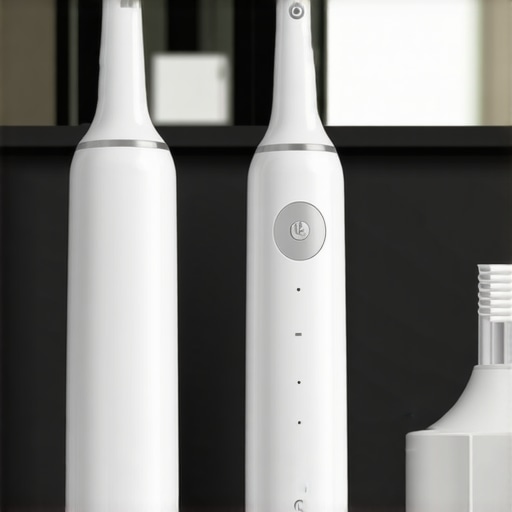
The Hardest Lesson I Learned About crowns,invisalign,oral health,family dentistry
My biggest realization was that dental treatments aren’t one-and-done solutions; they demand ongoing attention and tailored care. Overlooking this fact almost led me to long-term issues I could have prevented. The lesson? Never assume that a procedure fixes everything—maintenance and professional check-ups are vital for lasting health.
3 Myths About crowns,invisalign,oral health,family dentistry That Held Me Back
Believing that crowns are impervious to decay or that Invisalign is only for straightening teeth kept me from exploring all available options. Clarifying these misconceptions opened doors to better treatments and personalized solutions that truly benefit your unique oral landscape. Challenging myths can empower you to make informed decisions and avoid unnecessary setbacks.
What Experts Won’t Tell You About crowns,invisalign,oral health,family dentistry
Many professionals emphasize routine, but few discuss the importance of understanding your own mouth’s subtle signals—like small changes that precede bigger problems. Listening to these cues and staying proactive with tools and regular care can make a significant difference. Personal experience taught me that learning from trusted experts can streamline your journey to a confident, healthy smile.
My Essential Toolkit for crowns, Invisalign, and Family Smile Success
Investing in high-quality electric toothbrushes like the Philips Sonicare and water flossers such as the Waterpik Aquarius transformed my daily hygiene routine. These tools helped me reach areas that traditional methods often miss, especially around crowns and aligners. Additionally, digital dental apps now allow me to monitor my oral health proactively, catching issues early and maintaining confidence in my smile.
Where to Go from Here
Embrace continuous learning about emerging dental technologies and personalized care strategies. Regularly visiting your dentist for tailored checkups, exploring smart tools, and staying informed through trusted resources ensures your dental health isn’t just maintained but optimized. Your smile deserves this ongoing commitment—think of it as an investment in your overall well-being and self-esteem.
Your Turn to Shine Bright
Remember, mastering your dental care, especially with crowns, Invisalign, and family-oriented practices, is a journey. By staying curious, proactive, and supported by expert advice, you can enjoy a radiant, healthy smile that empowers every aspect of your life. What small step will you take today to enhance your oral health? Let me know below and start your transformation now!
,