
The specific move that stops Invisalign trays from scratching your tongue
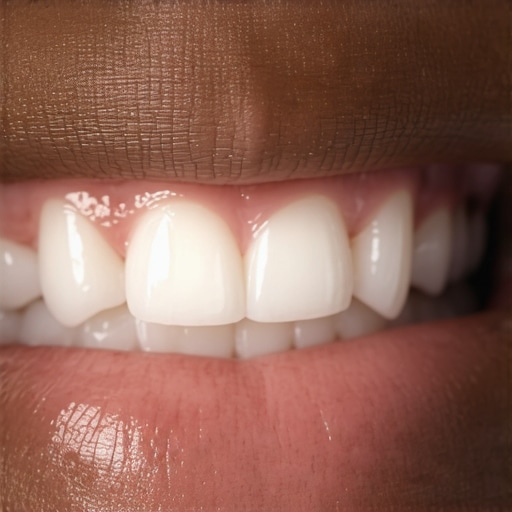
There I was, mid-conversation, when I suddenly felt a sharp, irritating scrape along my tongue. It wasn’t a cut or a sore—just this relentless, uncomfortable feeling that made me want to yank out my Invisalign trays right then and there. For weeks, I battled with this sensation, unnoticed at first, but gradually so irritating that I considered giving up on my smile makeover altogether.
The Lightbulb Moment That Changed Everything
Have You Ever Felt Your Invisalign Trays Are Tugging at Your Tongue?
That raw, scratched feeling on my tongue pushed me to dig deeper. Like many who wear Invisalign, I initially thought it was just part of the process—something to tolerate until my mouth adjusted. But it was more than that. I realized that some specific moves I was doing were intensifying the problem. And believe it or not, I made a mistake early on that worsened the discomfort. Instead of seeking expert advice, I tried to fix the fit myself, which only made the trays rougher and my tongue more irritated.
After some trial and error, I discovered a straightforward solution that I want to share. It’s a small tweak, but it made a huge difference. Curious to know how I stopped the trays from scratching my tongue? Keep reading, because what I’ll reveal is simple, effective, and could save you a lot of pain and frustration.
Adjusting Your Tray Fit for Comfort
Start by carefully inspecting your Invisalign trays for rough edges or misalignments. Use a clean, emery board to gently file down any sharp spots that might be causing tongue irritation. I remember a time when I noticed a small bump on my tray’s inner surface and used a fine-grit emery board to smooth it out, which instantly alleviated the discomfort. Always ensure the tray seats properly over all your teeth; a poorly fitted tray can exert uneven pressure, leading to irritation.
Check the Tray Seating
Place the tray in your mouth and press gently to ensure it fully seats onto your teeth. If it feels loose or wobbly, contact your orthodontist for a quick adjustment. Proper seating also helps distribute pressure evenly, preventing localized soreness and minimizing tongue scratches.
Technique for Handling Irritation
When your tongue starts to feel raw, avoid reacting impulsively. Instead, gently rinse your mouth with warm salt water to soothe irritation and reduce inflammation. A natural remedy I found useful was dissolving a teaspoon of sea salt in a cup of warm water and swishing it around for 30 seconds. This not only comforted my tongue but also helped prevent infection from small abrasions.
Using Oral Care Tips to Reduce Sensitivity
Maintaining exceptional oral hygiene is crucial. Floss daily to remove trapped food particles, and brush gently using a soft-bristled toothbrush at least twice a day. Incorporate antimicrobial mouthwash to help fight bacteria and keep your mouth healthy. Regular cleaning minimizes the buildup of plaque that can exacerbate discomfort and irritation.
Applying Protective Barriers
For persistent irritation, consider applying a dentist-approved dental wax over rough or sharp edges of your trays. This acts as a barrier, preventing direct contact with your tongue and cheeks. During my own experience, placing a small piece of wax on an irritating spot immediately reduced soreness and allowed me to wear my trays comfortably for longer periods.
Consider Using Softening Agents
Some patients find that applying a bit of coconut oil on their tongue and inner cheeks creates a soothing coat, reducing friction and preventing further scratches. Just ensure to rinse thoroughly afterward to avoid trapping bacteria inside your mouth.
Seeking Professional Assistance When Needed
If discomfort persists despite these adjustments, do not hesitate to consult your orthodontist. They might recommend custom trimming of your trays or suggest alternative solutions. Remember, a personalized approach ensures that your Invisalign treatment remains effective without compromising your oral comfort.
By following these concrete steps, you can significantly reduce tongue irritation and make your Invisalign journey more pleasant. Regularly reviewing your tray fit and practicing good oral hygiene are vital components of this process. For more insights on maintaining optimal oral health during Invisalign treatment, visit this helpful guide.
Many patients hold misconceptions about dental crowns, oral health routines, family dentistry, and Invisalign—beliefs that can hinder long-term success. For instance, a widespread myth is that all dental crowns are the same, but in reality, choosing the right type depends on individual needs, as discussed in [this comprehensive guide](https://familydentistpro.com/how-to-choose-the-right-crown-expert-advice-for-long-lasting-results). A common mistake is neglecting the significance of proper oral hygiene around crowns, leading to decay beneath the restoration, which many underestimate. It’s crucial to understand that crowns aren’t just cosmetic; they restore function and prevent further damage, emphasizing the importance of professional guidance. Moreover, some overlook the advanced advancements in family dentistry, such as laser treatments and digital impressions, which enhance comfort and accuracy—details covered in [modern family dentistry insights](https://familydentistpro.com/family-dentistry-secrets-maintaining-oral-health-with-modern-techniques-at-254-pm). When it comes to Invisalign, a nuanced error is assuming it’s suitable for everyone, yet certain bite issues may require alternative orthodontic solutions, as explored in [Invisalign myths debunked](https://familydentistpro.com/invisalign-myths-debunked-what-you-need-to-know-today). An advanced consideration is understanding the importance of compliance; simply wearing aligners isn’t enough—I advise patients to follow specific guidelines on tray wear time for optimal results. Ignoring this can lead to prolonged treatment or subpar outcomes. Additionally, a hidden nuance many miss is the potential impact of overlooked activities on oral health. For example, grinding or clenching, often unnoticed, can compromise both crowns and Invisalign effectiveness. Recognizing signs early and consulting professionals, as discussed [here](https://familydentistpro.com/why-your-gums-bleed-only-in-the-morning), helps prevent long-term complications. Be mindful that each aspect of dental care is interconnected; neglecting one facet can undermine the entire treatment plan. Always seek detailed assessments from specialists to avoid common pitfalls. Have you ever fallen into this trap? Let me know in the comments.
Ensuring your crowns, Invisalign devices, and overall oral health stay in top shape requires the right tools and a thoughtful maintenance routine. As someone deeply invested in advancing family dentistry techniques, I’ve found that integrating precise equipment and proven methods makes all the difference for long-term success.
Invest in Quality Instruments for Daily Care
First and foremost, using a soft-bristled, ADA-approved toothbrush is essential. I prefer the Oral-B Genius X because its oscillating-rotating technology effectively removes plaque without damaging sensitive restorations or gums. Pairing this with a high-quality interdental cleaner, like the Waterpik Traveler, allows me to clean hard-to-reach spaces safely and efficiently, which is crucial for maintaining crowns and preventing decay beneath veneers.
Personalized Digital Imaging Software Enhances Precision
For those considering Invisalign or planning future restorations, leveraging advanced digital tools is a game-changer. I recommend the Align Digital System, which provides high-resolution scans that help craft perfectly fitting aligners and crowns. The use of 3D imaging software, as outlined in this comprehensive guide, ensures that restorations are tailored to every individual’s unique anatomy, reducing discomfort and enhancing longevity.
Regular Maintenance and Monitoring Keep It Working
Beyond owning the right tools, establishing a consistent routine is vital. Daily brushing and flossing are foundational, but I also advocate for weekly use of fluoride rinses and the application of protective barrier wax over rough edges of trays or crowns to prevent irritation. Scheduling semiannual check-ups allows your dentist to evaluate the condition of your restorations and make adjustments before minor issues escalate.
Leverage Modern Tech for Long-Term Results
Emerging innovations, such as AI-powered oral health tracking apps like Dental Monitoring, offer real-time insights into your oral condition, flagging concerns early. As research in this field expands, my prediction is that wearable sensors and smartphone integrations will become standard, allowing for remote monitoring that catches problems before they become painful or costly.
Extend the Life of Your Restorations with Smart Tools
Finally, maintaining your crown or Invisalign trays isn’t a one-time effort. Incorporating a piezoelectric scaler at your regular cleanings, as demonstrated in this article, can help remove stubborn plaque without damaging intricate restorations. Also, applying a micro-abrasive polishing paste during professional cleanings can gently smooth rough surfaces, prolonging the material’s integrity.
To truly optimize durability, I challenge you to integrate a professional-grade ultrasonic cleaner for your retainers and trays. This device, which employs ultrasonic vibrations, effectively dislodges debris and biofilm, preventing long-term damage. Regular use of such tools, combined with a comprehensive oral hygiene routine, ensures your investment lasts much longer—and keeps your smile shining bright for years to come.
What I Wish I Had Known Before Starting My Invisalign Journey
- Stubborn rough edges on trays can cause unexpected tongue irritation—smooth them early for smoother sailing.
- Over-the-counter remedies like dental wax or coconut oil can provide instant relief from discomfort, but knowing when to seek professional help is key.
- Proper tray fit isn’t just about aesthetics; it directly impacts your comfort and treatment efficiency—stay vigilant about seating your aligners correctly.
- Maintaining impeccable oral hygiene during Invisalign treatment is crucial; neglect can lead to issues that undo your investment.
- Advanced digital tools and quality instruments are game-changers in sustaining long-term results and avoiding future complications.
Tools and Resources That Boost My Confidence in Family Dentistry
- Modern family dentistry insights—a must-read for understanding how innovative tech improves patient care.
- Top oral health tips—simple practices that keep everyone’s smile healthy and bright.
- Comprehensive crown guide—empowers you to make informed decisions about restorations.
- Invisalign advancements—a glimpse into how technology transforms orthodontic care.
Your Next Step in Achieving Confident Oral Health
Embarking on or continuing your journey with crowns, Invisalign, and overall family dental care is a personal commitment to a brighter, healthier smile. Remember, the knowledge you gather today becomes the foundation of your future confident smile. Stay proactive, seek expert advice when needed, and don’t hesitate to explore innovative tools designed to enhance your oral health. Every step you take now paves the way for a lifetime of benefits.
Have you ever faced a challenge with tray fitting or oral hygiene routines during Invisalign treatment? Share your experiences below—your insights could help others navigate their own smiles with confidence!
}#}#}#}#}#}#}#}#}#}#}#}#}#}#}#}#}#}#}#}#}#}#}#}#}#}#}#}#}#}#}#}#}#}#}#}#}#}#}#}#}#}#}#}#}#}#}#}#}#}#}#}#}#}#}#}#}#}#}#}#}#}#}#}#}#}#}#}#}#}#}#}#}#}#}#}#}#}#}#}#}#}#}#}#}#}#}#}#}#}#}#}#}#}#}#}#}#}#}#}#}#}#}#}#}#}#}#}#}#}#}#}#}#}#}#}#}#}#}#}#}#}#}#}#}#}#}#}#}#}#}#}#}#}#}#}#}#}#}#}#}#}#}#}#}#}#}#}#}#}#}#}#}#}#}#}#}#}#}#}#}#}#}#}#}#}#}#}#}#}#}#}#}#}#}#}#}#}#}#}#}#}#}#}#}#}#}#}#}#}#}#}#}#}#}#}#}#}#}#}#}#}#}#}#}#}#}#}#}#}#}#}#}#}#}#}#}#}#}#}#}#}#}#}#}#}#}#}#}#}#}#}#}#}#}#}#}#}#}#}#}#}#}#}#}#}#}#}#}#}#}#}#}#}#}#}#}#}#}#}#}#}#}#}#}#}#}#}#}#}#}#}#}#}#}#}#}#}#}#}#}#}#}#}#}#}#}#}#}#}#}#}#}#}#}#}#}#}#}#}#}#}#}#}#}#}#}#}#}#}#}#}#}#}#}#}#}#}#}#}#}#}#}#}#}#}#}#}#}#}#}#}#}#}#}#}#}#}#}#}#}#}#}#}#}#}#}#}#}#}#}#}#}#}#}#}#}#}#}#}#}#}#}#}#}#}#}#}#}#}#}#}#}#}#}#}#}#}#}#}#}#}#}#}#}#}#}#}#}#}#}#}#}#}#}#}#}#}#}#}#}#}#}#}#}#}#}#}#}#}#}#}#}#}#}#}#}#}#}#}#}#}#}#}#}#}#}#}#}#}#}#}#}#}#}#}#}#}#}#}#}#}#}#}#}#}#}#}#}#}#}#}#}#}#}#}#}#}#}#}#}#}#}#}#}#}#}#}#}#}#}#}#}#}#}#}#}#}#}#}#}#}#}#}#}#}#}#}#}#}#}#}#}#}#}#}#}#}#}#}#}#}#}#}#}#}#}#}#}#}#}#}#}#}#}#}#}#}#}#}#}#}#}#}#}#}#}#}#}#}#}#}#}#}#}#}#}#}#}#}#}#}#}#}#}#}#}#}#}#}#}#}#}#}#}#}#}#}#}#}#}#}#}#}#}#}#}#}#}#}#}#}#}#}#}#}#}#}#}#}#}#}#}#}#}#}#}#}#}#}#}#}#}#}#}#}#}#}#}#}#}#}#}#}#}#}#}#}#}#}#}#}#}#}#}#}#}#}#}#}#}#}#}#}#}#}#}#}#}#}#}#}#}#}#}#}#}#}#}#}#}#}#}#}#}#}#}#}#}#}#}#}#}#}#}#}#}#}#}#}#}#}#}#}#}#}#}#}#}#}#}#}#}#}#}#}#}#}#}#}#}#}#}#}#}#}#}#}#}#}#}#}#}#}#}#}#}#}#}#}#}#}#}#}#}#}#}#}#}#}#}#}#}#}#}#}#}#}#}#}#}#}#}#}#}#}#}#}#}#}#}#}#}#}#}#}#}#}#}#}#}#}#}#}#}#}#}#}#}#}#}#}#}#}#}#}#}#}#}#}#}#}#}#}#}#}#}#}#}#}#}#}#}#}#}#}#}#}#}#}#}#}#}#}#}#}#}#}#}#}#}#}#}#}#}#}#}#}#}#}#}#}#}#}#}#}#}#}#}#}#}#}#}#}#}#}#}#}#}#}#}#}#}#}#}#}#}#}#}#}#}#}#}#}#}#}#}#}#}#}#}#}#}#}#}#}#}#}#}#}#}#}#}#}#}#}#}#}#}#}#}#}#}#}#}#}#}#}#}#}#}#}#}#}#}#}#}#}#}#}#}#}#}#}#}#}#}#}#}#}#}#}#}#}#}#}#}#}#}#}#}#}#}#}#}#}#}#}#}#}#}#}#}#}#}#}#}#}#}#}#}#}#}#}#}#}#}#}#}#}#}#}#}#}#}#}#}#}#}#}#}#}#}#}#}#}#}#}#}#}#}#}#}#}#}#}#}#}#}#}#}#}#}#}#}#}#}#}#}#}#}#}#}#}#}#}#}#}#}#}#}#}#}#}#}#}#}#}#}#}#}#}#}#}#}#}#}#}#}#}#}#}#}#}#}#}#}#}#}#}#}#}#}#}#}#}#}#}#}#}#}#}#}#}#}#}#}#}#}#}#}#}#}#}#}#}#}#}#}#}#}#}#}#}#}#}#}#}#}#}#}#}#}#}#}#}#}#}#}#}#}#}#}#}#}#}#}#}#}#}#}#}#}#}#}#}#}#}#}#}#}#}#}#}#}#}#}#}#}#}#}#}#}#}#}#}#}#}#}#}#}#}#}#}#}#}#}#}#}#}#}#}#}#}#}#}#}#}#}#}#}#}#}#}#}#}#}#}#}#}#}#}#}#}#}#}#}#}#}#}#}#}#}#}#}#}#}#}#}#}#}#}#}#}#}#}#}#}#}#}#}#}#}#}#}#}#}#}#}#}#}#}#}#}#}#}#}#}#}#}#}#}#}#}#}#}#}#}#}#}#}#}#}#}#}#}#}#}#}#}#}#}#}#}#}#}#}#}#}#}#}#}#}#}#}#}#}#}#}#}#}#}#}#}#}#}#}#}#}#}#}#}#}#}#}#}#}#}#}#}#}#}#}#}#}#}#}#}#}#}#}#}#}#}#}#}#}#}#}#}#}#}#}#}#}#}#}#}#}#}#}#}#}#}#}#}#}#}#}#}#}#}#}#}#}#}#}#}#}#}#}#}#}#}#}#}#}#}#}#}#}#}#}#}#}#}#}#}#}#}#}#}#}#}#}#}#}#}#}#}#}#}#}#}#}#}#}#}#}#}#}#}#}#}#}#}#}#}#}#}#}#}#}#}#}#}#}#}#}#}#}#}#}#}#}#}#}#}#}#}#}#}#}#}#}#}#}#}#}#}#}#}#}#}#}#}#}#}#}#}#}#}#}#}#}#}#}#}#}#}#}#}#}#}#}#}#}#}#}#}#}#}#}#}#}#}#}#}#}#}#}#}#}#}#}#}#}#}#}#}#}#}#}#}#}#}#}#}#}#}#}#}#}#}#}#}#}#}#}#}#}#}#}#}#}#}#}#}#}#}#}#}#}#}#}#}#}#}#}#}#}#}#}#}#}#}#}#}#}#}#}#}#}#}#}#}#}#}#}#}#}#}#}#}#}#}#}#}#}#}#}#}#}#}#}#}#}#}#}#}#}#}#}#}#}#}#}#}#}#}#}#}#}#}#}#}#}#}#}#}#}#}#}#}#}#}#}#}#}#}#}#}#}#}#}#}#}#}#}#}#}#}#}#}#}#}#}#}#}#}#}#}#}#}#}#}#}#}#}#}#}#}#}#}#}#}#}#}#}#}#}#}#}#}#}#}#}#}#}#}#}#}#}#}#}#}#}#}#}#}#}#}#}#}#}#}#}#}#}#}#}#}#}#}#}#}#}#}#}#}#}#}#}#}#}#}#}#}#}#}#}#}#}#}#}