
The trick to eating an apple without damaging your veneers
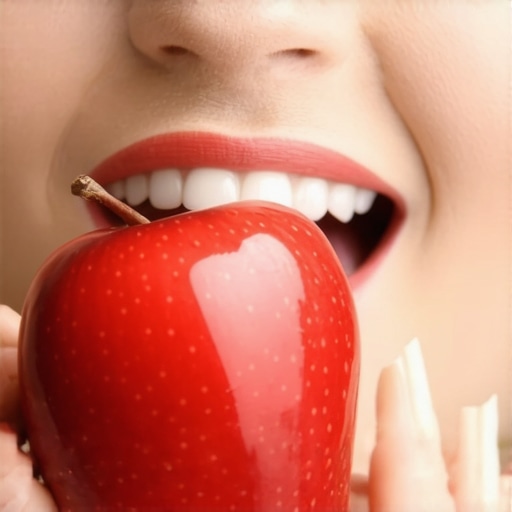
Ever since I got my veneers, biting into a crisp, juicy apple became a nervous affair. One wrong move, and I feared cracking or chipping my perfect smile — it was like trying to eat a ticking time bomb. I know I wasn’t alone in this struggle; many friends with crowns or veneers face the same dilemma. That lightbulb moment hit me when I realized I’d been approaching apples as if I was still my old self—ignoring the delicate new layer on my teeth. Have you ever experienced that rush of panic just thinking about biting into your favorite fruit? Well, I found a way to enjoy apples without risking my dental work, and today I want to share that secret with you.
The Hidden Challenge of Apples for Veneers and Crowns
Apples are a quintessential symbol of health and refreshment. But for those of us with veneers, crowns, or even Invisalign, biting into one can turn into a high-stakes game. The problem isn’t just about causing minor chipping; it’s about protecting the investments we’ve made in our smiles. I made a costly mistake early on—trying to bite directly into apples as I always had. That day, I cracked a veneer, and it was a costly trip to the dentist. This experience taught me that the way I approach apples needs a serious tweak. According to the American Dental Association, the force exerted during a regular bite can reach 200 pounds per square inch, which is enough to damage fragile dental restorations if not done correctly. So yes, the risk is real and something no one should ignore.
Is It Really Possible to Eat Apples Safely?
That question haunted me at first. I wondered whether modifications like cutting up the apple or chewing differently could make a difference. Early on, I also believed that avoiding apples altogether was the only safe route—until I discovered the technique I’ll reveal today. My initial mistake was simply ignoring the importance of mindful eating. I underestimated how much the way I bite impacts my veneers and crowns. Trust me, ignorance isn’t bliss here; it’s costly. If you’ve faced the dread of damaging your dental work, you know exactly what I mean. But don’t worry—I’ve tested and refined some simple tricks that can help you enjoy apples safely. Curious? Let’s dive into how you can do this without risking that vulnerable, expensive smile of yours.
Cut and Pre-Treat the Apple for Safer Bites
Start by slicing the apple into manageable pieces, about the size of your bite. I remember the first time I tried this—cutting an apple into thin slices using a sharp kitchen knife. It was messy at first, and I hesitated for a moment, fearing I might damage my veneers. But once I got the hang of it, I realized how much safer it was. Thin slices require less force when chewing, reducing the risk of cracking or chipping your dental work.
Choose the Right Knife and Technique
Use a sharp, sturdy knife and work on a stable cutting board. Hold the apple firmly and make clean, controlled slices. Think of it like slicing bread—smooth and even is best. The goal is to create bite-sized pieces that you can chew gently, avoiding the need for forceful bites. This simple step minimizes undue pressure on fragile restorations.
Adjust Your Bite and Chewing Style
Once you have your apple in slices, switch to a mindful chewing approach. Chew with your molars and keep your front teeth out of the equation until you’re comfortable. I adopted this method during a family picnic—initially, it felt odd, but I noticed I could savor my apple without worry. Chewing slowly and evenly distributes pressure, preventing concentrated force on one area.
Use Smaller Bites to Your Advantage
Take small bites and chew thoroughly before swallowing. Avoid tearing or pulling at the apple with your front teeth. Instead, let your molars do the heavy lifting. Remember, your crowns and veneers are more susceptible to damage under heavy load, so gentle is key. This technique is especially useful if you’re out and about and can’t cut the apple beforehand.
Perfect Your Position and Posture
Maintain an upright posture while eating. Sitting or standing straight helps control your bite and prevents accidental slips. I recall leaning over the picnic table and trying to eat quickly—that only increased the chance of mishaps. Keeping your head steady and aligned reduces the risk of biting down unevenly or applying too much force.
Stay Relaxed to Minimize Tension
Relax your jaw muscles and avoid clenching. Tension can lead to unintended bites with excessive force. During a recent outing, I consciously relaxed my jaw muscles and focused on a smooth chewing rhythm. This not only protected my dental work but also made the experience more enjoyable.
Additional Tips for Protecting Your Smile
If you want extra assurance, consider using a mouthguard or dental wax during meals—these act as cushions and barriers. I once tried a soft silicone guard, which made me feel more secure during apple bites. However, consult with your family dentist for personalized advice, especially if you’re unsure about your specific restorations or Invisalign trays. For expert guidance tailored to your needs, reaching out for a professional opinion is the best move—visit Family Dentist Pro.
Remember, patience and mindful techniques are your allies in enjoying your favorite foods without risking damage. Consistently practicing these steps will help preserve the longevity of your veneers, crowns, and bonding, keeping your smile bright and healthy for years to come.
Many people operate under misconceptions about oral health, family dentistry, crowns, and Invisalign that can inadvertently compromise their dental results. For example, a prevalent myth is that regular brushing alone guarantees cavity prevention. While brushing is essential, it overlooks factors like oral microbial balance and genetics. According to a 2020 study in the Journal of Dental Research, neglecting these factors can lead to higher rates of decay despite diligent brushing. Another misconception is that all crowns are the same; however, choosing the right material and technique significantly impacts longevity and health outcomes. Expert advice suggests consulting with a knowledgeable dentist to select the best option tailored to your needs, as highlighted in our article on the benefits of crowns for oral health.
Many assume Invisalign merely straightens teeth without affecting health, but the reality is more nuanced. Properly used, Invisalign can improve periodontal health by facilitating easier cleaning; poorly managed, however, misaligned trays can trap plaque and promote gum disease. A critical trap to avoid is believing that Invisalign treatment doesn’t require any change in oral hygiene habits. In fact, advanced research in the American Journal of Orthodontics indicates that neglecting proper cleaning during aligner therapy can lead to decalcification and white spots. Therefore, diligent cleaning routines are vital throughout treatment.
What advanced mistakes do even experienced patients overlook?
Let’s consider the subtle yet impactful issues, such as the importance of managing occlusion and bite forces during and after restorative procedures. Improper bite alignment—not just aesthetics—can cause uneven wear, TMJ disorders, or failure of crowns and veneers over time. An article from the Academy of General Dentistry emphasizes that even minor misalignments can dramatically reduce restoration lifespan if not properly addressed. For instance, neglecting the need for bite adjustments post-procedure can lead to restorative failure or discomfort, a topic often overlooked by patients eager for quick fixes. Always seek treatment from experienced professionals who understand these complex interactions. To ensure your restorations last and function optimally, consider consulting experts who stay abreast of the latest technical insights—reach out through our contact form. Remember, understanding the nuances in your dental care approach empowers you to make smarter choices and maintain your smile’s health longer.
Keeping Your Equipment in Top Shape to Protect Your Smile
Investing in quality dental tools and technology is essential for maintaining your oral health, especially when you have crowns, veneers, or Invisalign. I personally rely on a few specialized tools that ensure my dental appliances stay effective and long-lasting. First, I swear by an ultrasonic cleaner, like the Ultraschall Ultrasonic Dental Cleaner, to thoroughly remove plaque and debris from my retainers and aligners. This device uses high-frequency vibrations that reach into tiny crevices, something manual brushing can’t always achieve. Using such advanced cleaning methods prolongs the lifespan of your aligners and prevents bacterial buildup, which could lead to decalcification or staining.
Another key tool I use regularly is a water flosser, specifically the Waterpik Aquarius. For those with crowns or bridges, flossing can be tricky; the water flosser provides effective interdental cleaning without risking damage. It’s especially helpful in dislodging food particles around sensitive restorations. Moreover, I recommend an articulating paper for checking your bite after recent procedures—ensuring your occlusion remains balanced, which is crucial for the longevity of crowns and veneers. Regularly inspecting your dental work with these tools is part of my routine to catch issues early before they turn into costly repairs.
On the software side, I’ve adopted a subscription to my dentist’s recommended oral health app, like Dental Monitoring. It allows me to track my progress and receive professional feedback remotely, giving me peace of mind between visits. Technologies like these are shaping the future of family dentistry, making maintenance smarter and more personalized. As trends advance, expect to see even more AI-driven diagnostic tools that can detect early signs of wear or decay, potentially preventing bigger problems down the line. Staying ahead with proper maintenance tools is key to protecting your investments and ensuring your smile stays confident for years to come.
How do I maintain my dental restorations over time?
To keep your crowns, veneers, and Invisalign in prime condition, consistent use of specialized tools and routine professional checkups are essential. Regular professional cleanings that incorporate ultrasonic devices and polishing help prevent plaque accumulation at the margins—an area prone to decay if neglected. Additionally, an ongoing commitment to proper cleaning routines, like using water flossers and disinfectant tablets for aligners, keeps everything in good shape. For personalized advice tailored to your specific dental arrangements, don’t hesitate to reach out to your dentist for an in-depth maintenance plan. Remember, incorporating these advanced techniques now can save you significant time and money in the future, all while preserving your brightest smile. The future of dental care leans heavily on smart technology integration—be among the early adopters and benefit from cutting-edge solutions to keep your dental work working effectively long-term.
Lessons That Changed My Bite Strategy
One of the hardest lessons I learned was that even a tiny slip can jeopardize years of dental investments. I once thought that avoiding biting directly into apples was overkill, but after my veneer cracked, I realized the importance of respecting my new smile. Now, I always cut my apples into manageable slices, and it has saved me from future mishaps. This experience taught me that mindful eating isn’t just a suggestion—it’s a necessity if you want your dental restorations to last.
Another revelation came with understanding the force behind a simple bite. The American Dental Association reports that a standard bite can exert up to 200 pounds per square inch—more than enough to damage delicate veneers or crowns. Recognizing my own biting habits, I started chewing slowly and deliberately, which not only protected my dental work but also made eating more enjoyable and less stressful.
Finally, I discovered that posture and jaw relaxation play surprisingly significant roles. Sitting upright and relaxing my jaw muscles helped me control my bite better. It sounds simple, but these small adjustments profoundly reduced the risk of accidental damage during meals, especially when enjoying something as tempting as a fresh apple.
Tools That Make a Difference in Care
My secret weapon is a high-quality ultrasonic cleaner. Regularly cleaning my aligners and dental appliances prevents debris buildup that could cause staining or decay. Pairing this with a water flosser has transformed my interdental hygiene, especially around crowns and veneers. Additionally, I trust my dentist’s recommended oral health app to monitor progress and get expert feedback between visits. These tools are game-changers for anyone serious about protecting their smile—discover more about innovative family dentistry techniques here.
Your Smile, Your Power—Take Action Today
Remember, enjoying your favorite foods while maintaining your dental investments isn’t just possible—it’s within your control. By adopting simple habits like cutting apples into slices, chewing slowly, and using the right tools, you can safeguard your smile against unexpected mishaps. Your journey toward a healthier, more confident smile starts now—embrace these tips and keep that radiant grin shining. Need personalized advice? Reach out to us for expert guidance here.