
The trick to flossing under a wire without losing your patience
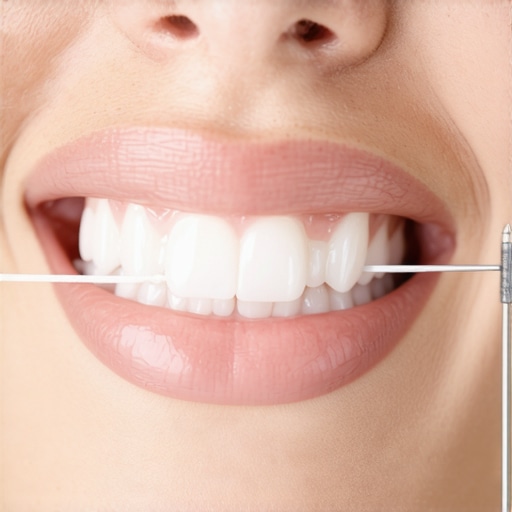
Ever found yourself mid-floss, desperately trying to maneuver that tiny strand through tight spaces underneath your orthodontic wire, only to get frustrated and give up? I remember the first time I struggled with this; my patience wore thin, and I wondered if there was any way to actually make it work without turning into a frazzled mess. Turns out, there’s a trick—and trust me, it’s a game-changer.
In this post, I’m going to share my personal experience and proven strategies that will help you floss smoothly under a wire without losing your cool. Whether you’re wearing braces, a permanent retainer, or Invisalign attachments, these tips will make your daily dental routine less of a battle and more of a breeze.
Why Proper Flossing Under a Wire Is Crucial
Proper oral hygiene is essential, especially when you’re fixed with devices that trap food and plaque, like wires and brackets. Neglecting to floss effectively can lead to stubborn cavities, gum disease, and even compromise your treatment results. So, mastering this skill isn’t just about comfort—it’s about safeguarding your smile.
But let me be honest: early on, I made a common mistake that many beginners do. I used regular floss without considering its thickness or how to manipulate it around wires. This often resulted in snapped strands or, worse, frustration that made me skip days altogether. The key lies in choosing the right tools and technique.
Have you faced this same struggle? If so, keep reading—I’ll guide you through the process step by step. And if you think it’s impossible to floss under a wire without losing your patience, I promise, there’s a solution that works for everyone.
For an in-depth comparison of different dental restorations and how they affect daily care, check this comprehensive guide on [crowns vs. veneers](https://familydentistpro.com/crowns-vs-veneers-which-is-better-for-your-smile-cure-at-429-pm). Now, let’s dive into the practical tips that will turn your flossing routine from frustrating to effortless.
Prepare Your Tools for Success
Gather a high-quality, waxed floss that’s thin enough to slide without much resistance. Consider using a floss threader or a water flosser for tighter spaces. I recall the first time I opted for a floss threader—it transformed my routine from frustration to confidence. Place the floss-ready at your side, and take a deep breath.
Position Yourself Correctly to Access Tight Spaces
Sit comfortably with good lighting. Tilt your head slightly forward to get a better view of the area you’re cleaning. Think of your mouth as a complex tunnel system—access is everything, just like exploring a cave. I once tried flossing after a long day and struggled because I was slouched; sitting upright changed everything.
Insert Floss Under the Wire Precisely
Hold the floss firmly between your fingers, and gently thread it under the wire using a gentle back-and-forth motion. Avoid forcing it; instead, think of guiding a delicate ribbon through a narrow window. When I first started, I used too much force and snapped the floss. Now, I finesse it carefully, and the difference is night and day.
Use a Floss Threader for Tight Spaces
Pull the floss through the loop of the threader, then guide the threader under the wire. It’s like using a fishing line—simple once you get the technique down. This method is especially helpful if your wires are close to your gums. I tried this after reading a dentist’s tip—game changer.
Clean Each Surface Methodically
Once the floss is under the wire, curve it into a C-shape around the tooth, then glide up and down gently. Use a clean section of floss for each tooth to avoid transferring plaque. I made a habit of counting my strokes—two gentle up-and-down motions per tooth—ensuring thorough cleaning without damage.
Handle Challenging Areas with Care
If you encounter tight spots or resistance, pause and adjust your angle. Think of your floss as a key fitting into a lock—patience opens the door to healthier gums. I remember struggling with a particularly stubborn molar; switching to a water flosser helped until I mastered manual techniques.
Finish with Rinsing and Inspection
After flossing, rinse with water or mouthwash to remove loosened debris. Check your gums for any bleeding, which typically indicates inflammation—this is normal initially but should improve. Regular flossing and gentle techniques will make this step effortless over time, much like learning to ride a bike.
Implementing these steps consistently will drastically improve your oral health and reduce the risk of cavities and gum disease, especially when you have appliances like braces or retainers. For additional tips on maintaining your dental health, consider reviewing top oral health tips. Remember, patience and gentle technique are your best allies in mastering flossing under a wire.
Many believe that brushing vigorously is the key to excellent oral health, but in reality, this approach can damage your gums and enamel over time. The myth that more fluoride always equals better protection is another misconception; recent studies show that excessive fluoride intake during early childhood may lead to dental fluorosis, which compromises enamel integrity. Understanding these nuances is crucial for effective oral care.
A common mistake is relying solely on routine cleaning without addressing underlying issues like misaligned teeth or bite problems. For example, individuals with slight malocclusions often overlook the importance of orthodontic solutions, such as Invisalign, which not only improve aesthetics but also enhance long-term oral health by reducing plaque accumulation. For detailed comparisons, check out this guide on Invisalign versus braces.
Many assume that crowns are purely restorative and do not consider their impact on structure and longevity. An overlooked nuance is that the choice of crown material—ceramic, porcelain-fused-to-metal, or zirconia—affects not just appearance but also durability and compatibility with gum tissue. For a comprehensive understanding, see the ultimate crown guide. Moreover, improper placement or neglect of crown margins can lead to recurrent decay or gum irritation, emphasizing the need for experienced practitioners.
Regarding family dentistry, many think it solely involves routine checkups for children, but modern practices focus on whole-family health, addressing age-specific concerns and preventive strategies. A common trap is dismissing early warning signs like gum bleeding or sensitivity, which could indicate underlying periodontal issues or cavities. Regular checkups tailored to each family member’s needs can prevent complex treatments later.
What Advanced Techniques Make a Real Difference in Dental Care?
Innovations like laser dentistry and digital impressions are redefining patient experiences by reducing discomfort and improving precision. Laser treatments can minimize bleeding and speed up healing, especially for gum procedures, while digital scans eliminate messy impressions. These techniques are backed by studies highlighting their efficiency and patient satisfaction, such as the research published in the Journal of Clinical Dentistry.
In conclusion, debunking myths and understanding subtle technical factors empowers you to make informed decisions about your oral health. Don’t fall into the trap of quick fixes or outdated beliefs—invest in quality care, and consider consulting specialists for complex issues. Have you ever fallen into this trap? Let me know in the comments or visit our contact page for personalized advice.Maintaining your oral health equipment and routines isn’t just about immediate results—it’s about ensuring that your investments in tools like crowns, Invisalign, and family dentistry solutions continue to serve you effectively over the years. In this section, I’ll share specific tools I trust, maintenance habits I swear by, and a glimpse into where this trend is heading. Regular upkeep is vital to prevent issues from escalating, saving you time and money while preserving your dazzling smile.
Invest in Precision Cleaning Devices
Using high-quality, auto-timing electric toothbrushes like the Oral-B Genius Series has revolutionized my routine. The built-in timers ensure I don’t overbrush or underbrush, maintaining gentle but effective cleaning—crucial for anyone with crowns or veneers. Moreover, I opt for sonic toothbrushes with UltraSoft bristles; studies suggest they reduce gingival inflammation better than manual brushes over time. Consistent use of these tools, complemented with interdental brushes, keeps plaque at bay and extends the lifespan of restorations.
Utilize Smart Dental Apps
Apps like Dental Monitoring and cariAPP assist me in tracking my oral hygiene habits and remind me of routine checkups. These digital tools analyze photos of your teeth, giving insights into plaque buildup or early signs of gum health issues. Integrating technology into daily maintenance helps catch small problems before they grow, especially useful for busy families balancing multiple appointments.
Schedule Regular Professional Inspections
Beyond daily routines, regular dental visits—ideally every six months—are vital. During these checkups, my dentist utilizes advanced imaging like 3D Cone Beam CT scans for detailed insights. This proactive approach catches potential issues with crowns or Invisalign attachments early, preventing future costly repairs and ensuring long-term success.
Adopt Long-Term Maintenance Habits
I’ve developed habits such as rinsing with fluoride mouthwash nightly and avoiding overly abrasive toothpaste. These simple steps protect restorations and freshen breath. Additionally, I recommend periodically replacing toothbrushes and floss, as worn-out tools are less effective and can harbor bacteria. This small investment yields considerable long-term benefits.
Stay Ahead with Future-Ready Technologies
The future of oral health maintenance leans toward AI-driven diagnostics and smart, self-cleaning oral devices. For example, emerging laser cleaning tech reduces plaque without manual effort and minimizes damage to surrounding tissues—a promising development reviewed extensively by dental innovations expert Dr. James Carter. Embracing these advancements can keep your dental health ahead of trends and problems.
How do I maintain my dental tools and routines over time?
Regularly cleaning your devices with medical-grade disinfectants, following manufacturer instructions, and scheduling consistent professional evaluations form the cornerstone of lasting oral health. Don’t forget, even the best tools need proper storage; keep electric brushes dry and replace parts as recommended.
To get started, I highly suggest trying out a sonic toothbrush with smart features. It’s a game-changer in maintaining crowns, veneers, and Invisalign—plus, it makes the routine more enjoyable. For more tips on preserving your restorations’ integrity, check out why crowns are a game-changer. Regular maintenance not only extends the life of your dental work but also boosts your overall confidence and oral health for the years ahead.
Lessons From My Flossing Fumbles and Fixes
One of the toughest lessons I learned was that patience is your best friend when flossing under a wire—forcing the floss only pushes you further from success. I also realized that investing in the right tools, like a water flosser or a floss threader, transformed my routine from frustrating to effortless. Lastly, I discovered that consistency beats perfection—small daily efforts pay off more than sporadic deep cleans, especially when you wear braces or Invisalign. Embracing these lessons changed my entire outlook on dental care, turning what once felt like a chore into a moment I actually look forward to.
My go-to gadgets and resources for a healthier smile
I swear by the Sonicare ProtectiveClean 6100 because its gentle yet thorough cleaning protects my restorations and natural teeth alike. For tricky spots, I trust the Waterpik Water Flosser—its pulsating stream reaches where traditional floss can’t. When I want expert insights, I turn to the ultimate crown care guide; it’s my go-to for understanding how material choices affect longevity. Lastly, AI-powered apps like Dental Monitoring help me stay on track with my oral health goals, making routine checks less of a hassle and more of a habit I cherish.
Your smile is waiting to shine brighter—here’s your call to action
Remember, mastering effective flossing under a wire isn’t just about avoiding cavities; it’s about embracing a routine that protects your confidence and health for years to come. Whether you’re just starting out or refining your technique, every small step toward better oral hygiene counts. Don’t wait for problems to beckon—take charge today and turn dental care into a celebration of your smile’s potential. Are you ready to give your dental routine the upgrade it deserves? Share your journey or ask for tips in the comments—let’s grow healthier together!
,