
The trick to making flossing easier with small hands
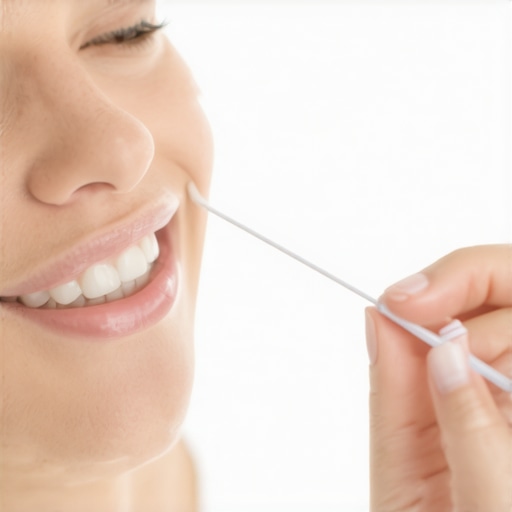
It was one of those mornings when I looked into the mirror and realized I’d skipped flossing again. My small hands fumbled with that tiny string, frustration mounting as I struggled to get between my back molars. I’ve always had a bit of a challenge when it comes to flossing, especially given my smaller hands — it feels awkward, almost like trying to thread a needle with mittens on. If you’ve ever felt the same way, I get it. Flossing should be straightforward, but for those of us with tiny fingers, it can seem like an impossible task that’s just not worth the hassle.
Why Flossing Often Feels Like a Chore for Small Hands
For years, I’d skip or rush through my flossing routine, knowing deep down that I was risking gum disease and cavities. The truth is, the standard flossing tools aren’t always designed with small hands in mind. They can be too bulky or slippery, making maneuvering around your teeth a major challenge. Early on, I made the mistake of thinking I needed to buy the fancy, high-tech floss picks or spend extra on ergonomic handles. Turns out, simple tweaks and tips make a world of difference.
What I’ve learned from my own experience is that the goal isn’t just to floss — it’s to do it comfortably, consistently, and effectively. So, if you’re like me and your little hands struggle with regular floss, stick around. I’m going to share the tricks I’ve picked up that help me floss with ease, even in tight spaces. After all, maintaining oral health shouldn’t be a battle every morning.
Did you know that failing to floss can lead to plaque buildup that increases your risk of gingivitis? According to the American Dental Association, daily flossing can significantly reduce gum disease and tooth decay. That’s a pretty compelling reason to find a method that works for YOU, no matter the size of your hands.
Let’s dive into the practical steps to make flossing the easiest part of your dental care routine. I promise, with these tips, you might even find yourself looking forward to it.
Choose the Right Flossing Tools
Start with waxed, thin floss that glides easily between tight teeth, reducing frustration and saving time. I recommend sliding a length of about 18 inches around your fingers, giving you control while avoiding slack that can snag or break. Once, I used stiff, unwaxed floss, which tore easily—switching to waxed floss made my routine smoother and more effective.
Master the Proper Flossing Technique
Position Your Fingers Correctly
Hold the floss tightly with your thumbs and forefingers, about an inch of floss between them. Use gentle, zigzag motions to guide the floss into the space, avoiding snapping or forcing it. I once tried to force the floss into a tight space, causing gum soreness; gentle wiggling did the trick instead, preventing damage.
Reach Every Tooth and Groove
Curve the floss into a C-shape around each tooth, sliding beneath the gumline. This contact is crucial—it’s where plaque hides. I remember spending extra time on molars with deep pits, finding that slow, deliberate movements prevented bleeding and increased cleanliness. Use your index fingers for better control in hard-to-reach areas.
Address Tight Spaces with Micro-Tools
If flossing feels awkward due to small hands, consider using floss picks with ergonomic designs or interdental brushes. I found that small, flexible picks with a curved handle fit comfortably in my hand and made reaching back molars easier. Incorporating these tools reduced my time and improved my technique, ensuring thorough cleaning without frustration. For more options, visit family dentistry tips.
Incorporate Flossing into Your Routine
Consistency is vital. Schedule flossing right after brushing to maximize plaque removal. I set a reminder on my phone; initially, I skipped mornings, but making it a non-negotiable part of my routine improved gum health noticeably. Remember, neglecting flossing can lead to plaque buildup that contributes to cavities and gum disease, as supported by dental studies.
Maintain and Improve Your Technique Over Time
Regularly assess your flossing method by viewing yourself in a mirror or recording a short video. Look for signs like bleeding or missed spots, then adjust your approach accordingly. If you experience persistent gum bleeding, consider consulting your dentist or exploring issues like gum disease. For detailed guidance, read simple flossing tests.
Many patients assume that once they’ve visited the dentist, they fully understand their oral health. However, misconceptions and oversimplifications are rampant, leading to common mistakes that can undermine even the best treatment plans. Let’s explore some hidden nuances and myths that often trip people up, so you can stay ahead of potential pitfalls.
Are All Dental Restorations Created Equal? Think Again
There’s a widespread belief that crowns, veneers, and other restorations are just cosmetic upgrades. In reality, each serves a unique function and requires distinct care. For example, many assume that crowns are purely aesthetic, but they’re crucial for protecting weakened teeth and maintaining bite function. Misunderstanding their purpose can lead to neglect or improper care, risking premature failure. For deeper insights, check out this comprehensive guide to crowns.
The Hidden Trap of Overlooking Family Dentistry’s Broader Benefits
While cosmetic procedures often steal the spotlight, the core of family dentistry is prevention and early intervention. Skipping regular checkups or ignoring minor issues can snowball into costly and complex treatments later on. I often see patients who focus solely on whitening or straightening but neglect basic maintenance, like sealants or professional cleanings, which are foundational for long-term health. Remember, your family’s oral health is more than just bright smiles—it’s about preventing disease before it starts. Discover the latest top oral health tips for your family.
Myth: Invisalign is Just About Looks
Many believe Invisalign is only a cosmetic solution, but its benefits extend far beyond aesthetics. Properly aligned teeth help with functional issues like bite problems, speech, and even jaw pain, which can be overlooked. Advanced cases require meticulous planning to avoid unintended consequences such as misalignment or TMJ issues. In fact, new innovations in aligner technology are pushing the boundaries of what Invisalign can achieve. For an expert’s perspective, see this comparison between Invisalign and braces.
Are You Falling for the Myths About Wisdom Films and Dental Crowns?
One common misconception is that dental crowns are invincible and last forever. However, they are susceptible to chipping, slipping, or even cracking if not properly maintained. Many patients also believe that crowns don’t stain—truthfully, porcelain crowns can discolor over time if exposed to staining agents like coffee or tobacco. Regular checkups allow your dentist to catch early signs of wear or staining. Don’t miss this article on crown longevity for expert tips.
Now, consider your current routines—are you unknowingly making mistakes that could compromise your dental work or health? Stay vigilant, question assumptions, and maintain open communication with your family dentist. Remember, understanding the nuances can save you time, money, and discomfort in the long run.
Have you ever fallen into this trap? Let me know in the comments.
Maintaining excellent oral health over the long term requires more than just good habits; it demands the right tools and methods to support your routine. From advanced flossing devices to digital monitoring, choosing the right equipment makes all the difference in ensuring your teeth and gums stay healthy and functional. In this post, I’ll share my personal toolkit, explain why each item is essential, and discuss where future innovations are headed to make dental care even more efficient.
Precision Flossing Tools That Make a Difference
I’ve found that traditional floss can be tricky, especially for small hands or those with tight contacts between teeth. That’s why I use waxed, ultra-thin floss like Oral-B Glide Pro-Health, which easily glides into tight spaces without breaking. Additionally, I swear by floss picks with ergonomic handles, such as the DentalPro Flex, because their design grants better control and reduces hand fatigue. These tools help me maintain consistent, effective flossing, preventing plaque buildup that could undermine restorative work like crowns or veneers. As dental technology advances, I predict a rise in smart flossing devices that monitor pressure and coverage, creating a more personalized and efficient routine.
Electronic and Micro-Tools for Spot-On Maintenance
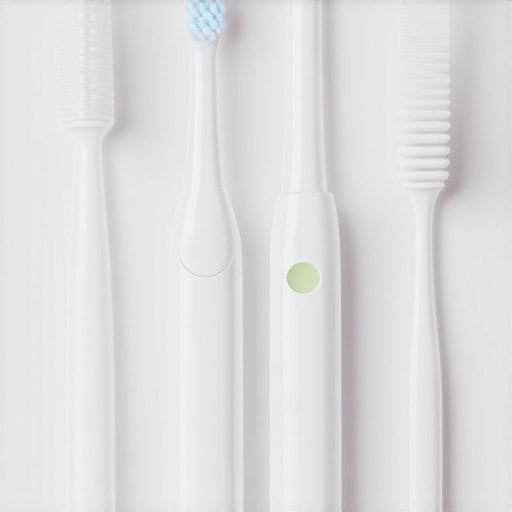
Cleaning hard-to-reach areas with manual tools can be frustrating. That’s why I incorporate interdental brushes like the TePe Interdental Brush in small sizes around my dental work and tight contacts. They’re particularly helpful for keeping crowns and bridges free of debris and plaque. For regular checkups, I utilize ultrasonic plaque removers such as the Sonicare AirFloss, which help dislodge stubborn buildup without damaging sensitive gum tissue. These tools, combined with a high-quality electric toothbrush like the Philips Sonicare DiamondClean, ensure a thorough clean every day, complementing professional maintenance visits and extending the lifespan of restorations. In the coming years, expect AI-powered toothbrushes that adapt to your specific needs in real time.
Tracking and Scheduling with Digital Aids
Staying consistent is often the hardest part of long-term dental health. I rely on apps like Toothpic, which connect me with my dentist for remote check-ins and tailored advice. Calendar reminders and digital floss timers also help me not skip routine maintenance. These technologies improve motivation and accountability, making it easier to sustain daily habits. As telehealth and smart dental devices evolve, integrating continuous monitoring with your routine will become more commonplace, empowering patients to catch issues early and facilitate timely professional intervention.
How do I keep my tools effective over time?
Proper maintenance of your dental tools is crucial. Rinse interdental brushes and floss picks thoroughly after use, and replace them every three months or sooner if frayed or worn. Regularly check your electric toothbrush’s head and replace it at recommended intervals—most manufacturers suggest every three months—to maintain optimal cleaning performance. Wireless, rechargeable devices also benefit from occasional deep cleaning of their charging bases to prevent dust buildup. Staying vigilant about tool hygiene and replacement ensures your equipment continues to support your oral health effectively, preventing micro-organisms from reentering your mouth. To learn more about maintaining your dental tools, visit our privacy policy for tips on data and device security.
The Future of Dental Maintenance and Why It Excites Me
Emerging technologies like AI-powered monitoring systems and smart aligners are set to revolutionize how we manage oral health. These tools will provide real-time feedback and predictive analytics, enabling proactive care rather than reactive treatments. For instance, innovations like Invisalign’s latest smart aligners continuously track tooth movement and improve treatment efficiency, while dental apps are beginning to incorporate AI diagnostics based on patient photos. As these advancements become more accessible, maintaining long-term oral health will become less about manual efforts and more about personalized, data-driven strategies. I recommend trying out one of the latest smart tools to experience firsthand how technology can simplify your routine and enhance results.
Continuing to invest in the right tools, staying disciplined with maintenance, and embracing upcoming tech will ensure your smile remains healthy and confident for years to come. Remember, consistent care supported by the best equipment is the secret to long-lasting results. Want to elevate your dental routine? Start by trying a high-tech interdental brush or digital monitoring app today, and see the difference for yourself.
The Hidden Lessons Behind Consistent Oral Care
One breakthrough I experienced was realizing that patience beats force. Rushing through flossing due to frustration only led to skipped spots and sore gums. Embracing a gentle, deliberate approach transformed my routine from a chore to a moment of mindful self-care. Additionally, I learned that investing in ergonomic tools isn’t a luxury but a necessity. Small tweaks—like using floss picks designed for petite grips—can make all the difference. The most valuable lesson? Persistence combined with the right tools can turn daily flossing from an intimidating task into a quick, satisfying habit.
Tools That Changed My Oral Health Game
Over time, I’ve curated a collection of dental aids that cater specifically to my small hands and tight spaces. Waxed, ultra-thin floss like Oral-B Glide ensures smooth passage without tearing. Ergonomically designed floss picks such as DentalPro Flex fit comfortably and allow precise control. Interdental brushes like TePe’s small sizes effortlessly clean challenging areas around crowns and bridges. These tools paired with a high-quality electric toothbrush—like the Philips Sonicare DiamondClean—maximize plaque removal. As technology advances, I look forward to smart flossing devices that could provide real-time feedback, making self-care even more effortless and effective.
Embrace the Change and Smile More Confidently
The journey to better oral health is ongoing, but it’s well worth the effort. By integrating these practical tips, I found my routine became less frustrating and more empowering. Remember, the goal isn’t perfection but consistency. Consistent flossing, no matter your hand size or dexterity, is the cornerstone of gum health and cavity prevention. If you’re ready to upgrade your dental routine, invest in tools that cater to your unique needs and stay curious about emerging innovations. Your healthier, brighter smile is just a few thoughtful shifts away.