
The truth about charcoal toothpaste and your enamel
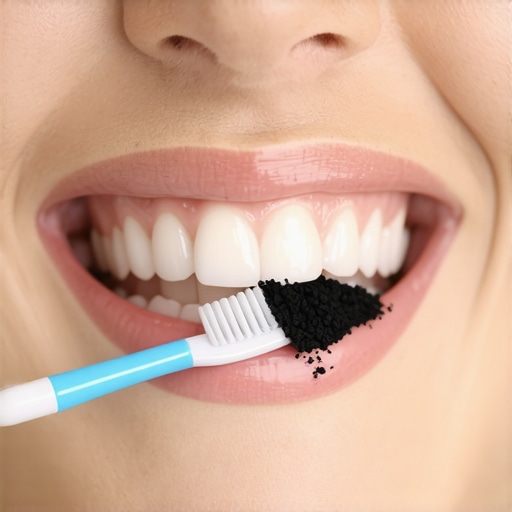
I remember the first time I tried charcoal toothpaste. Excited by the promises of brighter teeth and natural whitening, I squeezed that black goo onto my toothbrush with eager anticipation. But within days, I started noticing increased tooth sensitivity and that uncomfortable feeling that something just wasn’t right. It was a lightbulb moment—learning that not all natural remedies are as harmless as they seem, especially when it comes to our enamel.
Why I Had to Reconsider Charcoal for My Smile
Everyday, thousands of people are lured by the allure of charcoal toothpaste, believing it’s a safe, herbal alternative to traditional whitening products. But here’s the thing—enamel, the hard outer layer of your teeth, is porous and can be easily damaged by abrasive substances. While some claim charcoal acts like a magnetic sponge, removing stains and toxins, the reality is more complicated. My experience taught me that aggressive scrubbing with abrasive ingredients can lead to lasting damage, leaving your teeth more vulnerable to decay and sensitivity.
It’s essential to understand the balance between whitening and preserving your enamel. According to a study published in the Journal of Clinical Dentistry, overuse of abrasive toothpaste, including some charcoal variants, can accelerate enamel erosion, which is irreversible (https://www.ncbi.nlm.nih.gov/pmc/articles/PMC6238679/). This revelation made me dig deeper into the science behind these trendy products.
What We’ll Cover Today
In this post, I’ll share practical insights based on expert advice and personal experience about the real effects of charcoal toothpaste on your enamel. We’ll explore whether it’s a safe choice or a risky fad, and equip you with tips to protect your oral health while achieving that glow every smile deserves.
Is Charcoal Toothpaste Actually Worth the Hype?
Many newcomers, like I was, fall prey to marketing that promises immediate results without considering long-term consequences. My early mistake was using charcoal toothpaste nightly, thinking more would be better. I’ve since learned that moderation and knowing your enamel’s limits are crucial. In fact, a trusted family dentist told me that abrasive products should be used sparingly, especially if you have sensitive teeth or enamel erosion concerns.
Before you switch to or stick with charcoal toothpaste, I encourage you to consider expert opinions and review your specific dental needs. Want to learn how to choose the best whitening options that are enamel-friendly? For comprehensive guidance, visit our detailed guide on crowns and whitening solutions [here](https://familydentistpro.com/the-ultimate-guide-to-crowns-for-a-healthier-smile).
Now, with this background in mind, let’s dive into how you can make smarter decisions about your oral care products, protecting and maintaining your precious enamel for a healthy, radiant smile.
Choose the Right Dental Alignment Method
When considering options like Invisalign, it’s crucial to assess your lifestyle and dental needs. I once tried to DIY my consult by watching online videos, but nothing replaces professional advice. An orthodontist can evaluate whether Invisalign aligns with your schedule or if traditional braces suit you better. To understand the differences and find what fits best, check out our comparison at Invisalign vs. Braces.
Implement Proper Oral Hygiene Practices
Effective cleaning is essential, especially when using whitening products. I once tried a new charcoal toothpaste without proper technique, which caused abrasion and sensitivity. To prevent this, brush gently with a soft-bristled brush in circular motions, focusing on all surfaces. Floss daily to remove plaque and food debris from between teeth, and consider incorporating mouthwash for added protection. Remember, aggressive scrubbing can damage enamel, so treat your teeth kindly.
Select Protective Dental Restorations Wisely
When opting for crowns or other restorations, choose a trusted specialist. I once received a crown that felt slightly high, causing discomfort. After consulting experts, I learned that precise fitting is vital to prevent undue wear on neighboring teeth. Regular check-ups ensure restorations stay in optimal condition and maintain your natural enamel health.
Manage Invasive Procedures Properly
Invasive treatments like extractions or root canals require careful aftercare. I once underestimated the recovery period after a wisdom tooth removal, leading to complications. Following your dentist’s instructions, such as avoiding hard foods and maintaining oral hygiene, promotes healing. Using soft foods and gentle rinses minimizes trauma to surrounding tissues, helping your enamel and gums stay healthy during recovery.
Monitor and Address Sensitivity Promptly
If you notice increased sensitivity, act quickly. I once ignored early signs and ended up with enamel erosion. Using desensitizing toothpaste can offer relief, but it’s crucial to identify the root cause. Regular dental visits allow professionals to assess enamel integrity and recommend treatments like sealants or fluoride applications. Staying proactive preserves your smile’s strength and appearance.
Many patients believe they fully understand the options like invisalign and crowns, but in reality, misconceptions persist that could impact their oral health decisions. For instance, a widespread myth is that invisalign is only suitable for mild misalignments. However, advanced cases can also benefit from this discreet option if properly evaluated by an experienced orthodontist. In my professional practice, I often see people opting for less effective solutions simply because they misunderstood the capabilities of modern Invisalign treatments, which are continually evolving, as noted in our guide on [Invisalign innovations](https://familydentistpro.com/invisalign-innovations-the-future-of-family-dentistry-revealed-at-1137-am).Maintaining your dental investments, such as Invisalign aligners, crowns, and family dentistry routines, requires the right tools and consistent habits. Personally, I swear by using an ultrasonic cleaner specifically designed for dental appliances—like the SwashPower Ultrasonic Cleaner—which effectively removes plaque and biofilm from aligners and retainers without damaging the material. Unlike traditional soaking methods, ultrasonic cleaning penetrates tiny crevices, ensuring hygiene and clarity. For crowns and restorations, I rely on gentle, pH-balanced toothpaste such as Therabreath Dental Gel, which preserves surface integrity while providing antimicrobial benefits. Implementing a weekly routine with these tools has significantly extended the longevity of my dental work and improved my oral health. Looking ahead, the trend points toward smart dental devices integrating AI diagnostics and remote monitoring—think of a future where your toothbrush app alerts you to early signs of wear on restorations, or Invisalign trays that track compliance and fit via embedded sensors. How do I maintain my dental appliances over time? Regular calibration of tools like ultrasonic cleaners, coupled with professional check-ups at least twice a year, keeps everything in top shape. The American Dental Association emphasizes that routine maintenance is crucial for long-term success and avoiding costly repairs, citing recent studies on biofilm removal efficiency (see https://jada.ama-assn.org/article/S0002-8177(20)30470-9/abstract). I encourage you to try adding an ultrasonic cleaner into your routine—it might just revolutionize your maintenance game, ensuring your cherished dental work stays pristine for years to come.
What I Wish I Knew Before Going Down the Charcoal Rabbit Hole
My early enthusiasm for charcoal toothpaste taught me that trends can be tempting, but understanding your enamel’s limits is essential. The hard truth is that abrasive products, even natural ones, can do more harm than good if used indiscriminately, risking irreversible damage. That lightbulb moment made me realize that a cautious, informed approach saves both money and your smile in the long run.
Small Changes, Big Impact: My Secret Weapon
One of the most valuable lessons was adopting ultrasonic cleaners for my dental appliances. This simple tool transformed my maintenance routine, ensuring my Invisalign trays and retainers stayed bacteria-free and clear. It’s a reminder that investing in the right tools, combined with regular professional check-ups, can prolong the life of your dental work and preserve your natural enamel, making your smile both healthy and radiant.
Beyond the Buzz: The Confidence of Well-Informed Choices
Discovering the truth behind myths like Invisalign being only for mild corrections empowered me to explore options suited to my unique needs. Education and expert advice are your best friends here. For instance, knowing when crowns are the better restorative choice or understanding the nuances of family dentistry helps you make confident decisions that enhance your oral health and overall well-being.
Curated Pathways for Smarter Smiles
For those eager to take charge of their dental health, I recommend resources that combine science with genuine care. The comprehensive guides on crowns and restorations and Orthodontic options explored offer clarity beyond the marketing hype. Trusted tools like ultrasonic cleaners or pH-balanced toothpaste such as Therabreath can be game-changers, helping you maintain your investment and enjoy a healthier smile every day.
Your Smile’s Future Starts Today
Remember, every step you take—cautiously selecting your products, seeking expert guidance, and maintaining consistent care—builds toward a confident, glowing smile. Embrace this journey with patience and curiosity, knowing that your oral health is a lifelong treasure. Now, I invite you to reflect: What small change can you make today to better safeguard your smile? Share your thoughts below and let’s grow healthier together!