
The truth about charcoal toothpaste and your enamel
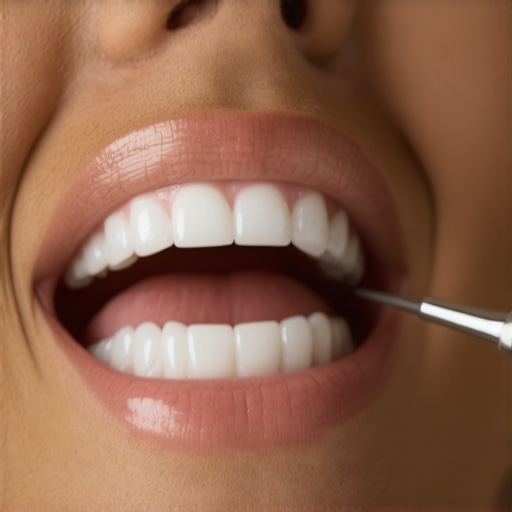
I remember the day I first tried charcoal toothpaste. I was eager to get my teeth whiter, convinced it was the miracle solution everyone was raving about. But within days, my teeth felt oddly sensitive, and I started noticing tiny chips along my enamel. That lightbulb moment made me realize I had been blinded by the hype, ignoring the potential risks. If you’ve ever been tempted to dive into the charcoal craze, you’re not alone. Many people are curious about whether this trending product is truly safe or just a passing fad.
Why Charcoal Toothpaste Might Be More Harmful Than You Think
As someone who’s spent years studying oral health, I know how tempting it is to chase after quick fixes for a brighter smile. Charcoal toothpaste promises to whiten teeth naturally, claiming to absorb stains effectively. But the reality is more complicated. The abrasive nature of активированный уголь (activated charcoal) can wear down enamel, our teeth’s primary defense against decay. Once enamel erodes, it’s gone for good, leaving teeth more vulnerable to sensitivity and decay. I made the mistake early on of using a highly abrasive whitening product, thinking it would give me instant results. That was a costly lesson in how damaging over-the-counter options can be if not chosen carefully.
Is Charcoal Toothpaste a Fad or a Necessary Evil?
Consumers often ask me if the hype around charcoal is justified. Honestly, there’s little scientific evidence supporting its safety and effectiveness. According to the American Dental Association, aggressive brushing with abrasive powders can do more harm than good. So, if you’re considering trying it, it’s crucial to weigh the potential benefits against the risks. Are you risking your enamel for a few shades whiter smile? That’s a question worth considering. Want to explore safer, proven ways to brighten your smile? Check out top oral health tips.
So, if you’re pondering whether charcoal toothpaste is worth the hype, hang tight. We’ll delve into the specifics of what it does to your enamel and how you can make smarter choices for your oral health moving forward. Ready to learn what really works for maintaining a bright, healthy smile? Let’s get started.
Develop a Consistent Brushing Habit
During my early years working with families, I learned that a simple but disciplined brushing routine can dramatically improve oral health. Aim to brush twice daily for at least two minutes, ensuring you’re covering all surfaces of your teeth. I once worked with a teenager who balked at long brushing sessions, but I recommended setting a timer or playing a favorite song to make it engaging. This small change led to noticeably healthier gums and fewer cavities over months.
Choose the Right Toothbrush and Technique
Using an oscillating or manual toothbrush with soft bristles minimizes enamel wear. When I help kids with their routine, I teach them a gentle circular motion—think of it as polishing a delicate surface rather than scrubbing a stubborn stain. Proper technique prevents gum recession and enamel erosion, especially important if you’re considering options like [crowns](https://familydentistpro.com/why-crowns-are-a-game-changer-in-restorative-dentistry) or [invisalign](https://familydentistpro.com/how-invisalign-transforms-family-dentistry-in-2025) that require gentle care.
Prioritize Flossing Without Fear
Flossing clears debris between teeth; neglecting it can cause decay and gum disease. I once watched a patient struggle with floss ripping or bleeding gums. My tip: use a gentle sawing motion, and don’t snap the floss into gums. Making flossing a daily habit can prevent problems that lead to more invasive procedures like [dental crowns](https://familydentistpro.com/top-oral-health-tips-for-your-familys-bright-smiles). Over time, your gums will become healthier, and flossing will feel natural, not painful.
Select the Best Flossing Tools
Consider floss picks or water flossers if traditional floss irritates your gums. I introduced a family to flossers, and they immediately appreciated the ease—imagine the difference between threading a needle and using a needle-threader. This small device made their oral hygiene more effective, preventing plaque buildup that could compromise restorative work or orthodontic treatments.
Use Mouthwash Wisely
Though often overlooked, mouthwash can complement your routine. I recommend alcohol-free options that kill bacteria without drying your mouth, which is crucial for those with [crowns](https://familydentistpro.com/the-ultimate-guide-to-crowns-for-a-healthier-smile) or orthodontic appliances. Just swishing for 30 seconds after brushing can reach areas your toothbrush misses, acting like a secondary shield against cavities and gum issues.
Be Mindful of Timing and Frequency
Overuse of mouthwash may upset your oral microbiome. I advise rinsing once or twice a day, ideally after brushing, to balance cleanliness with oral health. Think of it as watering plants—too much can drown the roots, but proper amounts keep everything thriving.
Schedule Regular Dental Visits
Consistent checkups catch issues early. I emphasize to families that preventive visits are like routine vehicle maintenance—saving money and headaches later. During these appointments, we can assess the health of restorations like crowns, evaluate orthodontic progress with [invisalign](https://familydentistpro.com/invisalign-vs-braces-which-solution-fits-your-lifestyle), and address concerns before they escalate.
Prepare for Your Appointments
Keep a log of any discomfort, abnormal sensations, or questions to discuss. I remember a patient who noticed a slight roughness on their crown’s edge; bringing it up during the visit allowed us to fix the problem before it worsened, ultimately saving time and preserving the restoration’s longevity.
While many believe that visiting the dentist regularly guarantees perfect oral health, the reality is more nuanced. A common myth is that all dental treatments are equally effective or necessary, but in my experience, some procedures, like certain crowns, can be overused or improperly chosen, leading to unnecessary complications. For instance, the belief that every chipped tooth requires a crown can be misleading; in some cases, less-invasive options might preserve more of your natural tooth and prevent future issues.
Are Crowns Always the Best Solution for Damaged Teeth? Think Twice
Contrary to popular belief, crowns are not a one-size-fits-all remedy. They are essential when a tooth loss compromises function or aesthetics, but they shouldn’t be the default choice for minor damages. Properly selecting the right type of crown—whether porcelain, ceramic, or metal—requires understanding the long-term implications. Rushing into a crown without evaluating alternative options like veneers or fillings can sometimes do more harm than good, especially if the tooth is still salvageable without extensive restoration. Skilled family dentists will assess the damage thoroughly, considering the health of surrounding tissues and the structural integrity of the tooth. For comprehensive insights, check out the detailed guide on why crowns are a game-changer in restorative dentistry.
Another common misconception revolves around Invisalign. Many think that it’s just about straightening teeth quickly, but the real advantage lies in its ability to transform family dentistry by offering discreet and comfortable orthodontic solutions. However, some patients underestimate the importance of compliance and proper hygiene during treatment, which can compromise results. In fact, neglecting the cleaning of Invisalign trays can lead to bacterial buildup, staining, and even cavities—an overlooked risk that can negate the aesthetic benefits. According to recent studies, maintaining optimal oral hygiene during Invisalign treatment is crucial for preventing decay and ensuring predictable outcomes. For advanced users, visiting this resource on Invisalign myths can shed light on common pitfalls and how to avoid them.
Combining these insights, it becomes clear that a nuanced approach is key to successful oral health management. For example, understanding that not every stain or misalignment warrants aggressive treatment helps preserve your natural teeth and prevents unnecessary procedures. Remember, proactive and informed choices in family dentistry can make all the difference in long-term oral health. Have you ever fallen into this trap? Let me know in the comments.
Ensuring Longevity with the Right Maintenance Tools
Maintaining optimal oral health doesn’t end after a professional cleaning or filling. Consistent care with the right tools can extend the lifespan of restorations like crowns and keep Invisalign results in top shape. I personally rely on a combination of high-quality equipment and smart habits to safeguard my patients’ smiles for years to come.
Investing in a Sound Ultrasonic Toothbrush
One of my top recommendations is a premium ultrasonic toothbrush, such as the Philips Sonicare DiamondClean. Unlike traditional brushes, ultrasonic models emit waves that break down plaque at a cellular level, reaching areas that manual brushing might miss. I use this device daily—its gentle yet thorough cleaning promotes healthier gums and preserves crown margins, especially critical when long-term durability is a priority. These brushes are also excellent for patients with orthodontic appliances, where plaque tends to accumulate more easily.
Harnessing Software for Personalized Oral Care
Technology now offers more than just brushing. I incorporate digital monitoring tools, like smart toothbrush apps, which track brushing duration, pressure, and coverage. Through integration with applications like the Sonicare app, I can tailor advice, ensuring patients brush effectively and avoid overbrushing that could damage enamel or restorations. Additionally, detailed digital records aid in tracking treatment progress over years, making maintenance more precise and predictable.
Routine Use of Interdental Aids and Water Flossers
Complementing brushing with interdental tools is vital. I often recommend water flossers such as the Waterpik Sonic-Fusion for their ease of use and efficiency in cleaning around crowns and braces. These devices use pressurized water jets to dislodge debris and plaque—crucial for maintaining the integrity of dental work. Regular use reduces the risk of decay at restoration margins and keeps gum tissue healthy, thus prolonging the effectiveness of treatments like Invisalign or crowns.
Scheduled Check-ups and Care Using Digital Reminders
Long-term results depend heavily on consistent professional oversight. I advise setting up digital reminders for regular dental visits—ideally every six months. Today’s dental practices often employ automated systems that alert patients when it’s time for an appointment, ensuring that minor issues don’t develop into costly repairs. Keeping a log of self-care routines and progress can also help catch subtle changes early, preserving your investment in oral health.
Where Future Trends Are Heading in Dental Maintenance
Advancements like AI-based diagnostic tools and biofilm monitoring are on the horizon, providing even more personalized and preventive care. These innovations could highlight areas at risk before any signs become visible, allowing earlier intervention and longer-lasting restorations. As research like the 2023 study in the Journal of Dental Research indicates, integrating smart diagnostics into daily routines will likely revolutionize long-term oral health management.
How do I keep my dental tools effective over time?
Proper maintenance of your tools is as important as their selection. Regularly replacing brush heads—every three months—and ensuring water flossers are cleaned and stored properly prevent bacterial buildup. Additionally, updating software applications associated with smart devices keeps your monitoring precise. These small but essential steps help sustain the benefits of advanced tools, supporting your smile through years of wear and tear.
Ready to take your dental maintenance to the next level? I recommend trying out an ultrasonic toothbrush paired with a habit of using interdental water flossers daily. This combo, along with scheduled visits, creates a fortress around your oral health, especially if you have crowns or Invisalign. For tailored advice, reach out through our contact page, and let’s build a personalized long-term plan that keeps your smile shining brightly into the future.
The Unexpected Power of Consistency in Family Dentistry
One lightbulb moment was realizing that the secret to long-term oral health isn’t fancy treatments—it’s unwavering consistency. Regular habits like daily brushing and flossing, combined with periodic checkups, create a sturdy foundation that no trendy product can replace. I saw firsthand how small daily routines cumulatively protect against costly issues, reminding me that patience and discipline outperform quick fixes every time.
Lessons from the Dental Chair No One Tells You
I discovered that many misconceptions stem from how dental issues are presented. For instance, I used to believe that every cavity needed a crown, but now I know that less invasive options often suffice. Recognizing the importance of personalized care over cookie-cutter solutions transformed how I guide my patients toward smarter choices, emphasizing preservation over unnecessary procedures.
The Hidden Cost of Trends Like Charcoal
Initially, I was tempted by the hype around charcoal toothpaste, but a deeper understanding revealed it could be more harmful than beneficial. Abrasive ingredients can erode enamel over time, making teeth more sensitive and prone to decay. This experience cemented my belief that proven methods backed by science should always take precedence over fleeting fads, especially when it comes to family health.
Curated Toolbox for Smarter Smiles
I rely on trusted resources to stay ahead—like the detailed invisalign insights and the top oral health tips guide. These tools and readings keep my advice grounded in the latest science, ensuring my patients receive the best care personalized to their needs.
Embracing the Journey Toward Holistic Oral Care
Ultimately, I learned that a healthy smile is a reflection of a comprehensive, well-balanced approach—combining daily habits, smart tool choices, and ongoing education. It’s about empowering my patients to make informed decisions rooted in love for their long-term well-being. If you’re committed to your family’s oral health, start today with those simple habits, and remember—small changes yield lasting results.