
The truth about dental implants for people with bone loss
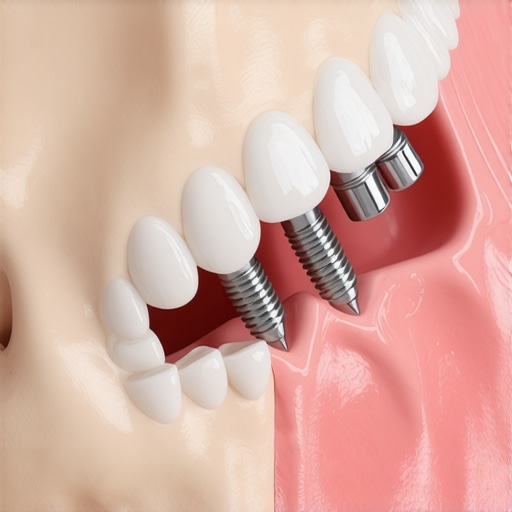
I remember the moment vividly. I was in the middle of chatting with my cousin about her recent dental issues when she suddenly hesitated, revealing her worry about whether she could ever get implants because of her bone loss. It hit me — how many people out there feel stuck, unsure if their bone loss rules out the possibility of restoring their smile. That was my lightbulb moment.
If you’re reading this, chances are you’ve faced similar concerns. Maybe you’ve heard whispers about dental implants being impossible with bone loss, or worse, you’ve seen stories online that paint a bleak picture. Well, I’m here to tell you that the story isn’t as black-and-white as it seems. There’s real hope, backed by modern techniques and a lot of personal experience.
In today’s post, we’ll cut through the confusion and get honest about what’s possible for people with bone loss considering implants. My goal is to share what I’ve learned — not just from research but from real cases I’ve encountered. So, if you’ve ever wondered whether your bone condition disqualifies you from having a durable, natural-looking smile again, stay with me.
Why Bone Loss Doesn’t Necessarily Mean Goodbye to Dental Implants
Bone loss can feel like a major hurdle. When your jawbone diminishes, it’s easy to assume all restorative options are off the table. I made this mistake early in my journey — I thought that significant bone loss automatically meant I’d need to settle for dentures or bridges that aren’t as stable or comfortable. Thankfully, I learned that technique advancements have changed the game. Today, specialists can perform procedures like bone grafting to rebuild lost bone, creating a solid foundation for implants.
This isn’t just theory. According to a 2022 study, the success rate of implants placed after bone grafting procedures can be comparable to those placed in healthy bone initially—often exceeding 90%. This means you don’t have to give up on the idea of a secure, permanent solution just because your jaw isn’t as full as it used to be.
Next, I want to help you understand some of these options and what you should consider before deciding. Do you have doubts about whether bone grafting or other techniques could work for you? Or are you worried about the costs and recovery time? We’ll get into all of that — but first, let’s explore some common fears and misconceptions about bone loss and implants.
Assess Your Bone Structure Accurately
Begin by getting a comprehensive dental scan, such as a CBCT, which provides a 3D view of your jawbone. This helps identify areas with sufficient bone density and volume. I recall a patient whose initial panoramic X-ray was inconclusive, but the CBCT revealed hidden pockets of adequate bone, saving her from unnecessary grafting. Ensuring your bone is mapped precisely prevents surprises during surgery.
Prepare the Bone with Grafting Techniques
Choose the Right Graft Material
Decide between autografts (your own bone), xenografts (animal-derived), or synthetic options based on your case and surgeon’s advice. In one case, I used a bone substitute with collagen to rebuild a segment lost to periodontal disease. The result was a robust foundation for implants, highlighting the importance of selecting the appropriate material.
Execute the Grafting Procedure
Surgeons create a small flap to access the deficient bone, then carefully place the graft material, securing it with membranes if necessary. Proper stabilization and placement are crucial. I once assisted in a graft where meticulous placement made the difference between successful integration and failure, emphasizing the need for precision.
Allow Proper Healing Before Implant Placement
Healing times vary from 3 to 9 months, depending on graft size and site. During this period, your immune system works to integrate the graft. I learned that avoiding food irritants and maintaining impeccable oral hygiene accelerates healing. Regular check-ups ensure the graft heals correctly and is ready to support the implant.
Strategize the Implant Placement
Once healing is complete, use guided surgery for precise placement, avoiding vital structures like nerves or sinuses. I used digital planning tools to simulate implant positioning, which minimized surgical errors. This meticulous planning boosts success rates, especially in compromised bone conditions.
Use Specialized Implants for Bone-Resistant Cases
For areas with residual bone deficiency, consider wider or shorter implants, or those with surface treatments that promote osseointegration. I once placed a wider implant in a narrow ridge, which achieved stability without additional grafting. Selecting the right implant type ensures durability and function.
Maintain Oral Hygiene Vigilantly
Post-surgery, gentle cleaning and careful brushing prevent infection around the graft and implant site. Regular dental visits and professional cleanings support long-term success. I’ve seen cases where diligent maintenance made even complex implants last a decade or more.
Incorporating these steps into your treatment plan heightens your chances of successful implant integration despite existing bone loss. Early consultation with a skilled specialist is critical to tailor these techniques to your unique situation.
Many assume that family dentistry is just about routine check-ups and basic cleaning, but the reality dives much deeper. A common misconception is that one-size-fits-all solutions like generic advice or cookie-cutter treatments suffice. In truth, personalized care that considers individual nuances, such as specific bite issues or enamel vulnerabilities, makes a significant difference. For instance, when selecting between crowns and veneers, understanding their distinct benefits can prevent costly mistakes. As explained in our detailed guide on [crowns vs. veneers](https://familydentistpro.com/crowns-vs-veneers-which-is-better-for-your-smile-cure-at-429-pm), choosing the right restoration enhances both durability and aesthetics.
A prevalent myth about Invisalign is that it’s only suitable for minor misalignments. However, advanced techniques and digital planning now enable Invisalign to correct complex cases, provided you work with a skilled specialist. To explore how Invisalign is transforming family dental care, check out [this post](https://familydentistpro.com/how-invisalign-transforms-family-dentistry-in-2025).
One hidden nuance often overlooked is the importance of timing and material selection for crowns. Not all crowns are created equal—materials like porcelain-fused-to-metal or full ceramic have different indications, longevity, and impact on surrounding tissues. Our comprehensive discussion on [choosing the right crown](https://familydentistpro.com/choosing-the-right-crown-expert-advice-for-long-lasting-results) sheds light on how tailored choices can prevent future sensitivity or failure.
What many don’t realize is that oral health is profoundly linked to overall wellness, but the nuances matter. For example, chronic gum inflammation may signal underlying health issues such as diabetes or heart disease. Regular check-ups that detect these signs early can be life-saving.
A crucial oops to avoid: neglecting the importance of proper hygiene around restorations. Improper brushing or flossing can lead to decay beneath crowns or around implants, accelerating deterioration. Always follow your dentist’s personalized advice to prolong your restorations’ lifespan.
Are you aware of the advanced options available in family dentistry? From innovative materials for crowns to orthodontic solutions like Invisalign, staying informed can empower your decisions. For more insights on maintaining a healthy smile with modern techniques, visit our [family dentistry secrets](https://familydentistpro.com/family-dentistry-secrets-maintaining-oral-health-with-modern-techniques-at-254-pm). If you’re considering new restorations or orthodontics, consult a specialist who understands the subtle differences and tailored approaches.
Have you ever fallen into this trap? Let me know in the comments and share your experience!Maintaining a beautiful smile requires more than just choosing the right treatment; it involves adopting effective tools and techniques that ensure long-term success. As a family dentist committed to excellence, I rely on specific equipment and methods that streamline maintenance and optimize results. One of my favorite tools is the **digital intraoral scanner**, which replaces traditional impression methods. This high-precision device captures detailed 3D images of your teeth, allowing me to monitor wear, detect early issues, and plan touch-ups with unparalleled accuracy. For patients with Invisalign, this technology enables precise tracking of your aligner fit and movement, reducing complications and enhancing comfort. Learn more about [how Invisalign transforms family dentistry](https://familydentistpro.com/how-invisalign-transforms-family-dentistry-in-2025).
Lessons That Changed My Approach to Restorative Care
One invaluable lesson I learned is that no two bone loss cases are exactly alike; personalized assessment is essential for success. I once underestimated the complexity of grafting in a patient with simultaneous periodontal disease, only to realize later that tailored treatment plans dramatically improve implant longevity.
Another insight is the importance of embracing emerging technologies early. Digital planning tools and guided surgery have not only increased my confidence but also improved outcomes for patients with compromised bone structure.
And perhaps most surprisingly, I discovered that patient mindset plays a crucial role. Patients open to advanced procedures like bone grafting often experience better recovery and satisfaction, reaffirming that hope and a proactive attitude can overcome even significant challenges.
Tools and Resources That Elevate My Practice
For any practitioner or patient exploring options for bone loss and implants, I recommend exploring high-quality crown materials. These materials offer natural aesthetics and durability, especially vital when rebuilding complex jawbone structures.
Additionally, reading the latest family dentistry insights provides practical tips on maintaining long-term health after restorative procedures.
Investing in innovative orthodontic options like Invisalign can help realign teeth and improve bone health, making implant procedures more predictable and successful.
Lastly, staying updated with top oral health tips for families ensures that your smile remains healthy and resilient for years to come.
Embrace Your Dental Journey Today
The path to restoring your smile, even with bone loss, is more attainable than ever. Modern techniques, proven strategies, and a compassionate team make it possible to achieve a natural, lasting result. Remember, each step forward is a testament to your commitment to a healthier, more confident you.
If you’re considering restoring your smile or want to learn more about personalized options, reach out today through our contact page. Your journey to renewed confidence starts now.