
The Truth About DIY Whitening Kits and Your Enamel
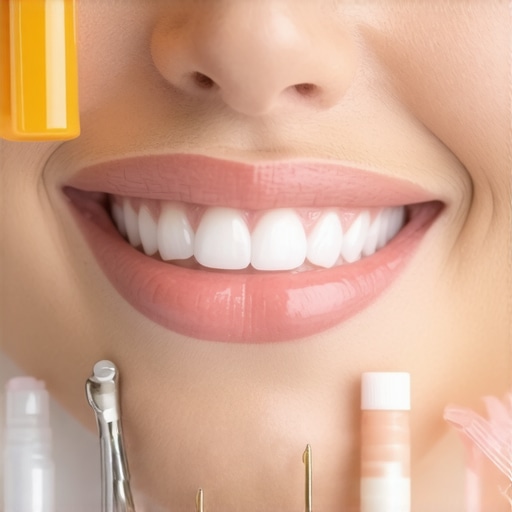
Ever taken a peek at those at-home whitening kits and thought, “This looks easy and cheap—why not give it a shot?”? I remember the moment I clapped my eyes on a box of whitening strips at the drugstore, feeling pretty confident I could brighten my smile without a trip to the dentist. But boy, was I naive. That experiment taught me a vital lesson about our enamel and the risks of DIY treatments that no ad or influencer will tell you.
Why DIY Whitening Can Backfire on Your Smile
There’s a common misconception that whitening your teeth at home is safe and cost-effective. Sure, the kits look straightforward, and the promise of a Hollywood smile is tempting. But I’ve learned from personal experience—and from countless family dentistry insights—that our enamel, the protective shield of our teeth, isn’t invincible. Over-the-counter whitening products often contain potent bleaching agents that, if misused, can erode this delicate layer faster than you might expect. In fact, the American Dental Association emphasizes that improper use of these products can lead to increased tooth sensitivity and even permanent damage to your enamel, which is not something to take lightly.
What You’ll Discover Today
In this post, I want to share the honest truth about DIY whitening kits and teach you how to safely achieve a bright smile without risking your oral health. You’ll learn about the specific mistakes I made early on, the signs that your enamel is under attack, and better, dentist-approved options for whitening. If you’ve ever felt the temptation to skip the professional route and go full DIY, stick around—I’ve got the insights you need.
Will DIY Whitening Keep Your Teeth Safe or Just Damage Them?
When I first started experimenting with whitening strips, I thought I was just doing a quick, harmless favor to my smile. I underestimated the importance of understanding my teeth and enamel. Not only did I ignore the recommended usage, but I also overlooked the fact that my enamel was already slightly compromised from years of coffee and wine. That’s a mistake I see many make—jumping into whitening treatments without considering their unique dental health.
Research indicates that overuse or misuse of bleaching products can significantly increase tooth sensitivity and cause damage—issues that can be permanent if ignored (source: [American Dental Association](https://www.ada.org)). This realization was a wake-up call for me. It’s essential to consult with your family dentist before trying any whitening method, especially if you have existing dental concerns or are wary of enamel erosion.
Now that you understand the potential pitfalls, let’s explore how you can whiten your teeth effectively and safely, preserving your enamel’s health while brightening your smile.
Prepare Your Teeth and Understand Your Enamel
Before diving into any whitening routine, assess the health of your teeth. Use a mirror to identify any existing issues like cavities or sensitivity, which can worsen with bleaching agents. Visit your family dentist for a professional evaluation—this step ensures your enamel can withstand whitening treatments. Think of your teeth like a marble statue; if it’s cracked or eroded, applying polish can cause more damage, so proper prep is crucial.
Choose the Right Whitening Products and Follow Instructions
Select a reputable whitening kit with a moderate peroxide concentration. Read the label carefully—overdoing it can strip away vital enamel, leading to sensitivity. When applying, use the included tray or strips exactly as directed. For example, I once applied a whitening gel for twice the recommended time; my teeth became painfully sensitive for days. This experience underscored that moderation and adherence to instructions are essential for safe results.
Use a Timer and Shorter Sessions
Set a timer to ensure you don’t exceed the prescribed duration. Shorter, consistent sessions are more effective and safer than prolonged exposure. Think of it like baking—rushing can ruin the batch and cause damage. Starting with 15-minute sessions and gradually increasing can help your teeth adapt without harm.
Monitor Your Oral Health During Treatment
Pay attention to signs of distress like increased sensitivity or uneven whitening. Use desensitizing toothpaste daily to protect your enamel—this acts like a shield, similar to applying varnish over wood. If you notice persistent discomfort, stop the treatment immediately and consult your dentist. Remember, whitening is meant to enhance your smile, not to sacrifice its health.
Implement Proper Oral Hygiene Habits
Maintain a routine that strengthens your teeth—brush twice daily with fluoride toothpaste, floss regularly, and avoid acidic foods that can erode enamel. Consider using a soft-bristled toothbrush to prevent abrasion. Regular visits to your family dentist help catch potential issues early, much like a mechanic regularly checks a car’s engine before breakdowns occur. Proper care protects your investment in cosmetic improvements and keeps your smile healthy.
Explore Professional and Safer Alternatives
For advanced whitening, consult your dentist about in-office treatments. These procedures use professional-grade products and techniques that are calibrated for your dental structure—akin to custom-fitting a suit versus buying off-the-rack. Invisalign, for instance, not only straightens teeth but also maintains oral health while improving aesthetics, and you can learn more about how Invisalign compares to braces. Experience with such methods ensures you achieve a radiant smile without risking damage.
,Many people believe they fully understand dental procedures like crowns or Invisalign because they’ve seen online videos or read articles. However, this surface-level knowledge often leads to misconceptions that can harm long-term oral health. For example, a common myth is that crowns are only for aesthetics; in reality, they serve crucial functions in restoring damaged teeth and preventing further decay, as emphasized by experts at [Family Dentistry](https://familydentistpro.com/the-hidden-benefits-of-invisalign-for-family-dental-care-in-2025-at-903-am).
What advanced pitfalls do people overlook when choosing dental treatments?
One significant oversight is the assumption that all crown materials are equally durable and biocompatible. Many opt for porcelain crowns because they mimic natural teeth, but they may not be the best choice for heavy biting forces or if the underlying tooth structure is compromised. Understanding the nuances of crown types and their specific uses, as discussed in [this comprehensive guide](https://familydentistpro.com/the-ultimate-guide-to-crowns-for-a-healthier-smile), can help you make informed decisions. Additionally, many underestimate the importance of supporting oral habits, such as grinding or clenching, which can jeopardize even the most carefully chosen crowns. Incorporating custom night guards, often overlooked, can significantly extend the lifespan of restorative work. Mistakenly believing that orthodontic options like Invisalign are purely cosmetic also limits patients from realizing their functional benefits, like correcting bite issues that contribute to uneven wear and jaw discomfort. Sometimes, patients think Invisalign is only suitable for minor misalignments, but as explored [here](https://familydentistpro.com/invisalign-innovations-the-future-of-family-dentistry-revealed-at-1137-am), advanced innovations now allow for complex cases that improve both function and aesthetics. Moreover, rushing into family dentistry without understanding the long-term implications can lead to ongoing oral health challenges. Regular checkups, tailored oral hygiene routines, and proactive measures such as fluoride applications or sealants are often underestimated in their preventive power. For instance, neglecting early signs of enamel erosion can result in costly procedures down the line, which could have been avoided with simple, timely interventions. So, are you aware of the advanced nuances that could affect your dental health? Have you ever fallen into this trap? Let me know in the comments. For more insights on selecting the right treatment, explore [this guide](https://familydentistpro.com/choosing-the-right-crown-expert-advice-for-long-lasting-results), or learn how modern family dentistry is evolving to better serve patients as discussed [here](https://familydentistpro.com/family-dentistry-trends-improving-oral-health-for-all-ages). Remember, a well-informed patient is the first step toward a healthier, more confident smile.Maintaining a healthy and beautiful smile over the long term requires more than just good brushing habits. Investing in the right tools can significantly extend the lifespan of your dental restorations like crowns and veneers, and ensure your oral health stays optimal.
How do I maintain my dental restorations and oral health over time?
Personally, I swear by using a high-quality electric toothbrush, such as the Sonicare DiamondClean, which offers superior plaque removal and gentle gum care. Its oscillating technology ensures thorough cleaning around crowns and implants without risking damage. Using a soft-bristled, ADA-approved manual brush can be effective if you prefer a more traditional approach, but I find that combining it with gentle flossing tools like the WaterPik Water Flosser optimizes plaque control in hard-to-reach areas.
Precision tools matter for family-wide oral care
For my family, I recommend a combination of interdental brushes and fluoride rinses. Interdental brushes are especially effective at cleaning around bridges and braces—areas where standard brushes may miss plaque buildup. I personally use the TePe Interdental Brush for its durability and variety of sizes suitable for different gaps. Additionally, a quality fluoride rinse helps remineralize enamel and protect against decay, especially critical around existing crowns or veneers, as they can sometimes be more vulnerable to acid erosion.
Embracing technology and future trends
Emerging innovations like the use of AI-powered electric toothbrushes, such as those integrated with app-based monitoring, promise to revolutionize home care by providing real-time feedback on brushing technique and coverage. This trend indicates a future where personalized oral health care becomes standard, making it easier to maintain restorations and natural teeth alike. If you stay consistent with these tools, you’ll notice a significant difference in the longevity of your dental work and overall oral health.
Maintaining your smile long-term with the right approach
Consider scheduling regular check-ins with your family dentist—at least twice a year—to have professional cleanings and assessments. They can provide tailored advice, such as re-sealing crowns or updating fluoride treatments, to keep your mouth in top shape. Remember, the most effective long-term strategy blends excellent daily habits with high-quality tools and professional support. If you’re interested in exploring advanced methods, I recommend researching options like Invisalign, which not only improve alignment but also help in the maintenance process by correcting bite issues that could otherwise complicate cleaning routines. To discover more, see how Invisalign continues to innovate in family dentistry [here](https://familydentistpro.com/invisalign-innovations-the-future-of-family-dentistry-revealed-at-1137-am).
3 Hidden Truths That Shaped My Dental Journey
One of the biggest lessons I learned was that not all dental treatments are created equal, especially when it comes to crowns and Invisalign. Becoming aware of the subtleties—like the importance of choosing the right crown material or understanding Invisalign’s technological advancements—saved me from unnecessary discomfort and costs. These insights empowered me to ask better questions and seek treatments tailored to my specific needs.
I also discovered that regular communication with my family dentist is essential. It’s easy to assume that once you’ve completed treatment, your smile will stay perfect forever. But ongoing check-ups and maintenance, such as fluoride treatments or sealants, have been game-changers in preserving my oral health. It’s like regular tune-ups for a car—investment that pays off long-term.
Finally, I realized that a balanced approach combining professional care with proper home habits makes all the difference. Using the latest tools—like soft-bristled toothbrushes and interdental brushes—alongside consistent routines ensures that my crowns and Invisalign work harmoniously, keeping my smile vibrant and healthy for years to come.
Tools That Elevated My Smile Game
Some resources truly transformed my understanding of dental health. The comprehensive guide on crowns for a healthier smile revealed the nuances between different materials and procedures, which helped me make informed choices. I also rely on trusted sources like the latest Invisalign innovations article to stay updated on how technology is shaping orthodontics.
For everyday maintenance, I swear by electric toothbrushes like the Sonicare DiamondClean, coupled with interdental brushes for hard-to-reach areas. These tools, recommended in top oral health tips, have helped me extend the lifespan of my restorations and keep my gums healthy.
Seize Your Smile’s Full Potential Today
Taking control of your oral health isn’t just about choosing the right dentist or treatment—it’s about embracing a mindset of continuous care and learning. Your smile is a reflection of your confidence and well-being, and with the right knowledge, you can maintain and even enhance it over time. Don’t wait for problems to arise—start exploring your options now and partner with professionals dedicated to your long-term happiness.