
The truth about using baking soda as toothpaste
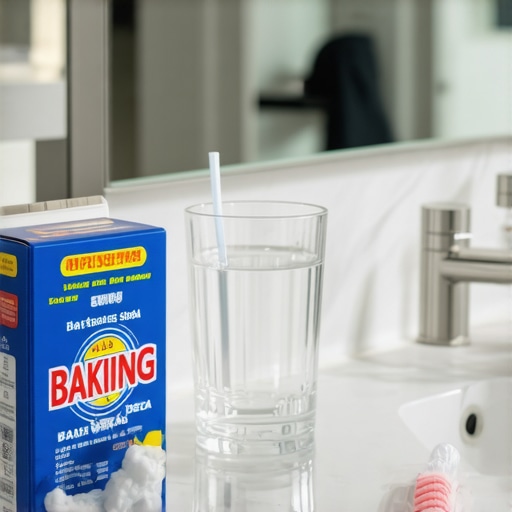
It was a morning like any other, until I looked in the mirror and noticed something unsettling — my teeth looked dull, and my gums were a little sore. Then it hit me: I’d been relying on a simple, DIY habit that I thought was good for my oral health, but maybe, just maybe, I was doing more harm than good. That was my lightbulb moment about baking soda and its role in oral care. If you’ve ever wondered whether that nostalgic, fridge-odor-remover wonder is really safe for your teeth, you’re not alone. Many of us have experimented, saved money, or just fallen into the trap of quick fixes, but what does the science say?
Today, I’m here to shed some light on the truth behind using baking soda as toothpaste and to help you navigate whether it’s a safe, effective choice or a risky shortcut. We’re going to explore what works, what doesn’t, and how to maintain your family’s bright, healthy smiles without surprises. If you’ve experienced the anxiety of unanticipated dental issues, you’ll understand that knowing what’s best for your teeth isn’t just about savings — it’s about long-term health.
Is Baking Soda Really Safe for Your Smile?
Many people swear by baking soda as a natural remedy for whitening and cleaning teeth, but not everyone realizes the potential pitfalls. Early on, I made the mistake of using it daily, thinking it was a toothpaste substitute. I was so focused on saving money and avoiding chemicals that I overlooked the abrasiveness and potential enamel erosion. Research shows that baking soda is mildly abrasive, which can help remove surface stains; however, overuse or improper use can weaken tooth enamel, leaving teeth more vulnerable to decay and sensitivity. The truth is, in moderation and with proper technique, baking soda might be beneficial, but overdoing it can cause more harm than good.
For a balanced approach, it’s vital to understand the science and consult with dental professionals. You can learn more about the benefits and risks of baking soda for oral care [here](https://familydentistpro.com/top-oral-health-tips-for-your-familys-bright-smiles). Just remember, what seems like a quick fix might have long-term consequences, and your family’s dental health deserves a cautious, informed approach.
Curious to see if your DIY routine is safe? Keep reading, because we’ll break down the dos and don’ts to keep your smile healthy, bright, and attack-free from unnecessary wear. Now, let’s uncover whether this old-fashioned powder deserves a spot in your daily routine or if it’s better left on the shelf.
Choose the Right Frequency for Baking Soda
Remember when I first started using baking soda daily as a DIY whitening method? The results were promising at first, but soon I realized my teeth felt more sensitive. The key is moderation. Use baking soda no more than two to three times a week to prevent enamel erosion. An easy method I followed was to replace my usual toothpaste with a baking soda paste every other day, ensuring I didn’t overdo it.
Proper Technique for Using Baking Soda
Think of your teeth as delicate trees in a garden; aggressive brushing or scrubbing can strip off the protective bark. When applying baking soda, dampen your toothbrush, then dip it lightly into the powder. Gently brush in circular motions for about two minutes, avoiding excessive pressure. I once rushed and scrubbed too hard, which left my gums irritated. The result? Better to be gentle than aggressive.
Watch for Signs of Enamel Wear
Enamel gives teeth their strength, much like a firm outer shell protects a candy. Overuse of abrasive agents like baking soda can weaken this shell. Keep an eye out for increased tooth sensitivity or chips—these are signs to cut back. During my trial, after a week of frequent baking soda use, I experienced slight discomfort when eating ice cream. I immediately reduced usage and switched to softer brushing techniques.
Combine Baking Soda with Gentle Oral Hygiene
Using baking soda doesn’t mean abandoning regular dental care. Incorporate flossing and rinsing with fluoride mouthwash to maintain overall oral health. Flossing removes debris trapped between teeth, preventing cavities. I learned this after realizing baking soda alone wasn’t enough to keep cavities at bay. Regular visits to your family dentist can help monitor your progress and prevent issues like cavities or gum disease.
Consult Your Dentist Before Starting
Just as I discovered, it’s always wise to discuss new oral care routines with a professional. Your dentist can give personalized advice, especially if you have sensitive teeth or existing dental restorations. For more insights into maintaining a bright, healthy smile, visit this helpful resource.
Many people believe that visiting the dentist less frequently saves money and promotes better oral health, but in reality, skipping regular check-ups can lead to more costly issues down the line. For instance, some think that Invisalign treatment is purely cosmetic, overlooking its benefits for bite correction and long-term jaw health, which can prevent other dental problems.
Is Invisalign Worth It Beyond Aesthetic Improvements?
Research indicates that Invisalign can significantly improve oral functionality and prevent future dental complications, especially when combined with good oral hygiene. Misunderstanding the role of crowns is another common trap; many see them just as a quick cosmetic fix, but modern crowns serve as vital restorations that protect weakened teeth and maintain proper bite alignment, which supports overall oral health. For an in-depth look, see why crowns are a game-changer in restorative dentistry. A typical mistake is believing that all crowns last forever — but materials and oral habits influence their durability. Additionally, many underestimate the importance of comprehensive family dental care. Regular visits aren’t just for fixing problems; they are proactive measures to prevent issues, track developmental changes in children’s teeth, and educate families on effective habits. Top tips for maintaining your family’s oral health emphasise this preventative approach. The hidden nuance lies in understanding that oral health management should be tailored to each individual’s needs, with advanced dental techniques like preventive sealants, fluoride treatments, and minimally invasive procedures playing crucial roles. Believing that brushing alone suffices is a mistake; comprehensive care involves diet considerations, behavioral habits, and professional oversight. For example, some think that Invisalign only works for minor misalignments, but recent studies show its effectiveness across a broader range of orthodontic issues, which can greatly improve jaw function and reduce long-term dental wear. Don’t fall into the trap of neglecting these nuances — your family’s smile deserves informed decisions and proactive strategies. Want to learn more? Visit family dentistry secrets to discover how modern techniques can transform your dental routine. Have you ever fallen into this trap? Let me know in the comments.Maintaining a healthy family smile over the years requires more than just good brushing habits; it involves investment in the right tools and techniques that ensure durability and efficiency. One of my go-to appliances is the **Sonicare DiamondClean Smart Electric Toothbrush**, which I personally use daily. Its oscillating-rotating technology provides superior plaque removal compared to manual brushing, especially important in households with children and adults alike. Plus, it has customizable modes for sensitive teeth and whitening, making it a versatile addition to any dental routine. When paired with a soft, fluoride toothpaste, it helps extend the lifespan of crowns and keep Invisalign trays clear and plaque-free. For long-term results, I recommend replacing the brush head every three months, and I use their app-connected feature to track brushing habits, ensuring consistent, thorough cleaning.
In addition to a high-quality toothbrush, I rely heavily on **water flossers**, such as the **Waterpik Sonic-Fusion**. Not only does it combine brushing and flossing into one device, but its pulsating water jets are especially effective at cleaning around crowns, bridges, and aligners. I find that consistently using water flossers reduces gum inflammation and helps prevent cavities, particularly in hard-to-reach areas. Regular professional cleanings are crucial, but the daily integration of these tools creates a preventive barrier that saves me time and money in the long run.
Technology is rapidly evolving, and I see a future where smart dental devices integrate even more seamlessly with health apps. For example, innovations like **AI-powered plaque detection** could revolutionize home maintenance, alerting you when a particular area needs extra attention. Also, 3D printing advances mean that customized retainers or crown covers might soon be a standard at-home option, improving both fit and durability.
How do I maintain my dental tools over time?
To keep my devices performing at their best, I clean my toothbrush and water flosser weekly with isopropyl alcohol or vinegar solutions to eliminate bacteria. Replacing brush heads and floss tips regularly is non-negotiable—they’re the first line of defense against oral issues. Also, I keep an eye on the manufacturer’s recommended lifespan for each device, replacing parts as needed to ensure optimal operation—this advice is supported by dental technology experts outlined in family dentistry tips. Consistent maintenance of your tools prevents the buildup of bacteria and mechanical failures, thereby extending their usefulness and protecting your family’s oral health.
Consider trying the Waterpik Sonic-Fusion or similar devices to enhance your daily routine. They aren’t just gadgets—they’re an investment in your family’s dental resilience. Make it a habit to check your tools every few months and replace components when necessary. A little proactive care now can prevent expensive procedures later, keeping everyone’s smile healthy and bright for years to come.
The Unexpected Wisdom Gained from My Dental Journey
One of the most eye-opening lessons was realizing that natural doesn’t always mean safe, especially when it comes to our family’s oral health. I discovered that overusing baking soda could accelerate enamel wear, which almost cost me a brighter smile. It taught me the importance of moderation and consulting professionals before adopting DIY routines.
Another revelation was understanding the value of modern dental tools. Investing in a quality electric toothbrush or water flosser wasn’t just about convenience but about safeguarding my family’s long-term oral health. These tools became silent partners in my quest for a healthy smile, proving that technology, when used correctly, is a game-changer.
Finally, I learned that proactive habits trump reactive fixes. Regular dental check-ups and early interventions save money and discomfort. They’re not optional chores but essential steps in maintaining the integrity of dental restorations like crowns or Invisalign trays, which can be compromised by neglect.
My Favorite Resources That Continually Inspire Better Dental Care
For anyone eager to deepen their understanding, I trust the comprehensive insights found in Top oral health tips for your family’s bright smiles. It’s a treasure trove of practical advice, blending science with everyday life. The book Smile Bright: Modern Family Dentistry has transformed my approach to kids’ dental routines—highlighting prevention over cure. Additionally, following updated blogs like latest Invisalign innovations keeps me informed about advancing orthodontic options. These trusted sources keep me proactive and confident in my choices.
Your Bright Smile Starts Today: Take Charge Now
Remember, your journey toward a healthier family smile is ongoing, filled with learning and improvement. Embrace the knowledge that even small, informed actions—like moderating baking soda use or investing in modern tools—bring lasting results. Let today be the day you prioritize consistent, science-backed oral care for your loved ones. The future of family dentistry is brighter when we make smart choices now.
What simple change will you make today to improve your family’s dental health? Share your plans below—I’d love to hear your stories!