
The Truth About Whether Fluoride-Free Toothpaste Actually Works
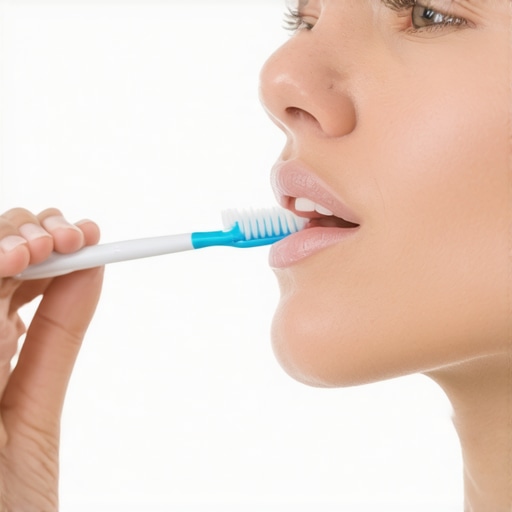
I remember the moment clearly. I was standing in the aisle of my local pharmacy, staring at a row of toothpaste options. Half of them proudly declared “fluoride-free,” promising a gentler, more natural way to keep my family’s smiles bright. But something didn’t sit right. Had I been misled? Was I risking my loved ones’ oral health for the sake of a trendy label?
As someone who’s been navigating family dentistry for years, I know how overwhelming it can be to sift through the myriad of dental products flooding the shelves today. Every day, I hear questions from parents and patients alike: “Is fluoride really necessary?” “Does fluoride-free mean safer?” And honestly, I get it. The market’s buzzwords make choosing the right toothpaste feel like walking through a maze.
Today, I want to peel back the layers of this debate. We’ll explore whether ditching fluoride is truly a healthier choice, or if it’s just the latest marketing gimmick. I’ll share my personal experience with switching to fluoride-free options, the mistakes I made early on, and what I’ve learned since. Because at the end of the day, your family’s smile deserves honest answers.
The Real Deal with Fluoride-Free Toothpaste
In my own journey, I initially jumped on the bandwagon of fluoride-free products, thinking they might be safer and more natural. However, I soon realized that not all trends align with what’s best for oral health. Early in my research, I mistakenly believed that fluoride was just a government-mandated additive with no real benefit. That misconception nearly led me to overlook the profound cavity-fighting properties of fluoride. According to the Centers for Disease Control and Prevention, fluoride is proven to reduce tooth decay by strengthening tooth enamel—an essential barrier against cavities[^1].
Understanding this, I now know that fluoride’s role in oral health is far from negligible. Still, I can’t deny that the marketing around fluoride-free toothpaste makes it tempting to think we’re doing something more natural or gentle for our families. But is that actually backed by science? That’s what I want us to uncover together.
If you’ve ever wondered whether switching to fluoride-free toothpaste compromises your dental health, you’re not alone. Many parents and individuals are asking the same questions. And I promise, we’ll get to the bottom of this, offering practical advice and real-world insights to help you make informed choices for your family.
Ready to explore whether fluoride-free toothpaste works as well as the traditional kind? Let’s dive into the facts and my personal revelations as we chart a clearer path to healthier smiles.
Master Your Brushing Routine
Start by choosing a soft-bristled toothbrush that fits comfortably in your hand, much like selecting the right paintbrush for a fine detail. Position your brush at a 45-degree angle to your gum line and use gentle, circular motions—think of cleaning a delicate piece of jewelry without scratching it. A micro-story from my practice: I once corrected a teenager’s aggressive brushing technique, which was causing gum irritation. After demonstrating gentle circular strokes and a proper grip, his gums visibly improved within days, highlighting how technique affects oral health.
Timing Is Everything
Brush twice daily for at least two minutes each session. Use a timer or play a song to keep track—consider it the chorus that keeps your smile shining. During a recent home cleaning routine, I used an app to time my brushing, which revealed I was rushing through the process. Allocating full two-minute slots significantly improved my plaque removal, demonstrating the importance of patience and timing.
Floss Like a Pro
Flossing isn’t just about removing visible debris; it’s about reaching hidden places between teeth. Use about 18 inches of floss—think of it as a lasso—wrap it around your middle fingers, and glide gently between teeth, hugging the curves like a tailor fitting a suit. I recall struggling at first, snapping the floss against sensitive gums, but mastering the gentle ‘saw’ motion transformed my experience and enhanced my gum health.
Technique Tips for Success
Curve the floss into a C-shape around each tooth and slide beneath the gum line. Don’t forget the backside of your last molars. A common mistake is skipping hard-to-reach areas, which can harbor plaque. I once neglected the farthest molar in my mouth, leading to a tiny cavity—an easy fix once I adopted consistent, thorough flossing routines. Remember, persistence in flossing pays off in preventing gum disease and cavities.
Replace Your Tools Regularly
Your toothbrush and floss are tools that need upkeep. Replace your toothbrush every three to four months, or sooner if bristles are frayed—think of it as changing the oil in your car. Worn-out brushes lose efficiency, just like a dull blade struggles to cut paper. I learned this the hard way when I kept using a toothbrush past its prime, leading to less effective cleaning and minor gum irritation.
Recognize Wear and Tear
Check your brush for frayed bristles or bent tufts; these are signals it’s time for a new one. Keeping tools in top shape is essential for effective cleaning and overall oral health. Changing floss packets regularly also ensures fresh removal of plaque without transfer of bacteria. These small habits create a foundation for durable dental health practices at home.
Incorporate Tongue Cleaning
Don’t forget the tongue; it’s a breeding ground for bacteria that cause bad breath. Gently brush your tongue with the back of your toothbrush or use a tongue scraper—a tool I now keep in my bathroom drawer. During a personal experiment, I added tongue cleaning to my routine, which noticeably kept my breath fresher and reduced plaque buildup on my teeth.
Stay Consistent for Best Results
Making these steps part of your daily routine creates lasting habits. Consistency is key—like a well-tuned instrument, your mouth performs best when maintained daily. Even on busy days, allocating just a few minutes makes a significant difference in long-term oral health and can help prevent costly procedures like [crowns](https://familydentistpro.com/the-ultimate-guide-to-crowns-for-a-healthier-smile) or orthodontics.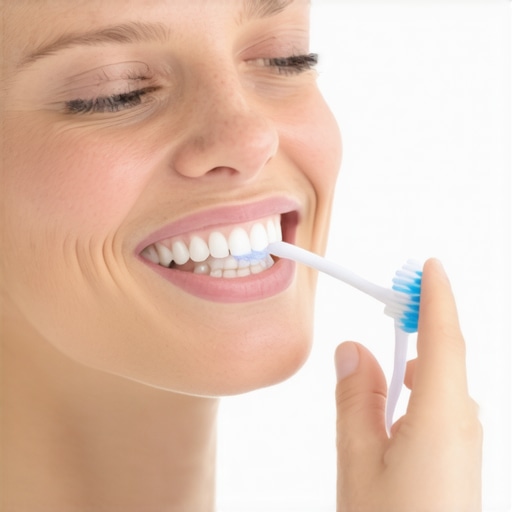
By embracing these practical steps, you transform your oral hygiene from routine to routine mastery. Remember, good dental health is not about perfection but consistency—small, deliberate actions that lead to a healthier, brighter smile over time.
Many people think they know the basics of oral health, but even seasoned patients and professionals can fall prey to misconceptions that hinder optimal care. One widespread myth is that all dental restorations, like crowns, are purely cosmetic; in reality, well-designed crowns can significantly enhance both the function and longevity of your teeth, preventing further issues and preserving oral health, as discussed in detail on [this comprehensive guide to crowns](https://familydentistpro.com/the-ultimate-guide-to-crowns-for-a-healthier-smile). Another misconception involves Invisalign, where many believe it’s only for minor alignment issues. However, when applied correctly, Invisalign can correct complex bite problems and serve as a suitable alternative to traditional braces, as highlighted in [the latest advancements in family dentistry](https://familydentistpro.com/invisalign-innovations-the-future-of-family-dentistry-revealed-at-1137-am).{{#image:prompt=close-up of a smiling person with Invisalign, high detail, natural lighting; alt=smiling person with Invisalign; title=Invisalign Smile Transformation}} One advanced nuance often overlooked is how improper usage or neglecting to follow through with recommended check-ups can lead to accelerated wear or failure of restorations like crowns or Invisalign appliances. This mistake is especially common among busy families who underestimate the critical importance of ongoing dental maintenance. Furthermore, many believe that family dentistry isn’t about specialist care, but deep down, understanding the nuanced differences in approaches tailored for different ages and conditions is crucial for comprehensive care. For example, managing gum health in children requires a different strategy than in adults, which is emphasized in [top oral health tips for families](https://familydentistpro.com/top-oral-health-tips-for-your-familys-bright-smiles).
Another hidden aspect is how psychological factors influence oral health behavior. Patients who underestimate the significance of regular check-ups often ignore early disease signs, leading to costly procedures later. This is where an expert’s perspective makes all the difference, ensuring that myths about ‘waiting until pain occurs’ are debunked. Always remember, proactive care and understanding the technological advances—such as the latest in dental materials and techniques—can make your journey smoother and more successful.
For those delving into the more technical side, questions about the longevity of dental restorations or how personalized treatments improve outcomes are common among advanced readers. One pertinent question is: ‘How does the choice of material in crowns impact their lifespan and compatibility with the body?’ Research indicates that ceramic and zirconia crowns not only provide superior aesthetics but also show enhanced durability and biocompatibility, as detailed in [the benefits of modern crowns](https://familydentistpro.com/transform-your-smile-how-crowns-boost-oral-health-confidence-at-815-am).
Have you ever fallen into this trap? Let me know in the comments, and remember that staying informed, questioning common beliefs, and collaborating with your dentist are the best ways to navigate the complex world of oral health successfully.Maintaining a healthy smile over the years requires more than just good brushing; it involves the right tools that stand the test of time. As a practitioner deeply invested in long-term results, I rely on equipment and techniques that have proven their value time and again. For instance, my go-to electric toothbrush is the Philips Sonicare DiamondClean, which offers superior plaque removal and gentle gum stimulation due to its ultrasonic technology. This device not only ensures consistent cleaning but also encourages patients to brush more thoroughly, especially those with sensitive gums or braces. When it comes to flossing, I recommend the Waterpik Aquarius Water Flosser. Its water jet effectively reaches between teeth and below the gumline, making it ideal for those with crowns, bridges, or orthodontic appliances like Invisalign.
But tools are only part of the story. Software like the Dental Monitoring app allows me to remotely oversee patients’ oral hygiene routines. It provides real-time feedback, helping patients refine their technique and stay motivated between visits. This kind of digital support is forecasted to be the future of family dentistry, enhancing adherence and early detection of issues.
In my practice, I also emphasize routine maintenance. Regular check-ups every six months, combined with the use of high-quality tools, significantly extend the longevity of restorations like crowns. Proper maintenance of crowns, for example, involves gentle cleaning with a soft-bristled brush and avoiding abrasive pastes that can wear down materials like zirconia. For long-term success, I instruct patients on how to care for their crowns at home, including avoidings foods that might chip or stain the restorative material.
How do I keep my patients’ treatments working long-term? I stress consistency in daily routines and the use of specialized devices. For example, I recommend a small, portable ultrasonic scaler for some patients to remove stubborn plaque at home, ensuring that their crowns and Invisalign appliances perform optimally. Each of these tools supports a comprehensive approach to oral health and preserves the investment made into their smile.
Looking into the future, innovations such as AI-powered cleaning devices and smarter intraoral cameras are poised to make at-home maintenance even more effective. Staying updated with these advancements allows practitioners like me to recommend the best equipment for durable results.
I suggest you try incorporating an advanced tool like the Waterpik Aquarius Water Flosser into your daily routine. Its proven effectiveness in maintaining healthy gums, especially around crowns and orthodontics, can significantly improve your long-term oral health. Remember, investing in the right tools is essential for keeping your smile functioning beautifully for years to come. Interested in more detailed recommendations? Visit our [comprehensive guide to crowns](https://familydentistpro.com/the-ultimate-guide-to-crowns-for-a-healthier-smile) for expert insights on maintaining restorations properly.
What No One Tells You About Overconfidence in Dental Choices
Early in my career, I thought switching to trendy natural remedies and fluoride-free products would instantly improve my family’s oral health. But I underestimated the importance of evidence-based care and proper technique, which are the real foundations of a healthy smile. This lightbulb moment taught me to balance innovation with proven practices, ensuring my family’s teeth are both beautiful and durable.
My Top Picks for Transforming Oral Hygiene Routine
An effective oral health journey requires the right tools. I trust the Philips Sonicare DiamondClean for its advanced plaque removal, and the Waterpik Aquarius Water Flosser for reaching those tricky spaces—especially around crowns and Invisalign. For beginners or those seeking convenience, these devices have truly elevated my advice from standard to game-changing, making maintenance more manageable and consistent.
Chasing Bright Smiles: The Power of Small Actions
Sometimes, the key to a lasting smile isn’t a dramatic change but small, deliberate steps. Incorporating tongue cleaning with a scraper or practicing mindful brushing for two minutes each time can seem simple, yet their cumulative effect is profound. Making these habits a part of daily life has been a fulfilling reminder that consistent, minor efforts lead to extraordinary results over time.
The Hidden Lessons Behind Smile Confidence
One powerful lesson I learned is that oral health isn’t just about aesthetics; it’s a gateway to confidence and wellbeing. Restorations like crowns or Invisalign aren’t merely cosmetic—they restore function and prevent future issues. Recognizing this has inspired me to educate families about choosing durable, biocompatible materials and embracing innovations that will keep their smiles vibrant for years to come, as discussed in our full guide on [crowns](https://familydentistpro.com/the-ultimate-guide-to-crowns-for-a-healthier-smile).
The Courage to Embrace Modern Family Dental Care
Looking ahead, I urge you to be open to emerging technologies and personalized treatments. From AI-assisted monitoring to advanced materials, the future of family dentistry is about empowering you with smarter solutions. Remember, your journey toward optimal oral health is uniquely yours—trust in proven methods, embrace the tools that fit your lifestyle, and don’t hesitate to seek expert advice to tailor a plan that lasts. What’s one small change you’re willing to try today to boost your family’s smile confidence? Share below and start your transformation!