
The Vinegar Soak That Safely Sanitizes Your Retainers and Guards
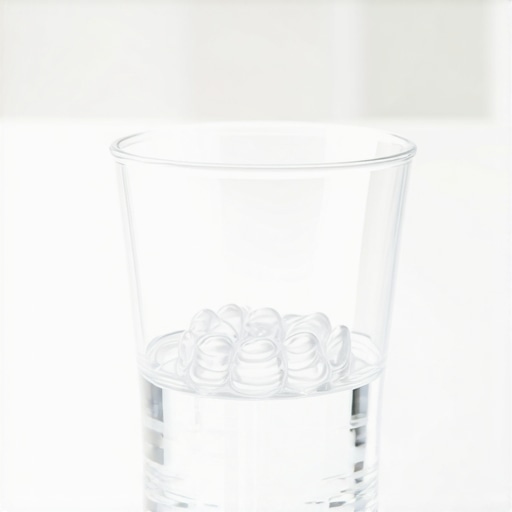
One night, as I tossed and turned, I realized that my retainer, which I had faithfully worn every day, had developed a faint, unpleasant odor. Despite frequent cleaning, it lingered. It hit me—what if my cleaning routine was missing a crucial step? That lightbulb moment led me down a path to discovering a simple, effective way to keep my retainers and guards truly sanitized without risking damage. If you’re like me, tired of smell issues or worrying about germs lingering on your dental appliances, then this post is for you. Today, I’ll share my personal experience with a vinegar soak method that not only sanitizes but also preserves the integrity of your retainers and guards.
Why Regular Sanitizing Matters More Than You Think
In the world of family dentistry, there’s a lot of talk about cleanings, crowns, and braces. But many of us overlook the importance of properly cleaning our retainers and guards. These appliances sit in our mouths all day and night, collecting bacteria, saliva, and food particles that can lead to unpleasant odors, plaque buildup, and even oral infections. A study published by the American Dental Association highlights that bacteria on dental appliances can contribute to gingivitis and other issues if not properly sanitizedhttps://familydentistpro.com/family-dentistry-trends-improving-oral-health-for-all-ages. That’s why a thorough cleaning routine isn’t just about fresh breath—it’s about safeguarding your overall oral health.
Early on, I made the mistake of using only mouthwash or boiling my retainers. While these methods seemed logical, they occasionally damaged the material or didn’t eliminate all germs. That’s when I stumbled upon a straightforward trick that changed everything: a vinegar soak. Vinegar is a natural disinfectant and, when used correctly, can effectively eradicate bacteria without harming your appliances. This revelation cost me a few missteps at first, like soaking too long or using too much vinegar, but I soon refined my routine to a simple method that I now swear by.
Is Vinegar Soaking Really Effective?
Initially, I was skeptical. Could something as simple as vinegar truly keep my retainers fresh and germ-free? To be honest, I was concerned about the smell and about potential damage to the plastic. However, after doing some research and testing, I found that a dilute vinegar solution provides the right balance of disinfecting power and safety. It’s a cost-effective, chemical-free alternative that fits seamlessly into my daily hygiene routine. I encourage you to consider this approach—not just because it works for me, but because countless dental professionals recommend vinegar as a natural cleaner, provided it’s used properly.
If you’re tired of dealing with stubborn odors or worried about residue buildup, then you’re in the right place. In the next sections, I’ll walk you through my tried-and-true method of vinegar soaking, ensuring your retainers and guards stay not only clean but also safe from harm. Are you ready to transform your dental hygiene routine and enjoy fresher, healthier habits? Let’s dive in.
Prepare Your Vinegar Solution Carefully
Start by mixing equal parts white vinegar and water in a clean cup or small basin. For example, pour half a cup of vinegar and half a cup of water. This dilution ensures maximum disinfectant power while maintaining safety for your appliances. I remember one time accidentally pouring undiluted vinegar directly onto my Invisalign; the strong smell and slight cloudiness made me realize the importance of correct mixing. After that, I always measure carefully to avoid any mishaps.
Soak Your Retainer or Guard for the Right Duration
Place your dental appliance into the solution, ensuring it’s fully submerged. Let it soak for approximately 15-20 minutes. Over-soaking can lead to material degradation, so sticking to this timeframe is essential. I once left my retainer in for an hour out of forgetfulness and noticed a duller appearance afterward, so now I set a timer. This step guarantees bacteria and odor-causing agents are effectively eliminated without risking damage.
Use a Gentle Scrub to Remove Residue
After soaking, gently brush your appliance with a soft toothbrush dipped in the vinegar solution. Focus on areas with visible plaque or stubborn debris. Remember, avoid harsh scrubbing to prevent scratches on the plastic—scratches can harbor bacteria and worsen odors. I personally find that a light circular motion does the trick and makes my retainer feel fresh. Always rinse thoroughly afterward with cool water to wash away any residual vinegar.
Rinse Fully Before Wearing Again
Rinse your retainer or guard under cold running water until all vinegar smell is gone. This step is crucial to prevent any lingering acidic taste or odor. If you notice a faint vinegary smell, run the appliance under water a bit longer. Once rinsed, inspect it visually; it should look clearer and feel smooth. I once skipped this rinsing step and experienced a mild sour taste, which was unpleasant, so I learned to rinse thoroughly every time.
Maintain Regular Cleaning Routine
Incorporate this vinegar soak into your weekly dental hygiene regimen, ideally once a week. Regular cleaning prevents buildup and keeps your appliances smelling fresh. Remember, combining vinegar cleaning with daily brushing and flossing is key to overall oral health, especially given that appliances like Invisalign or crowns act like shields, protecting your teeth from plaque accumulation. For essential tips on maintaining oral health with family dentistry, check this link.
While many believe that simply wearing Invisalign trays or maintaining regular dental visits guarantees perfect oral health, the reality is more nuanced. A common misconception is that aligners or crowns alone can solve deeper issues without proper attention to oral hygiene nuances. For instance, some think that brushing once a day suffices, but advanced studies show that interdental cleaning and understanding saliva’s role are crucial for long-term successhttps://familydentistpro.com/family-dentistry-trends-improving-oral-health-for-all-ages. Many also overlook the importance of monitoring micro-cracks in crowns, which can undermine restorations and lead to more costly repairs if ignored early. In my experience, assuming that all dental materials react the same way to oral acids can be a costly mistake; some ceramics are more resistant than others, and choosing the right restorative material requires expert knowledge. Have you ever fallen into this trap? Let me know in the comments.
Maintaining your oral health with Invisalign, crowns, or other family dentistry tools requires more than just regular visits; it’s about adopting the right maintenance practices and using the proper equipment. Over time, the effectiveness of your dental appliances hinges on consistent care and understanding which tools truly make a difference.
Investing in the Right Cleaning Devices
One tool I swear by is a UV sanitizing device specifically designed for dental appliances. Unlike traditional brushes or chemical cleaners, a UV sterilizer uses ultraviolet light to eliminate up to 99.9% of bacteria without any risk of material degradation. I personally use a portable UV sanitizer for my Invisalign trays—it’s compact, easy to operate, and provides peace of mind in ensuring my trays remain germ-free between cleanings. According to recent innovations in family dentistry, UV sterilization is rapidly becoming a preferred method due to its efficiency and safetyhttps://familydentistpro.com/family-dentistry-secrets-maintaining-oral-health-with-modern-techniques-at-254-pm.
Scheduled Maintenance and Professional Checks
While at-home tools are vital, nothing replaces periodic professional inspections. Regular visits allow your dentist to examine crowns for microcracks and check the fit of your appliances, preventing long-term issues. I schedule biannual checkups to catch any brewing problems early, especially with crowns that can develop hidden cracks over time. Additionally, ongoing professional advice can guide you on updating your appliance care routine, ensuring it adapts to changes in your oral health habits and appliance wear.
Utilizing Technology to Track Results
Smartphone apps now help me monitor my oral health progress. I use an app that allows me to record frequencies of cleaning, track appliance wear time, and get reminders for replacements or professional check-ins. This technology-driven approach motivates me to stay consistent and provides a historical record I can share with my dentist during appointments. As family dentistry advances, expect more integration of AI and app-based tools that will help personalize long-term maintenance routines even further.
How do I keep my appliances and restorations performing optimally over time?
To ensure your crowns, Invisalign, or other appliances maintain their functionality, it’s crucial to combine diligent at-home cleaning with regular professional evaluations. Use specialized tools like UV sterilizers and adaptive apps, and follow your dentist’s advice for routine adjustments. Remember, the longevity of your dental work directly correlates with your commitment to routine care and proper tool use. For expert insights on maintaining crowns or other restorations, check this link. And don’t hesitate to experiment with advanced cleaning methods like UV sanitation—sometimes, a small investment in the right equipment pays huge dividends in your dental health results. Try incorporating a UV sterilizer into your weekly routine and watch how it enhances your appliance longevity.
The Hidden Lessons About Dental Hygiene That Changed My Routine
One of the most eye-opening realizations I had was understanding how overlooked regular appliance maintenance can compromise overall oral health. I used to think that weekly cleans were enough, but I discovered that improper cleaning techniques or infrequent routines can lead to stubborn odors and bacteria buildup, risking gum health and appliance longevity. This taught me the importance of consistent, mindful care and the value of refining my routine over time to truly safeguard my smile.
My Go-To Resources for Family Dental Wisdom
I trust the comprehensive insights from Family Dentist Pro for staying updated on best practices. Their detailed guides on new technology like UV sterilizers and the latest in family dentistry tips have been invaluable. Additionally, their articles on innovative approaches like modern techniques help me adapt my routine with confidence. For deeper dives, I recommend the ebooks and webinars offered by reputable dental associations, which keep me informed and motivated to maintain my oral health.
Embracing Change: Why Small Steps Make a Big Difference in Smile Care
Taking charge of my dental routine has been empowering. I learned that integrating simple practices like weekly vinegar soaks and using UV sterilizers not only enhance appliance longevity but also boost my confidence. Remember, your consistent effort—no matter how small—can prevent costly repairs and health issues down the line. If you’re ready to elevate your oral health, start with manageable changes today; your future self will thank you.
What’s Your Next Step Toward Healthier Smiles?
Are you prepared to refine your appliance cleaning routine or invest in modern tools like UV sterilizers? Share your plans or questions below—I’d love to hear how you’re making your dental care more effective and enjoyable!