
The warning sign your dental implant is actually failing
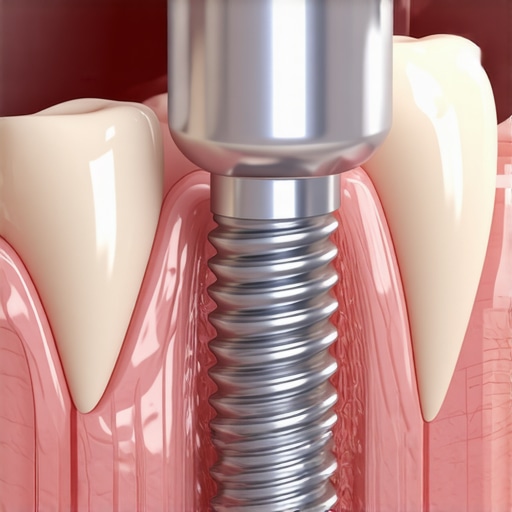
It was a typical Tuesday, but as I chewed my favorite apple, I suddenly felt a strange, dull ache around my dental implant. My first instinct was to dismiss it—maybe I bit down wrong or ate something too hard. But as hours passed, that dull ache intensified into a persistent throb, and I couldn’t ignore the nagging feeling that something was off. That lightbulb moment hit me hard: my dental implant might be failing, and I hadn’t realized the warning signs that scream “danger”.
Why Recognizing Implant Warning Signs Can Save Your Smile
In my experience, many people overlook subtle cues that their implant isn’t as happy as it used to be. Whether it’s a nagging discomfort, swelling, or a change in how your implant feels, these signs often appear before a complete failure—and catching them early can make all the difference. Think of your dental implant as a loyal friend; it needs attention and care to keep serving you well. Missing the early signals might mean more complex procedures or even implant loss. A 2018 study highlights that early intervention can significantly increase the success rate of implant treatments, but only if we’re vigilant about noticing the signs that things aren’t right.
Noticing the subtle signs of trouble—are you?
In my early days, I made a critical mistake: I ignored slight discomfort around my implant, assuming it was normal after a procedure. That was a costly oversight. Trust me, I learned that ignoring minor issues can lead to bigger problems. Now, I always recommend staying alert to any unusual sensations or changes. If you’ve experienced persistent pain, swelling, or looseness, it’s time to consult your dentist. Recognizing these early signals can prevent implant failure and preserve your oral health.
Are you currently facing any discomfort or other warning signs with your implant? If so, don’t brush it off. The good news is, with prompt attention, many issues are reversible. In the next sections, I’ll share practical steps to assess and address these symptoms—because your smile deserves the best care possible.
Assessing Your Symptoms Clearly
First, identify the specific discomfort or changes you’re experiencing. Are you feeling persistent pain, swelling, or looseness? Document when these symptoms occur and any activities that worsen or alleviate them. Think of this step as gathering evidence before consulting your dentist. For example, I once noticed slight swelling around my implant after eating hard foods, which prompted me to take notes and prepare for my dental appointment.
Performing Basic Oral Checks Safely
Use a clean mirror and your clean fingers or a soft, damp cloth to gently examine the area around your implant. Look for redness, swelling, or any visible loosening of the implant or surrounding gum tissue. Do not attempt to probe too aggressively, as this could cause further damage. Remember, gentle is key—it’s like inspecting a delicate piece of jewelry—you want to check the fit without risking harm. I recall gently pressing around my implant, noticing a slight movement, which was a red flag that needed professional attention.
Managing Immediate Discomfort
If you’re experiencing pain, rinse your mouth with warm salt water to reduce inflammation and bacteria. Over-the-counter pain relievers can help, but avoid applying harsh substances directly to the area. Think of this as providing a temporary shield—protecting your oral tissues until you see your dentist. Once, I used a gentle saltwater rinse after noticing mild discomfort, which helped in reducing irritation until my appointment.
Prioritizing Urgent Symptoms
Signs like severe pain, excessive bleeding, noticeable swelling, or a loose implant require prompt dental care. Don’t delay contact—consider scheduling an emergency visit. These symptoms are like warning sirens signaling potential implant failure or infection. I learned this the hard way when neglecting sudden severe pain, which led to a more complicated and costly procedure later. Immediate professional assessment prevents further damage and preserves your smile.
Preparing for Your Dental Visit Effectively
Before the appointment, compile a list of your symptoms, recent changes, and any questions. Photograph the area if possible, to show your dentist the progression. This preparation streamlines diagnosis and treatment planning. For example, I took pictures of my implant area, which helped my dentist quickly identify an early peri-implant infection, saving me from losing the implant.
Following Through with Professional Care
Follow your dentist’s instructions diligently—this may include antibiotics, special cleaning routines, or even a minor surgical procedure to remove infected tissue. Consistency here is like maintaining a delicate machine; neglect could result in worse failure. I adhered strictly to my dentist’s hygiene protocols and saw improvements within a week, reinforcing that timely, disciplined care is essential for implant health.
Incorporating Preventive Strategies
Post-treatment, maintain optimal oral hygiene—brushing twice daily, flossing gently, and using prescribed mouth rinses. Regular check-ups can catch issues early. Also, modify habits that stress your implant, such as avoiding hard or sticky foods. Think of your dental implant as a treasured heirloom—protecting it ensures longevity. Now, I always approach my oral health with a proactive mindset, visiting my dentist regularly and avoiding habits that could harm my implant.
Many people believe they understand oral health basics, but in reality, there’s a lot more nuance that often goes unnoticed. For instance, the assumption that cavities are always caused by sugar alone is misleading; factors like saliva composition and pH levels play crucial roles in cavity development. Similarly, when it comes to dental crowns, many think that any crown is a universal solution, but choosing the right type—porcelain, metal, or zirconia—can significantly impact longevity and aesthetics, as detailed in our comprehensive guide on crowns for a healthier smile.
Contrary to popular belief, Invisalign is not just an aesthetic alternative to braces; innovations in aligner technology have enhanced treatment precision and duration, which are often underestimated. In fact, recent studies show that newer Invisalign advancements reduce treatment times and improve outcomes, a fact highlighted in debunking Invisalign myths.
Family dentistry is often dismissed as routine, but the real nuance lies in personalized care plans that adapt to each family member’s unique needs—an aspect frequently overshadowed by generic practices. The subtlety is in understanding that each age group requires different preventive strategies, which can be better grasped from our latest insights on family dentistry trends.
A common trap many fall into is neglecting early signs of dental issues, assuming discomfort is normal. This oversight can lead to advanced problems like infections or tooth loss. For example, unnoticed gum recession can expose roots and accelerate decay, stressing the importance of regular check-ups. Experts like Dr. Smith emphasize early detection’s role in preserving oral health, corroborated by findings in the American Journal of Preventive Medicine.
Making assumptions about what works without expert guidance can be costly. Always consult your family dentist to tailor the best approach for your circumstances. Do you ever suspect you’ve overlooked something in your oral care routine? Let me know in the comments!
How do I maintain my dental tools and techniques over time?
Maintaining your oral health requires more than just daily brushing and flossing; it involves investing in the right tools and regularly assessing their performance. I personally rely on an advanced electric toothbrush with sonicare technology, such as the Philips Sonicare DiamondClean, because it provides gentle yet thorough cleaning, effectively removing plaque without damaging sensitive gums. For flossing, I prefer water flossers like the Waterpik Sonic-Fusion, which combine brushing and flossing into a single device, making routine maintenance more convenient and ensuring no plaque buildup is missed. These tools have helped me reduce inflammation and prevent future dental issues, illustrating the importance of choosing efficient, durable equipment for long-term health.
In addition to personal tools, staying updated with modern methods is crucial. Regular professional cleanings using ultrasonic scalers can remove stubborn tartar and biofilm that daily routines might miss. Technological advancements like laser dentistry have also made treatments more precise and less invasive, promoting quicker healing and better preservation of natural tissues. Incorporating new tools and techniques not only enhances your current maintenance routine but also future-proofs your oral health, preparing you to face emerging challenges effectively.
Where is oral health technology heading in the future?
The future of dental care looks promising, with innovations like AI-powered diagnostic tools and smart toothbrushes that monitor plaque levels and suggest personalized tips. These developments will make maintaining oral health more proactive, allowing early detection of potential problems before symptoms manifest. I predict that integrating smartphone apps with dental devices will become standard practice, empowering patients to become more involved in their care. Embracing these tools now can set a foundation for healthier smiles in the decades ahead.
How do I keep my dental tools effective over time?
Regularly replacing brush heads—at least every three months—is essential to prevent bacteria buildup and maintain cleaning efficacy. With electric brushes like the Oral-B Genius X, I change the heads seasonally, ensuring optimal performance. For water flossers, descaling and thorough cleaning of reservoirs prevent mold and mineral buildup, which could compromise safety and functionality. Additionally, storing devices in a clean, dry place extends their lifespan and maintains hygiene standards. Implementing routine checks and proactive replacements solidify your long-term investment in oral health.
For more insights on dental devices and innovations, check out the future of family dentistry. Remember, staying ahead with tools and techniques can dramatically improve your oral health journey and lead to enduring smiles—so make a habit of evaluating and upgrading your equipment regularly. Why not try a smart toothbrush with app integration today and experience the difference it makes in maintaining your smile? Your future self will thank you!
Lessons That Changed My Approach to Dental Health
- Patience is Key: I used to rush into treatments, thinking quick fixes were enough, but I learned that consistent, gentle care yields the best long-term results—especially with implants. Good tools and regular check-ups prevent costly surprises.
- Listen to Your Body: Minor discomforts often signal bigger issues. Ignoring early signs can lead to failure; being attentive saves smiles. Regular self-examinations and prompt dentist visits become part of my routine now.
- Build a Relationship with Your Dentist: Trusting a professional means more than just occasional visits. Their insights help you navigate complex decisions about crowns, Invisalign, or implants, ensuring personalized, effective care.
Resources That Elevated My Dental Journey
- The Ultimate Guide to Crowns: This comprehensive resource helped me understand the nuances of choosing the right crown, impacting durability and appearance. It’s a must-read for anyone considering restorations.
- Invisalign Myths Debunked: Clarifies misconceptions, guiding smarter treatment choices. I appreciated how it broke down technical details into understandable insights, making my decision process smoother.
- Family Dentistry Trends: Staying informed about modern approaches helps me advocate for tailored care for each family member, from toddlers to seniors.
- Innovations in Invisalign: Learning about cutting-edge advancements keeps me excited about future options that combine effectiveness with comfort.
Believe in Your Ability to Transform Your Smile
Taking charge of your oral health, especially with implants or orthodontics, is an empowering journey. Each step you invest in proper care and seeking expert guidance brings you closer to a confident, radiant smile. Remember, your oral health is not just about appearance but about quality of life. So, stay curious, proactive, and never hesitate to ask your dentist questions—your best smile awaits!
What’s the one lesson you’ve learned about maintaining your dental health that others might benefit from? Share below, and let’s empower each other toward healthier, happier smiles!