
I remember the morning I looked in the mirror and saw that chipped, dull tooth staring back at me. It wasn’t just about looks; I felt self-conscious every time I smiled or spoke. That lightbulb moment hit me hard—enough was enough. I needed a change, and I found that change in dental crowns. Since then, my confidence has skyrocketed, and my oral health has never been better.
Why Crowns Might Be Your Game-Changer
If you’re tired of hiding your smile or worried about the health of your teeth, you’re not alone. Many people face similar struggles, feeling stuck between cosmetic worries and dental health issues. The good news is that dental crowns can be a real game-changer. They’re not just about aesthetics—they’re about restoring strength, function, and confidence. Today, I’ll walk you through how crowns can transform your oral health and help you step out with confidence.
Is a Crown Worth the Hype or Just a Trend?
Early in my journey, I made the mistake of dismissing crowns as just cosmetic fixes. I thought they were unnecessary for something that seemed purely superficial. Turns out, I was wrong. Crowns protect weakened teeth from further damage, prevent decay from spreading, and improve overall oral health. According to the American Dental Association, crowns can extend the life of a compromised tooth by years. So, yes—this isn’t just hype. It’s a proven solution that can truly change lives.
Get Ready to Rebuild Your Smile
Assess Your Dental Damage
Start by identifying which teeth need crowns. I once had a molar that suffered a crack after a fall. My dentist examined it thoroughly—using X-rays to see the extent of the damage. This step is crucial because it determines the type of crown and preparation needed. Think of this like inspecting a foundation before building a house; you need to know what you’re dealing with.
Prepare Your Teeth Properly
Next, your dentist will reshape the tooth to make space for the crown. I remember my first appointment vividly—the dentist removed a thin layer of enamel, about the thickness of a contact lens. This step ensures the crown fits snugly. It’s a precise process, akin to sanding a piece of wood for a perfect fit. If done incorrectly, it can lead to discomfort or misalignment.
Take Accurate Impressions
After shaping, impressions of your teeth are taken. I watched as my dentist used a putty-like material to capture my teeth’s contours. These impressions are sent to a lab where the crown is custom-made. Accurate impressions are vital; a poorly taken impression can result in a crown that feels off or looks unnatural. Imagine trying to fit a puzzle piece that’s slightly too big—it’s frustrating and can cause future issues.
Choose the Right Material
Materials vary—from porcelain to metal alloys. I opted for porcelain because I wanted a natural look. The right material balances durability with aesthetics. For example, anterior teeth benefit from porcelain crowns that mimic natural enamel, while molars might need stronger metal options. Discussing your lifestyle and preferences with your dentist ensures you select the best fit.
Get Your Custom Crown
Once the lab finishes crafting your crown, you’ll return for fitting. I wore a temporary crown while waiting—a plastic cap that protected my tooth. During the final fit, the dentist checks the bite and appearance, making adjustments for comfort and look. A well-fitted crown can feel just like your natural tooth, boosting both function and confidence.
Secure Your Smile’s Future
Bond the Crown Properly
The final step is cementing the crown in place. I watched my dentist apply a special adhesive, then carefully set the crown onto my tooth. Light curing solidifies the bond. This step is critical; a loose crown can cause discomfort or fall out. Proper bonding ensures longevity and stability, much like setting a strong foundation for a building.
Maintain Like a Pro
Post-procedure, good oral hygiene keeps your crown in top shape. Regular brushing, flossing, and dental check-ups are essential. I make it a point to avoid biting into hard objects—think of your crown as a delicate but resilient piece of art that needs care. Regular visits also allow your dentist to spot potential issues early, ensuring your confidence remains unshaken.
Consider Supplementary Techniques
If you’re looking to further enhance your smile, explore options like Invisalign for aligning teeth before crowning, which can provide a more harmonious result. I read about [Invisalign Innovations](https://example.com) and realized how combining these techniques can maximize your confidence and oral health. Remember, a comprehensive approach yields the best results.
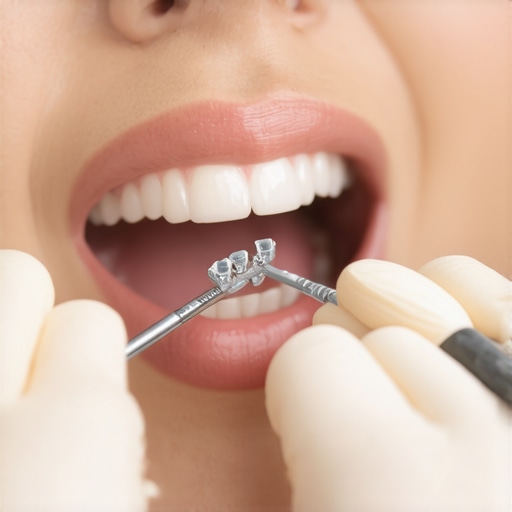 Many assume that dental crowns are merely cosmetic, a quick fix for a cracked or discolored tooth. While they do enhance appearance, this misconception overlooks their profound impact on long-term oral health. In reality, crowns serve as a critical barrier protecting weakened teeth from further decay and structural failure. Overlooking this benefit can lead to costly mistakes—such as delaying necessary treatment or choosing inappropriate alternatives—ultimately compromising your dental longevity. An advanced mistake I often see is the belief that crowns are a one-size-fits-all solution. In fact, selecting the wrong material or neglecting proper fit can cause discomfort, increased wear on opposing teeth, or even crown failure. It’s essential to understand that the nuances of crown design—like material choice and customization—directly influence durability and health outcomes. For example, porcelain fused to metal crowns offer strength but might cause a gray outline at the gumline, whereas all-ceramic crowns provide a more natural look but need precise preparation to prevent chipping. If you’re curious about the deeper technical aspects, I recommend exploring the question: How does the choice of crown material influence long-term oral health and patient satisfaction? Studies, such as one published in the Journal of Prosthetic Dentistry, highlight that material properties significantly affect crown longevity and biocompatibility. This is why consulting an experienced dentist and understanding these subtleties can elevate your treatment from good to excellent. Have you ever fallen into this trap? Let me know in the comments.Once your dental crown is in place, maintaining it becomes a straightforward part of your daily oral care routine. I personally rely on a few key tools and methods that keep my crown and entire smile in top shape. First and foremost, I swear by an ultrasonic toothbrush. These devices, like the Philips Sonicare series, use high-frequency vibrations to remove plaque more effectively than manual brushing. I find that they’re gentle on crowns but tough on bacteria, helping extend the crown’s lifespan and prevent decay around the margins. Pairing this with a high-quality fluoride toothpaste creates a protective barrier that guards against cavities and enamel erosion around your restored tooth. flossing is equally important, especially with the specialized floss designed for crowns and bridges. I prefer using a floss threader or a water flosser, like the Waterpik Aquarius, which makes cleaning between crowns easier and more thorough. These tools help remove debris and plaque that can accumulate in hard-to-reach areas, preventing gum disease and decay. Regular dental check-ups are non-negotiable. During my routine visits, my dentist uses advanced digital intraoral scanners to monitor the crown’s fit and health. These tools offer a detailed view that helps catch issues early before they become costly repairs. I recommend scheduling a professional cleaning at least twice a year, where your hygienist can employ ultrasonic scalers to remove hard deposits without damaging your crown. Looking ahead, the trend in dental maintenance is moving towards more integrated digital tools. Devices that sync with smartphone apps can now track your brushing habits, alert you to missed spots, and even remind you when it’s time for a check-up. This sort of tech can help you take proactive control of your oral health. How do I maintain my crowns over time? The key is consistency and using the right tools—investing in quality equipment like an ultrasonic toothbrush and water flosser, coupled with regular professional care. Additionally, avoid biting into extremely hard foods or using your teeth as tools, which can damage even the strongest crowns. I also suggest exploring modern techniques such as laser gum therapy for maintenance and early detection of gum issues, as highlighted in recent innovations within family dentistry. For example, research in the Journal of Clinical Periodontology emphasizes the benefits of laser treatment in preserving gum health around crowns and bridges. If you want to maximize your crown’s longevity, try incorporating an ultrasonic scaler and a water flosser into your daily routine. These tools have genuinely transformed how I care for my dental work and are worth the investment.
Looking back, I realize that embracing dental crowns was one of the most transformative decisions I made for my oral health and confidence. They taught me that investing in the right dental treatment isn’t just about appearance, but about long-term wellness and peace of mind. Every time I smile now, I remember how far I’ve come—and how crucial it is to trust your dental team and understand your options deeply.
The Hardest Lesson I Learned About Crowns
I used to think crowns were only for cosmetic fixes, but I discovered they can be vital shields for weakened teeth, preventing more serious issues down the line. It was a tough lesson—that neglecting early signs of damage can lead to costlier repairs later. Now, I know that timely crown placement can save you a lot of pain and money.
3 Myths About Dental Crowns That Held Me Back
One false belief was that crowns always look unnatural. I was worried about losing my natural look, but I found that modern materials like all-ceramic crowns blend seamlessly with my teeth. Another myth was that crowns are uncomfortable; in reality, with the right dentist, they feel just like your own teeth. Busting these myths was eye-opening and helped me make informed choices.
What Experts Won’t Tell You About Crowns
Many don’t realize that a crown’s success depends heavily on choosing the correct material and ensuring proper fit. An ill-fitting crown can cause discomfort or damage neighboring teeth. My dentist emphasized that ongoing maintenance and regular check-ups are vital, which is something I didn’t fully appreciate at first. Learning these insights from trusted professionals has kept my smile healthy and beautiful for years.
My Essential Toolkit for Maintaining Crowns
I rely on an ultrasonic toothbrush and water flosser for daily care. These tools help me keep my crown and surrounding gums in excellent shape, preventing plaque buildup and gum disease. Regular dental visits are also key—I schedule check-ups twice a year, where my hygienist uses advanced tools to detect early issues. Investing in quality dental care products and staying consistent has made all the difference.
Where to Go from Here
If you’re considering crowns, start by consulting a trusted dentist who can evaluate your specific needs. Research materials and treatment options, and don’t hesitate to ask questions. Your journey to a confident smile begins with understanding your options and taking proactive steps today. Remember, your smile is worth it.
Your Turn to Shine
Now that you know more about dental crowns, what’s holding you back from taking the next step? Whether it’s choosing the right material or finding a skilled dentist, I encourage you to act. Your future self will thank you for making that decision today.