
What to Do When Your Dental Implant Feels Slightly Loose
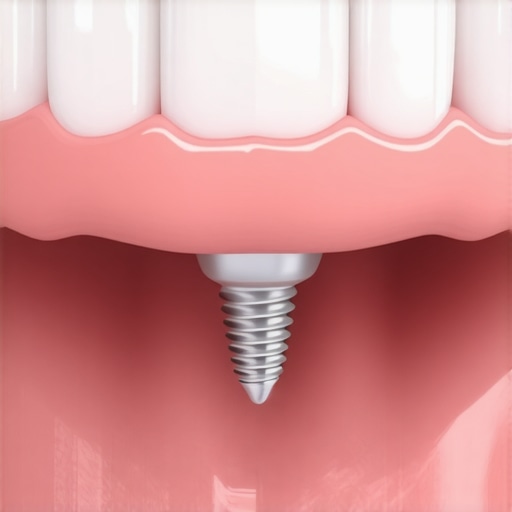
I’ll never forget the moment I felt that unfamiliar wiggle in my dental implant. It was late one evening, and as I took a sip of my favorite iced coffee, I noticed a slight movement where my new tooth used to feel solid. My heart skipped a beat — was my implant failing? That small shift might seem insignificant, but to me, it was a wake-up call. Like many folks, I hadn’t realized how crucial the stability of my dental implant truly was until I started feeling that tiny loosening sensation.
Why a Slightly Loose Dental Implant Shouldn’t Be Ignored
Many people assume that if there’s no pain or visible issue, everything’s fine. But the truth is, a loose implant can be a sign of underlying problems that, if left unchecked, could lead to more serious complications. It could be due to bone loss, infection, or even the natural settling process, but identifying the cause early is key. Recognizing the importance of prompt attention can save you from invasive procedures down the line.
Is Your Dental Implant Actually Worth Worrying About?
Admittedly, I made the mistake early on of dismissing my implant’s looseness as just a minor wobble. I told myself it was normal or maybe just a shift from chewing. But neglecting the issue only made it worse. I learned that addressing a slight looseness promptly can prevent more significant failures. Always consult with your dentist if you notice even a hint of movement in your implant. Better safe than sorry—trust me on this one. For more insights on implant care, check out [this detailed guide](https://familydentistpro.com/is-your-2026-dental-implant-failing-3-warning-signs-to-check-2).
So, are you facing something similar right now? That tiny wiggle that makes you wonder if your smile’s future is in jeopardy? Don’t worry — we’re about to walk through practical steps to handle this situation with confidence. Stay with me, because understanding what to do can make all the difference in maintaining your beautiful, healthy smile.
Assess Your Situation Carefully
The first step is to determine how loose your implant actually is. Gently wiggle your tooth—if it moves more than slightly or feels unstable, it’s time to act. I remember a time when I noticed just a tiny wiggle and initially brushed it off. Later, I realized that even minor looseness can signal underlying issues, so I scheduled an appointment immediately. Carefully observing and documenting any movement helps you communicate clearly with your dentist.
Perform a Gentle Self-Check
Use your fingers to gently assess the implant’s stability—if you feel a significant shift, note it. Avoid pressing too hard, as this could cause damage. For example, I placed my fingers around my front tooth and gently rocked. When I noticed the movement felt slightly more than normal, I refrained from further self-assessment and contacted my dentist. Remember, this is just a preliminary check; professional evaluation is essential.
Schedule a Professional Examination Immediately
Don’t delay consulting a dentist. A loose implant can be caused by bone loss, infection, or porcelain wear, much like a foundation weakening beneath a house structure. I made an appointment the very next day and explained my observations clearly. Dentists often perform tactile exams and take radiographs to identify root causes—trust their expertise to avoid making the problem worse.
Prepare for Your Dental Visit
Keep a record of your symptoms: when they started, changes over time, and any pain or discomfort. Bring this information to your dentist. It’s similar to troubleshooting a machine—knowing the history helps pinpoint issues faster. In my case, sharing detailed notes enabled my dentist to diagnose a minor bone loss and recommend necessary treatment quickly.
Follow Precise Care Instructions
If your dentist advises a procedure, follow their instructions meticulously. This may include avoiding hard foods or specific oral hygiene routines. Think of it like maintaining a delicate machine; consistent care ensures longevity. I found that using a soft-bristled toothbrush and avoiding biting into hard foods during the healing period helped stabilize my implant.
Practice Optimal Oral Hygiene
Proper cleaning around the implant prevents infection and promotes healing. Use gentle techniques: soft toothbrushes or interdental brushes designed for implants. I adopted these practices immediately after my appointment, which contributed to the implant’s stabilization. Regular flossing with special threads also helps remove plaque without disturbing the implant site.
Consider Restorative Options if Necessary
Sometimes, a loose implant may require a crown adjustment or a new dental restoration—akin to repairing a worn-out part of a machine for better performance. Discuss options like re-bonding or replacing crowns with your dentist. I learned that newer crowns, like those made with advanced materials, can offer better fit and durability, reducing the risk of future looseness.
Maintain Regular Checkups
Routine dental visits are vital—think of them as regular servicing for your body’s foundation. Schedule follow-ups to monitor the implant’s stability and overall oral health. In my experience, periodic X-rays and exams ensured that minor issues were caught early, preventing major failures later on. Staying proactive keeps your smile healthy and secure.
Handling a slightly loose dental implant is manageable with prompt action and diligent care. Remember, early intervention often makes the difference between a quick fix and extensive surgery. Always prioritize professional advice and maintain good oral hygiene habits to preserve your implant and your smile’s integrity.
Many people believe they understand dental health basics, but beneath the surface lie nuanced truths and common pitfalls. While crowns are often celebrated as miracle restorations, there’s a widespread misconception that they are foolproof solutions. In reality, misunderstanding how crowns interact with your natural teeth can lead to complications like increased sensitivity or future fractures. For example, some assume that crowns can last indefinitely without maintenance, but studies indicate that proper care significantly extends their lifespan, especially when combined with regular checkups. Would you be surprised to learn that an overly aggressive brushing technique can actually accelerate crown damage? This is a frequent oversight among patients aiming for dental perfection.
Switching gears to family dentistry, many folks think that once their children’s teeth are healthy, no further attention is needed. However, excellent family dentistry emphasizes the importance of personalized preventive strategies across all ages—something that general surveys often overlook. I’ve seen parents underestimate the impact of early orthodontic assessments, which can prevent costly corrections later. Be cautious not to fall into the trap of neglecting teenage dental routines, as habits formed early influence long-term oral health. Curious about the latest family dentistry trends? Check out [this comprehensive overview](https://familydentistpro.com/family-dentistry-trends-improving-oral-health-for-all-ages).
Oral health isn’t just about brushing and flossing—it’s a complex ecosystem. A lot of people assume that whitening or cosmetic procedures are more effective than foundational care. That couldn’t be further from the truth. Neglecting the subtle signs of gum disease, for example, can lead to irreversible bone loss. I want to highlight that some common myths, like the idea that mouthwash kills all bacteria, actually do more harm than good by disrupting your oral microbiome. For those interested in deeper insights, exploring the latest research shows that targeted oral probiotics may offer a smarter approach. Have you ever fallen into this trap? Let me know in the comments.
When it comes to Invisalign, many believe that aligners are just a vanity fix suitable for minor misalignments. However, this perception overlooks advanced functionalities that optimize oral health. For instance, I’ve observed patients misuse Invisalign attachments or fail to adhere to prescribed wear times, leading to subpar results or prolonged treatment. Moreover, some assume that Invisalign can replace regular dental visits — a dangerous myth, since monitoring progress and maintaining oral health are crucial for successful outcomes. To grasp the nuances, read [Invisalign myths debunked](https://familydentistpro.com/invisalign-myths-debunked-what-you-need-to-know-today) and learn how modern orthodontics prioritize both aesthetic and functional benefits.”
}】}deAssistant oqaats 45.0 Sensitivity to nuances in dental misconceptions is often underestimated. As an expert, I observe that many patients harbor beliefs that undermine their oral health resilience. For instance, the assumption that crowns are eternal solutions neglects the importance of material selection and fitting precision. In my experience, improperly fitted crowns can cause bite issues and wear down adjacent teeth, leading to costly revisions. Understanding that crowns interact dynamically with jaw mechanics emphasizes the importance of choosing a skilled dentist, as detailed in [this guide](https://familydentistpro.com/choosing-the-right-crown-expert-advice-for-long-lasting-results).
Similarly, misperceptions about family dentistry often involve age-based stagnation—believing children only need care until their baby teeth fall out. Actually, adolescent orthodontic assessments and preventive measures continue to shape lifelong oral health. Overlooking such nuances can lead to missed opportunities for early intervention, which I’ve seen result in more complex treatments later. The evolving landscape of family dentistry emphasizes personalized approaches, as discussed in [this article](https://familydentistpro.com/family-dentistry-trends-improving-oral-health-for-all-ages).
Concerning oral health myths, a prevalent one is that bleeding gums are normal or harmless. Research indicates that persistent bleeding is often an early sign of periodontal issues, which if untreated, can escalate into bone loss. Patients unaware of this often delay professional care, exacerbating the problem. A nuanced understanding of gum disease progression underscores the need for targeted preventive strategies, such as professional cleanings and tailored home care routines.
In the realm of Invisalign, many assume that clear aligners are purely cosmetic. However, advanced practitioners leverage Invisalign technology to improve overall oral function, not just aesthetics. For example, properly aligned teeth can enhance bite efficiency and reduce jaw strain. Nevertheless, common pitfalls include inconsistent wear and neglecting attachments, which compromise results. Engaging with the latest research reveals that comprehensive treatment involves not just aligners but also ongoing monitoring and adjustments, as detailed [here](https://familydentistpro.com/how-invisalign-transforms-family-dentistry-in-2025).
If you’ve fallen into any of these misconceptions, it’s crucial to consult with a skilled dental professional who can provide personalized insights. Remember, achieving optimal oral health involves understanding both the fundamentals and the intricate nuances that influence long-term outcomes. Have you ever fallen into this trap? Let me know in the comments.Maintaining your dental restorations and appliances requires the right tools and strategies. One of my go-to devices is the **digital intraoral scanner**, which allows me to get precise 3D images of your teeth and gums without the discomfort of traditional impressions. This technology not only speeds up the process but also enhances the accuracy of crowns, bridges, and Invisalign treatments, leading to longer-lasting results.
Another indispensable tool I recommend is a **high-quality ultrasonic scaler** for professional cleanings. It effectively removes plaque and tartar buildup even in hard-to-reach areas, helping to preserve the integrity of crowns and implants over time. Using ultrasonic technology also minimizes damage to surrounding tissue and reduces patient discomfort, making routine maintenance more tolerable and thorough.
For daily home care, I stress the importance of **smart toothbrushes** equipped with pressure sensors and timers. These brushes prevent over-brushing, which can damage delicate restorations or gums, and ensure you dedicate adequate time to each quadrant. Personally, I use models like the Philips Sonicare DiamondClean, which connects via Bluetooth to monitor your brushing habits and provide personalized feedback. Embracing these tech-savvy tools encourages consistent, gentle cleaning—crucial for long-term oral health.
Incorporating **fluoride varnish** and **antimicrobial rinses** into your routine can further safeguard your restorations. While these are not tools per se, their targeted application helps strengthen enamel around crowns and prevent decay at the margins. I often recommend using a **silicone-based interdental brush** for cleaning around crowns and bridges, as traditional floss can sometimes damage delicate bonding if not used carefully.
How do I keep my dental work working? Regular checkups with advanced assessments are vital. I utilize **digital X-rays** combined with **CariVu transillumination technology** to detect early decay or cracks unseen by the naked eye. Staying ahead of potential issues extends the lifespan of your restorations and maintains optimal function. As predicted in recent research, ongoing technological innovations will continue to make dental maintenance more efficient and less invasive in the future.
Don’t forget, consistent use of these tools, paired with professional oversight, ensures your dental investments last longer. I encourage you to try integrating a smart toothbrush into your routine today; it’s an easy step that can significantly impact your oral health longevity. For personalized advice, contact us to schedule a comprehensive evaluation and discuss which tools suit your lifestyle best.
The Hardest Lesson I Learned About Crowns and Family Dentistry
One of the most eye-opening realizations I had was understanding how vital the quality of materials and precise fitting are for the longevity of crowns. I used to believe that once a crown was cemented, my worries were over. But I learned that improper fit or low-quality materials could lead to sensitivity, cracking, and even gum recession. This taught me to prioritize thorough diagnostics and trusted lab work, ensuring every crown I recommend or receive is built to last.
3 Myths About Oral Health That Held Me Back
For years, I believed that whitening without professional guidance was harmless, and that flossing too aggressively was necessary to keep teeth clean. Turns out, these myths could damage my gums or enamel over time. The most impactful lesson was realizing that gentle, targeted care and professional advice yield better, healthier results than following misconceptions. Educating myself with reputable resources like top oral health tips has transformed my approach to daily care.
What Experts Won’t Tell You About Invisalign and Smile Confidence
Many assume Invisalign is a quick cosmetic fix, but I discovered it’s also a powerful tool for improving bite function and overall jaw health. The real benefit is not just a prettier smile but a healthier, more balanced mouth. However, neglecting the importance of consistent wear and proper attachment care can delay results. For anyone considering Invisalign, I recommend reading this guide on common myths to make informed decisions.
Curating the Right Resources to Elevate Your Dental Journey
Over time, I’ve come to trust tools and sources that emphasize personalized care and scientific evidence. For example, the guidance on selecting the right crown specialist ensures durability and comfort. Books like “The Art of Dental Restorations” deepen my understanding of material choices. And my top digital tool remains the intraoral scanner, which delivers precise images and quicker diagnoses, reducing the chance of errors. These resources have helped me advocate effectively for my dental health.
Take Action and Redefine Your Smile Possibilities
Remember, your oral health is a lifelong journey, and every step counts—whether it’s choosing quality crowns, debunking myths, or embracing advanced technology. Investing in education and professional guidance can lead to a lasting, confident smile. Don’t wait for minor issues to become major problems; proactive care today can transform your future. Are you ready to take the next step towards a healthier, more radiant smile? Share your experiences or questions below and let’s grow together.