
Why you should never use a toothpick on a dental implant
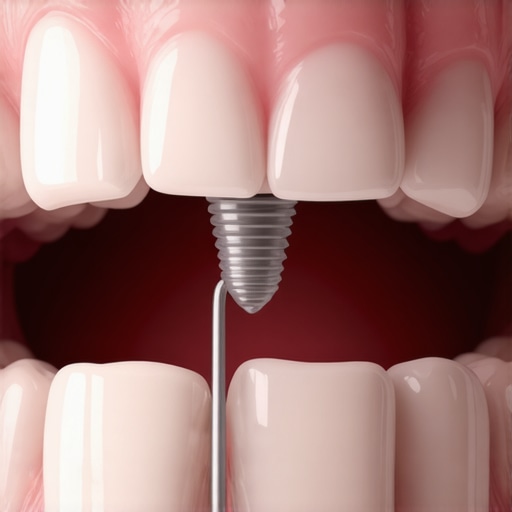
I remember the moment clearly—it was after a family dinner when I nervously reached for that tiny wooden tool to clean between my teeth. Instantly, I felt a sharp jolt near my new dental implant. My heart sank. That little toothpick, which I thought was harmless, had caused my smile more trouble than I anticipated. If you’ve ever wondered whether that toothpick is your best friend or your worst enemy, you’re not alone. Many people underestimate the subtle dangers lurking in seemingly innocent oral hygiene habits.
The Hidden Risks of Using Toothpicks on Dental Implants
Have you been tempted to use a toothpick on your implant because it feels like the quickest fix? Think again. Early on, I made this mistake, thinking I was just being thorough. Instead, I learned the hard way that dental implants require a gentle touch and specific care. Using a toothpick can damage the implant’s surface or the surrounding gum tissue, leading to inflammation or even implant failure. According to the American Association of Oral and Maxillofacial Surgeons, improper cleaning techniques can compromise the stability of dental implants, making this an issue worth serious attention. So, what’s the alternative? Today, I’ll guide you through safe and effective ways to keep your implant healthy without risking damage.
Have you faced this dilemma before? Drop your experiences in the comments—I know firsthand how tricky it can be to maintain a healthy smile after an implant. Now, let’s explore why traditional toothpicks are more harmful than helpful and discover better methods to care for your dental implants.
Master Gentle Cleaning Techniques for Your Implants
During my own recovery, I discovered that using a soft-bristled toothbrush paired with special implant-safe floss was essential. Instead of aggressive scrubbing, I gently brushed in small circles, mimicking the motion of polishing a delicate piece of glass. This prevented trauma to the gum tissue and kept plaque at bay. For those new to implant care, consider trying interdental brushes or water flossers designed specifically for implants to avoid damage caused by improper tools.
Choose the Right Tools to Avoid Damage
Opt for Purpose-Built Oral Hygiene Aids
When I replaced toothpicks, I found that interdental brushes offered a safer alternative. Think of them as tiny scrub brushes, perfect for cleaning around the implant without poking or scraping. Avoid traditional toothpicks: they act like rough chisels on your delicate tissues, risking injury. For more insights into proper implant maintenance, visit this comprehensive guide.
Learn How to Floss Correctly
Flossing around implants requires finesse. I looped dental floss around my finger, gently slid it under the gum line, and used careful zig-zag motions, avoiding any sawing. If you’re unsure, try interdental picks or floss threaders, which make maneuvering easier and safer compared to toothpicks. Proper technique is paramount; think of it as untangling delicate jewelry without snapping the chain.
Implement Proper Daily Routines for Long-Term Success
Consistency matters more than intensity. I set a reminder to brush twice daily with an implant-specific toothpaste that’s gentle yet effective. When I noticed spots where plaque lingered, I dedicated extra attention, using a rubber-tip stimulator to gently massage the gums. Regularly moving through your routine, substituting dangerous tools with safer options, ensures your implant remains healthy and stable.
Schedule Regular Professional Cleanings
Even with diligent home care, professional cleanings are vital. During my visits, my dentist used ultrasonic devices that removed deposits gently, preventing damage to the implant surface. Think of this as a routine tune-up for your car—preventative care saves you from costly repairs later. Don’t ignore these appointments, especially if you notice any discomfort or unusual symptoms; early intervention preserves your investment.
Be Mindful of Your Oral Environment
My experience taught me that diet also plays a role. I minimized sugary and acidic foods that promote plaque buildup. Drinking plenty of water helps wash away bacteria and debris without harsh scrubbing. Just like maintaining a balanced diet enhances overall health, a clean mouth minimizes risks of peri-implantitis or other complications.
While many believe that brushing and flossing are straightforward tasks, the truth is that oral health is riddled with subtle complexities that many tend to overlook. One common misconception is that all dental restorations, such as crowns, are created equal. However, choosing between different types—like porcelain versus metal crowns—can significantly impact your long-term oral health and maintenance routine.
Another often misunderstood aspect is the role of family dentistry in preventative care. Some assume that visiting the dentist only when issues arise is sufficient, but regular check-ups can prevent minor problems from escalating into major, expensive treatments. Family dentists are trained to identify early signs of decay or gum disease, making proactive visits invaluable.
Now, let’s dive into the myths surrounding Invisalign. Many think it’s just cosmetic, but advancements have made Invisalign an effective solution for complex bite issues and crowding. Still, some overlook the importance of patient compliance; wearing aligners as prescribed is crucial for success. Failing to adhere can lead to treatment delays or suboptimal results.
Curious about how detailed your oral care routine should be? Consider this: not all dental materials respond the same way to oral environment changes. For example, some composite fillings may stain over time, requiring more specialized maintenance. According to a study in the Journal of the American Dental Association, understanding the properties of your dental materials can influence the longevity of your restorations and overall health.
Have you ever fallen into this trap? Let me know in the comments. Remember, mastering the nuances of oral health—not just the basics—can make a real difference in preserving your smile for years to come. For in-depth guidance on choosing the right crown or understanding the benefits of different orthodontic options, explore our comparison of crowns and veneers or check out debunked Invisalign myths. Taking the time to understand these details ensures you’re making informed decisions for a healthier, more confident smile.Maintaining your oral health over time requires more than just good intentions; it demands the right tools and consistent routines. As someone who has navigated the complexities of crowns, implants, and family dentistry, I can attest that investing in high-quality equipment and adopting proven methods makes all the difference. One tool I swear by is the Waterpik Ultra Water Flosser. It effortlessly removes plaque from hard-to-reach areas around crowns and implants, reducing inflammation and enhancing longevity. Unlike traditional floss, its pulsating stream disrupts biofilm without risking damage to delicate restorations, which is particularly vital for long-term success.
Why I Trust the Sonicare DiamondClean Smart
Using an electric toothbrush like the Sonicare DiamondClean Smart has transformed my daily routine. Its oscillating and sonic vibrations effectively disrupt plaque buildup, while personalized brushing modes ensure gentle yet thorough cleaning—crucial around restorations like veneers or crowns. Moreover, its app integration offers real-time feedback and reminders, helping me stay consistent even on busy days. For those serious about preserving their investments in dental work, this system offers measurable advantages over manual brushing, as studies highlight that powered devices achieve plaque removal levels unattainable by hand alone.
Leveraging Advanced Cleaning Accessories
Incorporating specialized tools like interdental brushes with flexible shafts helps me clean around bridges and tight spaces without risking gum trauma. I’ve found that narrow, cone-shaped brushes designed specifically for implant-supported restorations are game-changers. Additionally, sonic vibrators like the GiGi Ultrasonic Dental Scaler assist in removing stubborn deposits without invasive procedures, especially useful for those prone to peri-implantitis. Regular use of these tools, paired with proper technique, extends the lifespan of restorations and prevents costly repairs.
Scheduled Maintenance and Digital Monitoring
Beyond manual tools, leveraging modern software plays a crucial role. Many dental practices now offer digital monitoring apps that sync with your dental records, allowing you to track oral hygiene habits, receive reminders for professional cleaning, and even get early alerts if potential issues arise. I personally set monthly goals within my app, such as consistently flossing with interdental picks and using my water flosser, which keeps me accountable. This proactive approach aligns with the emerging trend of integrated oral health management, ensuring sustained results and early problem detection. As the American Dental Association suggests, routine professional evaluations complemented by high-quality home maintenance are essential in extending the life of crowns and implants.
Future Trends: Smarter, Faster, More Personalized
I predict that as technology advances, we’ll see even smarter devices that analyze plaque composition, suggest personalized care routines, and incorporate AI diagnostics directly into consumer-grade equipment. For example, upcoming electric toothbrush models are expected to include sensors that detect gum inflammation or early signs of decay, prompting immediate action. These innovations promise to streamline long-term maintenance and minimize the risk of complications. To stay ahead, I recommend trying out the latest generation of sonic toothbrushes or water flossers that integrate data tracking—taking your dental routine from good to groundbreaking. To learn more about choosing the right crowns or understanding how advanced tools impact restoration longevity, explore our detailed advice on crown durability. Remember, investing in the right tools and habits today can safeguard your smile for decades to come.
Little Secrets That Changed My Approach to Oral Health
One of the most eye-opening lessons I learned was how easily common tools can do more harm than good. I used traditional toothpicks thinking I was maintaining my smile, only to discover they were scratching my implant surfaces and aggravating my gums. This realization pushed me to seek safer alternatives, reminding me that sometimes, simple habits can have big repercussions. It’s crucial to question everyday routines and recognize that what feels quick and convenient may not be best for long-term health.
Prioritize Quality Over Convenience in Dental Tools
My experience taught me that investing in purpose-built tools like interdental brushes and water flossers can drastically improve implant care. These tools are designed with the delicate nature of restorations in mind, preventing accidental damage and ensuring thorough cleaning. Trust me when I say that upgrading your kits and routines can save you from costly repairs and frustrations down the line, transforming your daily oral health management into a more effective practice.
Patience and Consistency are Your Best Friends
Where I once believed in quick fixes, I now appreciate the power of consistent routines. Gentle brushing, regular flossing with the right aids, and routine professional checkups create a foundation of healthy, resilient smiles. Small daily actions compound, safeguarding your restorations and natural teeth alike. Remember: your commitment today is an investment that pays dividends in confidence and comfort tomorrow.
Curated Resources That Made a Difference in My Journey
For anyone serious about mastering their oral health, I recommend exploring the comprehensive guide to crowns. It offers in-depth insights that demystified many of my doubts. Additionally, tools like the Sonicare DiamondClean Smart revolutionized my brushing, providing personalized, gentle yet effective cleaning. Lastly, digital apps from my dentist help me track habits, schedule appointments, and catch potential issues early, turning routine maintenance into an empowering part of my life. These resources are invaluable for anyone looking to elevate their dental care routine.
Keep Your Smile Bright and Strong: Your Next Step
The path to a healthier, more confident smile begins with understanding that daily choices matter. Whether it’s selecting the right tools or embracing a routine that respects your restorations, every action counts. I encourage you to take small steps today—schedule that professional cleaning, upgrade your toothbrush, or try new flossing aids. Your future self will thank you for the effort. Remember, mastering the nuances of oral health isn’t just about fixing problems; it’s about proactive empowerment for a lifetime of smiles.
Have you ever discovered a simple change that made a huge difference in your oral health routine? Share your story below—I’d love to hear how small adjustments transformed your dental experience.