
Why your breath smells like sulfur when you wake up

I used to dread mornings because of one small, stinky surprise—my breath would reek of sulfur, and I had no idea why. One day, after a particularly rough night, I caught myself in the mirror and decided enough was enough. The smell was so strong it woke me up, and I asked myself, “Why is this happening?” That lightbulb moment led me down a path of discovery, and I want to share what I learned so you don’t have to suffer through this mystery alone.
The Unexpected Culprit Behind Morning Sulfur Smell
Turns out, that particular smell isn’t just about bad hygiene or temporary indigestion. It often signals an underlying issue with your oral health—specifically, the bacteria that reside naturally in your mouth. During sleep, your saliva production drops, creating a perfect environment for bacteria to multiply and produce sulfur compounds, which are responsible for that foul odor. There’s more to it, though. Sometimes, this problem is linked to larger concerns, like the health of your gums or even underlying infections.
Based on my experience, I initially ignored the problem, thinking it was normal or just part of aging. I didn’t realize how much it could affect my confidence throughout the day or signal more serious issues. My mistake was dismissing this common problem until it worsened. A quick visit to my dentist, who explained that a buildup of plaque and bacteria was the main cause, was eye-opening. They recommended a good oral hygiene routine and, if necessary, professional cleaning to get rid of the bacteria and prevent future issues. If you’re curious, I also found that using antibacterial mouthwash and staying hydrated can make a huge difference.
But what about persistent or severe cases? Could it be something more? That’s where understanding the root causes and seeking professional advice can really save you from ongoing discomfort—and maybe even more significant health problems.
Looking Forward — What We Will Cover Next
If this sounds familiar, don’t worry. We’re going to explore practical steps you can take right now to keep morning breath fresh and healthy. From simple home habits to knowing when it’s time to see a professional, I’ll share insights I’ve picked up along the way. So, if you’ve faced that sulfur smell first thing in the morning, keep reading. Your fresh breath journey starts here.
Is Flossing or Using Mouthwash Actually Worth the Effort?
I’ll admit, I made some early mistakes—like neglecting regular flossing, thinking brushing alone was enough. Turns out, I was missing out on the real secrets to a clean, fresh mouth. For more tips, check out top oral health tips for your family’s bright smiles.
Perfecting Your Brushing Technique
Start with a soft-bristled toothbrush, replacing it every three months to prevent bacterial buildup. Position your brush at a 45-degree angle to your gums and use gentle circular motions for at least two minutes. I recall once rushing through my brush, missing the back molars, which led to persistent bad breath. After dedicating full attention and following this method, I noticed immediate freshness and plaque reduction.
Effective Flossing Strategies for Deep Clean
Use about 18 inches of floss, wrapping most around your middle fingers. Gently slide between teeth, curving around each tooth to clean beneath the gumline. I struggled initially, often snapping floss or missing tight spaces. Practicing patience and moving slowly made a huge difference, preventing gum irritation and removing trapped debris that causes odor.
Choosing the Right Mouthwash
Opt for an antibacterial mouthwash containing chlorhexidine or cetylpyridinium chloride. Rinse for 30 seconds after brushing and flossing. I once skipped this step, leading to lingering sulfur smells; after incorporating it into my routine, my breath stayed fresh longer. Remember, mouthwash complements daily cleaning but doesn’t replace it.
Hydration and Diet Impact on Oral Health
Drink plenty of water throughout the day, especially before bed, to keep saliva production high. Limit sugary foods, which foster bacteria growth. I noticed my mornings improving significantly after carrying a water bottle everywhere and cutting back on snacks. Proper hydration helps wash away bacteria and aids in neutralizing odors.
Professional Dental Visits Matter
Schedule check-ups biannually for professional cleanings. Dentists can remove plaque buildup you can’t reach at home, like under crowns or around implants. I once ignored a small cavity until it worsened; after a quick visit for a crown, I learned how vital regular visits are, especially if you’re using advanced solutions like crowns or Invisalign.
Manage Tongue and Oral Surfaces
Use a tongue scraper each morning to remove bacteria residing on the tongue’s surface. I found that this simple step drastically reduced bad breath and improved overall oral freshness. Regular cleaning prevents bacteria from colonizing and producing sulfur compounds.
Utilize Dental Technologies
Consider modern options like Invisalign or crowns to restore damaged teeth and enhance your bite. These solutions, when properly maintained, can significantly improve oral hygiene, making daily routines more effective. For specific advice on selecting lasting restorations, visit this guide.
Consistency Is Key
Stick to your routine daily—morning and night—without exceptions. I once skipped a few nights due to travel, and the sulfur smell returned. After recommitting to strict routines, the odor vanished, and my confidence returned. Remember, small daily habits compound to give you lasting results and fresh breath.
Many individuals believe that maintaining good oral hygiene is simply about brushing twice a day and avoiding sweets. However, this oversimplification masks several critical nuances that can significantly impact your dental health and the longevity of treatments like crowns and Invisalign. One common myth is that all dental restorations are permanent and require no further attention after placement. In reality, crowns, for instance, are durable but need proper maintenance and periodic professional assessments to prevent issues like decay beneath the crown or marginal deterioration.
Another misconception involves Invisalign treatments. Many think that once aligners are removed, the smile stays perfectly aligned forever. But without proper retainer use, teeth can shift back, which is a subtle but often overlooked aspect. The latest innovations have expanded options, yet the responsibility for maintaining results ultimately rests with the patient.
One trap I want to highlight is the assumption that cheaper or over-the-counter solutions can replace professional dental care entirely. For example, veneers may seem appealing as a quick fix for cosmetic issues, but they don’t address underlying oral health problems, which if neglected, can lead to more severe complications. Investing in quality restorative work paired with expert advice yields far better long-term results.
What Sophisticated Dental Concerns Get Ignored in Routine Care?
Advanced issues like silent tooth decay beneath crowns or early signs of gum recession often go unnoticed because they lack obvious symptoms. Regular dental check-ups are essential to catch these hidden problems early. Studies show that routine imaging, like digital X-rays, can reveal decay or bone loss before symptoms become severe, emphasizing the importance of professional evaluations. Skipping these assessments can be a costly oversight, as small issues tend to escalate quickly.
Ultimately, understanding these nuances empowers you to make informed decisions about your oral health, whether it’s about choosing the right restorative options or maintaining the benefits of orthodontic treatments like Invisalign. Remember, consistency in your dental routines and regular visits are the cornerstones of long-lasting oral health. How have you managed to avoid common pitfalls? Share your experiences below—I’d love to hear!
Keep Your Smile Working: Essential Tools for Lasting Oral Wellness
Maintaining your oral health over the long haul goes beyond just brushing and flossing. Investing in the right tools can make a significant difference in preventing issues and ensuring your treatments, like crowns or Invisalign, last as intended. Personally, I rely on a few specific items that have dramatically improved my daily routine and saved me from costly dental repairs.
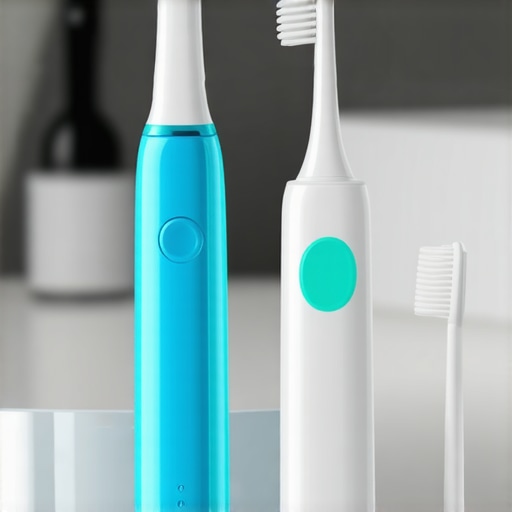
First, I swear by an ultrasonic toothbrush. Unlike manual brushes, these devices use high-frequency vibrations to remove plaque more effectively and reach deeper into the gumline. My favorite is the Sonicare DiamondClean, which I use twice a day. Not only does it tackle stubborn deposits, but the built-in timers ensure I brush for the recommended two minutes. Regular use of this tool contributes to healthier gums and prolongs the life of dental restorations, making it a worthwhile investment.
Complementing my toothbrush is an oral irrigator, specifically the Waterpik Ultra. Water flossing is a game-changer, especially around dental crowns and braces, where traditional flossing can be tricky. I use it nightly to flush out debris, which helps prevent cavities and gum disease—both critical for preserving restorative work and orthodontic results. The pulsating water also stimulates circulation, supporting overall oral tissue health.
For those with restorations like crowns or veneers, a specialized interdental brush like the TePe EasyPick aids in cleaning hard-to-reach areas without damaging sensitive surfaces. I keep a pack in my travel bag, ensuring I can maintain cleanliness anywhere. Additionally, I regularly schedule professional cleanings with a dental hygienist who uses ultrasonic scalers, further ensuring plaque doesn’t compromise my restorations or cause gum recession.
In terms of software, I recommend using a dental health app such as MyDentalCare. It tracks your routines, reminds you when to replace brushes or schedule check-ups, and stores records of dental visits and treatments. Staying organized helps me catch potential issues early, particularly when I’m managing complex care like Invisalign adjustments or crown maintenance.
How do I maintain my dental tools over time?
Proper care of your dental tools fundamentally extends their effectiveness and lifespan. For ultrasonic toothbrush heads, rinse thoroughly after each use and replace them every three months—more often if you notice fraying or decreased performance. Interdental brushes and irrigator tips should be cleaned after each session and replaced every few months. Checking with manufacturer guidelines, like those provided by dental research standards, can help optimize your routine.
Looking ahead, advancements in AI-driven dental devices may offer even smarter ways to monitor and maintain oral health at home, reducing the need for frequent visits and catching problems early. For now, combining high-quality physical tools with vigilant self-care is your best bet.
If you’re serious about long-term results, I encourage you to try a professional-grade ultrasonic toothbrush and consistent water flossing. These small upgrades to your routine can dramatically decrease plaque buildup and support the longevity of crowns and Invisalign treatments. Ready to give them a shot?
The Little Lessons That Changed My Outlook on Oral Care
One of the most eye-opening realizations for me was realizing that consistent, mindful habits outweigh quick fixes. I used to think that brushing was enough; however, discovering the importance of tools like ultrasonic toothbrushes and water flossers transformed my routine and gave me long-lasting confidence. The value of regular tongue scraping and understanding how small daily adjustments can prevent big problems became my secret weapon to maintaining a fresh morning breath.
Tools and Resources That Elevated My Smile Care Game
Investing in quality tools made a profound difference. The Sonicare DiamondClean toothbrush helped me reach every corner, while the Waterpik Ultra kept my gumline healthy and clean. I also rely on interdental brushes like TePe EasyPick to access tricky spots around crowns and veneers. Books such as top oral health tips for your family’s bright smiles have provided invaluable insights, reinforcing that knowledge is key to ongoing success.
What Keeps My Smile Bright and My Mouth Happy
Beyond tools and routines, listening to my body and scheduling regular check-ups have been game-changers. Recognizing early signs of gum recession or decay through professional evaluations prevents costly interventions down the line. Maintaining a balanced diet and staying hydrated nourishes my oral tissues, while understanding the nuances behind dental restorations like crowns or Invisalign ensures I don’t unknowingly compromise their longevity. Simple practices—like proper storage of my toothbrush and mindful eating—keep my smile resilient and radiant every day.
Remember, your journey to a healthy, fresh morning breath is built on consistent habits, quality tools, and expert guidance. How have you adapted your routine recently to enhance your oral health? Share your experiences below—I’m eager to learn from your story!