
Why Your Child’s Adult Teeth Look Yellow Compared to Their Baby Teeth
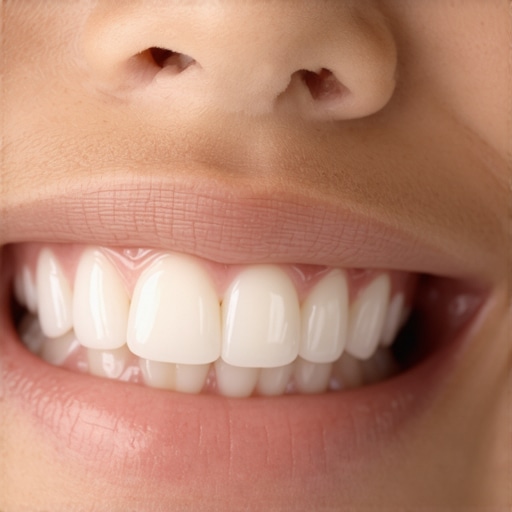
I remember the moment vividly—my child’s first pediatric dental appointment. Everything looked perfectly normal until the dentist gently pointed out that my child’s adult teeth were noticeably more yellow than their baby teeth. It was a tiny detail that suddenly felt like a red flag, sparking a wave of concern and curiosity in my mind. If you’ve noticed a similar discoloration in your child’s adult teeth, you’re not alone—and believe me, you’re not overreacting.
As parents, we often focus on brushing and flossing, assuming that bright white teeth are the standard of good oral health. But when your child’s adult teeth emerge with a yellowish tint, it can be confusing and a little disconcerting. The truth is, this color shift is pretty common and usually nothing to panic over. During the eruption phase, the outer enamel layer—the part we see—may be thinner or less mineralized, revealing the natural dentin underneath, which is naturally darker and yellower.
Moreover, the development of enamel can be influenced by various factors, including nutrition and genetic predispositions. Sometimes, if a child has had prolonged exposure to certain antibiotics like tetracycline during tooth development, their teeth can develop a yellow or grayish hue, a condition known as ‘intrinsic staining.’ This is why understanding the root cause is essential.
What’s more, I learned early on that many parents mistakenly think that all discoloration indicates poor hygiene. This misconception can lead to unnecessary worry or, worse, neglect of professional advice. In fact, some discoloration is perfectly normal, especially during the transition from primary to permanent teeth.
If you’re wondering whether this yellowness is something you should address, you’re in the right place. We’ll explore practical steps to assess and improve your child’s dental health, ensuring they feel confident about their smile.
Initially, I made the mistake of rushing into whitening treatments without consulting my dentist. I thought, “A quick bleach could fix this!” Turns out, many over-the-counter whitening products are not suitable for children and can do more harm than good. The truth is, professional guidance is crucial in dealing with discoloration, especially in young teeth, where the enamel is still developing.
To get accurate advice tailored to your child’s needs, consider visiting a trusted family dentist. They can evaluate whether the yellow tint is physiological, stemming from genetics, or if there’s an underlying issue requiring treatment. Sometimes, the solution might be as simple as improving oral hygiene or addressing dietary habits.
Curious about how to prevent further discoloration? For starters, limiting sugary foods and drinks is vital. You can find more tips on [top oral health practices for the whole family](https://familydentistpro.com/top-oral-health-tips-for-your-familys-bright-smiles). For more advanced concerns like intrinsic staining, a dental professional might recommend treatments such as dental crowns. These restorations can dramatically improve appearance and function, especially when other options aren’t suitable. Learn more about [how crowns can transform your child’s smile](https://familydentistpro.com/why-crowns-are-a-game-changer-in-restorative-dentistry).
Facing this discoloration can be unsettling, but with the right information and professional support, brighter, healthier teeth are definitely within reach. Next, we’ll dive into specific strategies and preventive measures to help your child’s smile stay vibrant and strong. Have you already encountered this issue with your child’s teeth? Share your experience—I’d love to hear how you handled it!
Assess Your Child’s Oral Health Like a Detective
Start by observing your child’s teeth carefully. Use a small flashlight to get a clear view, and note the shade of the teeth—are they uniformly yellow or are there patches? I once noticed my son’s teeth had a faint yellow hue near the gumline, which prompted me to schedule an appointment with a family dentist. Regular visual checks help catch discoloration early and determine if professional evaluation is necessary.
Schedule a Professional Dental Exam Immediately
Book an appointment with a trusted family dentist—preferably one skilled in pediatric care. During the visit, the dentist will examine your child’s teeth for signs of intrinsic staining or other issues. Think of this as consulting a mechanic for your car; they can diagnose the root cause, whether it’s enamel development, dietary habits, or medication effects. Don’t hesitate to ask if your child’s teeth could benefit from treatments like crowns or other restorative options.
Implement Consistent Oral Hygiene Routines
Teaching your child proper brushing and flossing techniques is vital. Use a soft-bristled toothbrush and a pea-sized amount of fluoride toothpaste. Make brushing fun by pretending you’re a race car driver or superhero—this encourages cooperation. Remember, mechanical removal of plaque doesn’t eliminate intrinsic stains but helps prevent further discoloration caused by surface stains from foods or drinks.
Adjust Dietary Habits to Support Whitening
Limit sugary snacks, sodas, and fruit juices that can stain teeth or erode enamel. Incorporate crunchy vegetables like carrots or celery to naturally cleanse teeth during meals, similar to the way a scrub brush cleans a stubborn stain. For added benefit, have your child sip water after consuming staining foods to rinse away residual acids or pigments. Find more tips on top oral health tips for the whole family.
Explore Cosmetic Solutions with Caution
If staining persists despite good hygiene and dietary changes, consider restorative options. Dental crowns are a common choice for severely discolored teeth—offering durability and a natural appearance. Think of crowns as custom-made helmets for your child’s teeth; they protect and beautify simultaneously. Conduct thorough research and consult your dentist to choose the best material—whether porcelain, zirconia, or gold—for longevity and aesthetics. Learn more about crowns for a healthier smile.
Take Preventive Measures to Stop Future Stains
Use a straw when drinking pigmented beverages to minimize contact with teeth. Avoid prolonged exposure to beverages like coffee or colored sports drinks. Regular rinsing with water after meals also helps. Keep consistent dental checkups every six months to catch and address issues early, much like changing oil in a car before it breaks down. Consider professional whitening only if advised by your dentist, especially for intrinsic stains that can’t be managed with home remedies.
While many people believe that visiting the dentist regularly automatically guarantees perfect oral health, there’s a lot more nuance involved. For instance, many assume that all dental restorations last forever; in reality, choices like crowns require proper care and understanding of their limitations. Additionally, the popularity of Invisalign has led some to think it’s suitable for every orthodontic issue, but certain cases may benefit more from traditional braces or other treatments. It’s essential to understand that not all solutions are one-size-fits-all, and personalized diagnosis is key.
A common myth is that family dentistry primarily focuses on children; however, skilled family dentists expertly manage oral health across all ages, offering preventive care that can prevent more serious issues later on. Overlooking the importance of tailored preventive strategies can lead to advanced problems that could have been avoided with early intervention.
Beware of the trap where people believe that dental whitening is a permanent fix. The truth is, surface stains can be removed, but intrinsic discoloration often requires restorative solutions like crowns or veneers—more advanced options that many overlook. Moreover, advancing technology in restorative materials now allows for more life-like results, making it worthwhile to consult a specialist for long-lasting, natural-looking results.
What Advanced Strategies Can Extend the Lifespan of Restorative Dental Work?
Extending the longevity of crowns, implants, and other restorations involves meticulous oral hygiene, regular professional checkups, and understanding the biological factors that may affect the durability of dental work. For example, some research suggests that patients with certain genetic markers may experience faster wear or increased risk of complications, which should be factored into personalized dental treatment plans. Engaging in ongoing education and working closely with your dentist can help tailor strategies that maximize your restorations’ lifespan and preserve your overall oral health.
For further insight into optimizing dental restorations, visit our comprehensive guide on [crowns and their long-term maintenance](https://familydentistpro.com/the-ultimate-guide-to-crowns-for-a-healthier-smile). Recognize that proactive management can save you time, money, and discomfort down the line. Remember, a well-informed patient empowered to ask the right questions can significantly influence their treatment outcomes.
Have you ever fallen into this trap? Let me know in the comments. Staying educated about these hidden nuances means your smile stays healthy and beautiful for years to come.Maintaining your family’s oral health requires more than just good brushing habits; it involves investing in quality tools and adopting effective routines that ensure long-term success. One of the cornerstone tools I personally rely on is a high-quality electric toothbrush with a timer and pressure sensor. Brands like Philips Sonicare or Oral-B provide models that adapt to different brushing needs and help prevent over-brushing, which can damage gums and enamel. These devices not only improve plaque removal but also make daily routines more engaging, especially for children, encouraging them to brush thoroughly.
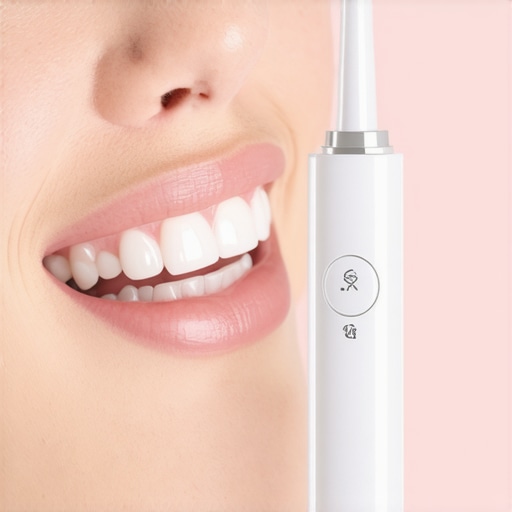
Beyond the toothbrush, I strongly recommend incorporating interdental cleaning devices like water flossers. I prefer models with adjustable pressure settings, such as the Waterpik Ultra Water Flosser, because they are gentle yet effective at cleaning hard-to-reach areas. This is particularly beneficial for individuals with braces, crowns, or implants, where traditional flossing can be tricky. Consistent interdental cleaning disrupts plaque buildup and reduces the risk of gum disease, which is essential for preserving restorative work long-term.
Integrating these tools into your routine is just the start. Regular visits to your family dentist, at least twice a year, help catch issues early—whether it’s for checking the integrity of crowns or assessing Invisalign progress. To stay ahead, I also use a strategic fluoride rinse after brushing, which strengthens enamel and protects against decay, especially in areas prone to sensitivity.
Looking ahead, advancements like smart dental devices that connect via Bluetooth to your smartphone are transforming preventive care. These innovations can provide real-time feedback on your brushing technique or remind you about upcoming dental appointments, making maintaining oral health more convenient and proactive.
How do I keep tools functioning over time? Routine maintenance is key. For example, replacing brush heads every three months ensures optimal plaque removal and prevents bacterial buildup. Cleaning water flossers regularly, following manufacturer instructions, keeps them operating smoothly. Using a small, soft-bristled brush for crowns and sensitive areas also minimizes wear and tear.
It’s tempting to overlook the importance of these details, but they significantly impact the longevity of your restorations and overall oral health. I encourage you to try upgrading to an electric toothbrush with a pressure sensor and incorporate interdental cleaning devices into your daily routine. The difference in your family’s dental health can be profound.
Remember, long-term results come from consistent, intentional actions. For more tips on maintaining crowns and restorations, check out [our comprehensive guide](https://familydentistpro.com/the-ultimate-guide-to-crowns-for-a-healthier-smile). Small investments in quality tools and habits now will pay off with healthier, more confident smiles for years to come.
Lessons I Wish I Learned Earlier About Baby Teeth and Permanent Smiles
One of the most eye-opening moments in my parenting journey was realizing that not all tooth discoloration signals something wrong. I used to think that yellowish tones in my child’s teeth meant neglect, but I soon discovered that many factors, like enamel development and genetics, play a role. This insight saved me from unnecessary worry and led me to seek professional advice that clarified the real issues behind dental discoloration.
Another lesson involved understanding when to opt for cosmetic treatments. Initially, I was eager to try whitening products, but I learned that consulting a trusted family dentist is crucial, especially for children. They can recommend safe and effective options like crowns or veneers tailored to your child’s needs, ensuring their smile is healthy and natural-looking. Exploring these choices through reputable professionals prevented me from making impulsive decisions that could harm my child’s developing teeth.
Finally, I realized that preventive measures matter immensely. Incorporating regular dental checkups, maintaining excellent oral hygiene routines, and monitoring dietary habits have helped preserve my child’s smile over time. These proactive steps, combined with staying informed, can make a significant difference in avoiding unwanted discoloration or restorations that don’t last.
My Go-To Tools and Resources for Dental Confidence
Having navigated my child’s dental concerns, I rely on several trusted resources that have proven invaluable. The comprehensive guide on crowns offered me detailed insights into restorative options that stand the test of time, helping me make informed decisions. I also appreciate the advice shared in top oral health tips for families, which emphasizes simple, effective habits that keep teeth healthy naturally.
When considering orthodontic care like Invisalign, I turned to myth-busting resources that clarified misconceptions and guided me toward the best options for my child’s particular case. These tools not only empower me but also ensure my family maintains bright, strong smiles for years to come.
Your Path to a Happier, Healthier Smile Starts Today
Remember, every smile tells a story—make yours a confident one. By staying curious, seeking professional advice, and investing in quality oral health routines, you’re taking meaningful steps toward lasting dental happiness. Don’t let misunderstandings or myths hold you back; your family’s brightest smile is within reach. What steps are you excited to try next to improve your loved ones’ oral health? Share your thoughts below, and let’s support each other’s journey to beautiful smiles!