
Why your child’s baby teeth have gaps between them
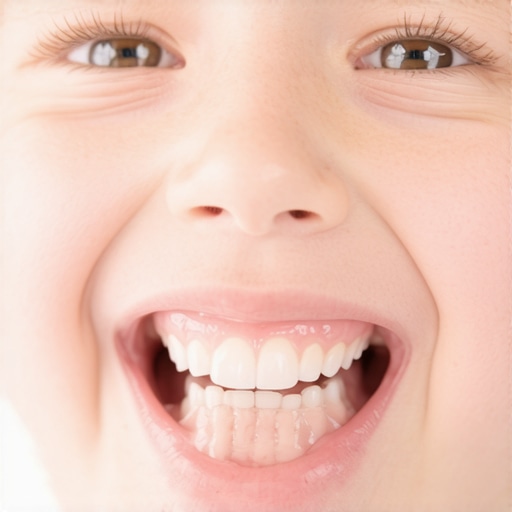
I remember the moment vividly—my little one flashed a bright grin, and suddenly I noticed the gaps in her baby teeth. It felt like a small, innocuous detail at first, but the more I looked, the more I wondered: Is this normal? Should I be worried about these spaces between her teeth? As a seasoned parent and someone passionate about family dental health, I’ve learned that those gaps can be more than just a quirky feature of your child’s smile—they’re often a sign of natural development and can tell you a lot about their oral health journey.
Getting to the Heart of Gaps in Baby Teeth
Firstly, let me assure you—gaps in baby teeth are quite common and typically nothing to panic over. In fact, they can be part of the natural growth process. These spaces often provide room for adult teeth to erupt properly, preventing crowding when permanent teeth come in. It’s like a built-in margin for growth, ensuring that when the time is right, teeth can develop without undue pressure or misalignment. But understanding why they appear and what they mean for your child’s dental health is essential to giving them the best start.
Are Gaps Something to Worry About or Just a Phase?
Great question—many parents worry if gaps are a sign of underlying problems. Well, here’s my experience: early on, I made the mistake of assuming all gaps indicated a need for immediate correction, leading to unnecessary treatments and anxiety. The reality is that in most cases, these gaps are purely developmental. As your child’s jaw grows and their teeth make space for adult teeth, these gaps tend to close naturally. However, in some cases, persistent or unusually large gaps can signal other concerns, such as habits like thumb sucking or even certain nutritional deficiencies. Before jumping to conclusions, I recommend consulting with a trusted family dentist. They can provide insights tailored specifically to your child’s unique dental development. For more on maintaining healthy smiles at every age, check out this insightful [family dentistry secrets page](https://familydentistpro.com/family-dentistry-secrets-maintaining-oral-health-with-modern-techniques-at-254-pm).
So, if you’ve noticed those charming little spaces in your child’s teeth, take a breath. They’re often a normal part of growth—yet keeping an eye on their development and seeking professional advice ensures your worries don’t turn into unnecessary treatments. Now, let’s explore some common doubts parents have about gaps and the best ways to manage them, starting with whether they will close on their own or require intervention.
Assessing Your Child’s Dental Growth
Start by observing the size and persistence of the gaps over several months. Keep a dental journal noting any changes or concerns. During my daughter’s check-up, I brought my observations to her dentist, who confirmed that typical gaps often close naturally but emphasized the importance of regular monitoring.
Schedule a Professional Evaluation
Book an appointment with a family dentist experienced in pediatric care through this contact form. The dentist will examine whether the gaps are part of normal development or indicate underlying issues. Think of this step as consulting a mechanic before replacing a car part—expert eyes can save you unnecessary costs later.
Supporting Natural Growth at Home
Implement good oral hygiene routines, including brushing twice daily with fluoride toothpaste and encouraging flossing. Use visual aids or models to teach your child about teeth placement. During my own experience, I created a fun brushing game, which improved my child’s brushing habits and made her more aware of her oral structure.
Manage Habits That Affect Tooth Spacing
Limit thumb sucking or pacifier use, as these habits can prolong gaps or cause misalignment. I set specific times for these habits and used positive reinforcement—reward charts worked well for us—to encourage our child to break the habit gradually.
Planning for Future Corrections
If gaps persist beyond the typical age or are causing functional issues, consider orthodontic options like Invisalign. Think of Invisalign as transparent training wheels for teeth—discreet and removable, making it easier for your child to adapt. I found that consulting with an orthodontist early helped plan effective interventions, avoiding more complex treatments later.
Learn About Treatment Options
Research the benefits and drawbacks of solutions like crowns or orthodontics via trusted resources such as this Invisalign guide and this crowns overview. Making informed decisions ensures the best outcomes for your child’s oral health and confidence.
Maintain Ongoing Observation and Care
Regular dental visits, at least twice a year, allow your dentist to monitor progress and address emerging issues promptly. Incorporate dental health into your family routine using tips from this oral health resource, ensuring lasting results and a healthy smile for your child.
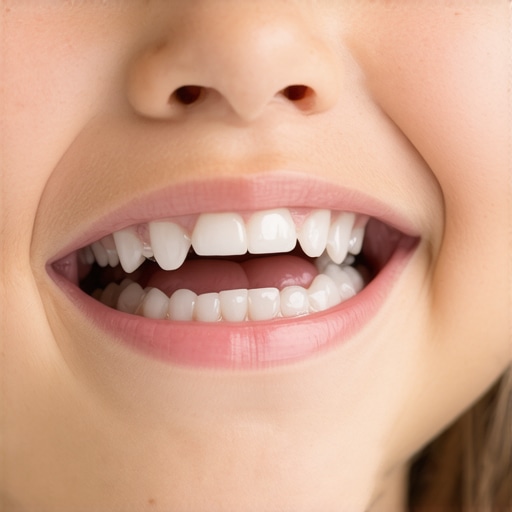 Many people believe they fully understand the benefits and limitations of modern dental solutions like Invisalign and crowns. However, even seasoned patients often fall prey to misconceptions that can lead to costly mistakes or unmet expectations. Let’s explore some of the hidden nuances and common traps that many overlook in family dentistry and oral health care. One widespread myth is that Invisalign is only suitable for minor adjustments. In reality, advancements in technology have expanded its applications to treat more complex cases, but this doesn’t mean it’s the perfect solution for everyone. The key is a comprehensive evaluation by an experienced dentist, as outlined in this Invisalign myths article, ensuring you choose the most effective treatment plan for your specific needs. Beware of the ‘quick fix’ mindset: some assume crowns are just cosmetic fixes, but modern crowns not only restore function but can significantly boost oral health, especially when using materials like zirconia for durability and aesthetics. Learn more about how crowns can be restorative here. Now, consider the common misconception that family dentistry focuses solely on children’s teeth. In reality, comprehensive family dental care includes preventive measures, routine check-ups, advanced procedures, and patient education for all ages, which is detailed in this family dentistry insights.
Make sure you’re not falling into the trap of underestimating the importance of ongoing oral health maintenance. Regular visits can prevent minor issues from developing into serious problems—sometimes, the earliest signs of disease are subtle and easily missed without expert evaluation. For example, early gum recession or minor cavities that seem insignificant can become major concerns if ignored. Think of family dentistry as a whole health approach: it’s not just about fixing problems but proactively managing your and your loved ones’ dental well-being.
Have you ever fallen into this trap? Let me know in the comments. Remember, being informed about these hidden nuances empowers you to make better decisions, ensuring healthier smiles for years to come.
Investing in the Right Tools for Long-Term Oral Health
Maintaining your dental appliances and ensuring their longevity is crucial for optimal oral health. I personally rely on a selection of specific tools that make routine care more effective and less time-consuming. A high-quality electric toothbrush, such as the Philips Sonicare DiamondClean, offers superior plaque removal and gentler cleaning, which is especially beneficial for those with crowns or Invisalign trays. Its oscillating-rotating motion reaches areas manual brushes might miss, making it a favorite in my practice.
For cleaning hard-to-reach spots, I recommend a water flosser like the Waterpik Aquarius. It effortlessly dislodges debris around crowns and between teeth without causing discomfort, which encourages consistent use among my patients. Regular flossing with waxed, shred-resistant floss, like Oral-B Glide, also complements this routine by removing plaque build-up and preventing gum issues.
Additionally, possession of a UV sanitizing device—such as the LumaSmile UV toothbrush sanitizer—can help keep your toothbrush free from bacteria, fungi, and viruses. This step is particularly vital for individuals with immunocompromised conditions or those wearing orthodontic appliances, as it prevents recontamination during storage.
In my experience, using a dental mirror with LED illumination simplifies the monitoring of appliance cleanliness and helps identify potential issues before they escalate. It’s a small investment that pays off by maintaining the integrity of your dental work and preventing costly repairs or replacements later.
What are the best practices for maintaining your innovations over time?
Complement your tools with a disciplined routine—replace toothbrush heads every three months, sanitize your water flosser weekly, and store devices in a dry, clean environment. Regular professional check-ups provide an added layer of protection, allowing your dentist to detect early signs of wear or misfit in crowns or Invisalign trays, as discussed in this insightful article.
Looking ahead, advancements in dental technology are making maintenance even easier. Smart toothbrushes connected via Bluetooth can track your brushing habits and alert you when it’s time to replace a brush head or visit your dentist. Staying updated with these innovations can significantly enhance your long-term oral health outcomes.
Don’t forget to schedule regular visits through our contact page to ensure your devices function optimally and your smile stays healthy. Try integrating a UV sanitizing routine into your daily practice—it’s a small step that yields significant benefits over time for your dental appliances and overall oral health.
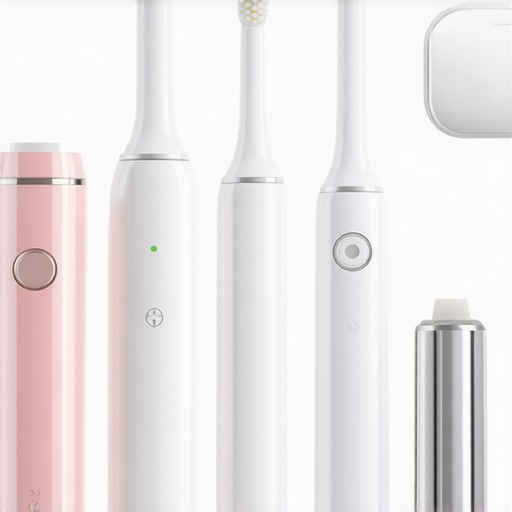
Image prompt: A collection of dental hygiene tools including an electric toothbrush, water flosser, dental mirror with LED light, and UV sanitizer, arranged neatly on a clean bathroom counter. Alt: Modern dental maintenance tools for optimal oral health. Title: Essential Dental Tools for Long-Term Care.
,
The Most Unexpected Lessons From My Dental Journey
One of the biggest surprises I encountered was realizing that many of my assumptions about dental treatments—especially Invisalign and crowns—were based on myths rather than facts. For instance, I once believed that Invisalign was only suitable for minor adjustments, but through personal experience and professional advice, I discovered it can address more complex cases when planned properly. Additionally, I learned that crowns are not just cosmetic fixes but integral to restoring function and preventing further damage, especially when chosen wisely with durable materials like zirconia. These revelations changed how I approach my family’s dental health, emphasizing the importance of personalized care over one-size-fits-all solutions. Lastly, I realized that ongoing family dental care is a dynamic partnership, requiring regular monitoring and honest communication to navigate the latest technologies and treatment options effectively.
My Go-To Resources for Smarter Dental Choices
Over the years, I’ve relied on a handful of trusted tools and readings. The article discussing Invisalign innovations truly opened my eyes to the evolving capabilities of aligner technology, ensuring I consider it even for more serious cases. The detailed guides on crowns and family dentistry tips have provided clarity when making decisions for my loved ones. Additionally, I trust reputable clinics and online reviews that keep me updated on advancements, ensuring my family’s ongoing oral health isn’t left to guesswork. These resources help me stay proactive and informed, which I believe is key to maintaining a healthy smile across generations.
Believe in Your Power to Keep Smiles Bright
Embarking on or continuing your journey with Invisalign, crowns, or family dental care isn’t just about fixing problems; it’s about empowering yourself and your loved ones to enjoy vibrant, healthy smiles for years to come. Remember, the right knowledge, regular check-ups, and smart choices are your best allies in this adventure. Don’t hesitate to reach out to your trusted dentist and stay curious about the latest innovations—your future self will thank you. Are you ready to take charge of your family’s oral health today? Share your thoughts or challenges below, and let’s build healthier smiles together.