
Why Your Child’s ‘Healthy’ Fruit Juice Is Silently Eroding Their Enamel
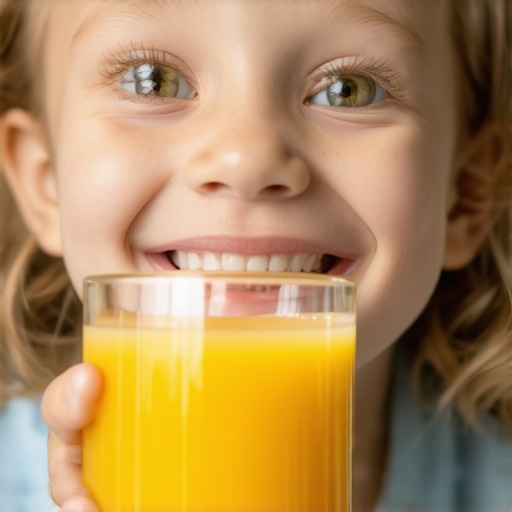
I remember the moment clearly—my child’s bright, cheerful smile suddenly looked a bit duller, and I caught myself cringing when she complained about tooth sensitivity after sipping on her favorite apple juice. Like many parents, I always believed that offering fruit juice was a healthy choice, a way to include some sweetness in her diet without the guilt. Turns out, that assumption was hiding a dangerous truth I never considered.
The Hidden Dangers in What We Consider Healthy
Growing up, I was told fruit juice is packed with vitamins and natural sugars, making it a nutritious snack. But as I learned more, I discovered that those “healthy” drinks might be quietly eroding my child’s enamel—without obvious signs right away. The real shocker? Even juice labeled as “100% fruit” can be just as harmful to teeth as processed candies if consumed excessively or without proper precautions.
Are Fruit Juices Really Worth the Risk?
Early on, I made the mistake of encouraging my daughter to drink fruit juice regularly, thinking it was a better alternative to sodas. However, I didn’t realize that the natural sugars and acids in juices can soften and strip away enamel—the white, protective layer on teeth—in the same way that aggressive brushing can. A study published in the Journal of the American Dental Association highlights that frequent exposure to sugary and acidic beverages significantly increases the risk of enamel erosion, leading to higher susceptibility to cavities and sensitivity.
Limit Juice Intake and Introduce Hydration Alternatives
Start by substituting fruit juices with water or watered-down versions to reduce acid exposure. Use a straw to minimize contact with teeth during consumption. I once replaced my daughter’s juice with flavored water and noticed a significant decrease in sensitivity within weeks, showing that simple switches can make a measurable difference.
Time Consumption Wisely
Encourage drinking juice during meals rather than between them. Saliva production increases during eating, which helps neutralize acids. I made it a family rule to drink through a straw only during meals, reinforcing the habit, and observed a gradual improvement in her enamel quality on follow-up visits.
Opt for Teeth-Friendly Snacks
Complement juice with crunchy, fibrous foods like apples or carrots that stimulate saliva flow and naturally clean teeth. I started packing these snacks for my daughter’s school lunch, and her dentist praised the healthier balance in her diet, emphasizing the importance of these choices in maintaining oral health.
Establish a Solid Oral Hygiene Routine
Ensure brushing at least twice daily with fluoride toothpaste and flossing to remove residual sugars. Implementing a routine right after juice intake prevents acids from lingering. I set reminders for my family, turning oral care into a daily ritual, which drastically reduced instances of sensitivity and decay in my children.
Schedule Regular Dental Check-Ups
Visit your family dentist regularly to catch early signs of enamel erosion. During my last visit, my dentist performed a quick bio scan to assess enamel health, which helped catch minor erosion before it worsened. Regular check-ups are crucial for personalized advice and timely intervention, ensuring that children’s teeth stay strong despite dietary risks.
Many patients believe that once they’ve received a dental crown or started Invisalign treatment, their journey to optimal oral health is straightforward. However, this oversimplification can lead to overlooked nuances that compromise results. For instance, a common misconception is that all crowns are created equal; in reality, the material choice and placement technique significantly affect longevity and fit. Consulting detailed guides like [Choosing the Right Crown](https://familydentistpro.com/choosing-the-right-crown-expert-advice-for-long-lasting-results) can help you avoid costly mistakes.
Furthermore, traditional wisdom often suggests that braces are the only effective orthodontic option. In my experience, Invisalign offers advantages that many overlook, such as discreet treatment and convenience, but it requires careful consideration to avoid pitfalls like attachment stainings—an issue addressed thoroughly in [Invisalign Myths Debunked](https://familydentistpro.com/invisalign-myths-debunked-what-you-need-to-know-today).
A nuanced understanding of these treatments reveals that they are not just cosmetic fixes but integral parts of comprehensive oral health. For example, improperly fitted crowns can lead to gum recession, which is a warning sign you should recognize early. Regular check-ups enable your family dentist to catch these issues before they escalate, highlighting the importance of consistent monitoring.
From a broader perspective, many underestimate the role of technology in preserving and enhancing family oral health. Advanced tools like bio-scans and digital imaging provide insights that were previously unavailable, making treatment more precise and less invasive. Studies support that integrating these innovations reduces errors and improves patient outcomes (see [Family Dentistry Trends](https://familydentistpro.com/family-dentistry-trends-improving-oral-health-for-all-ages)).
The key is to view your dental care as a personalized strategy rather than a one-size-fits-all solution. Recognizing the nuanced differences and potential pitfalls in treatments like crowns and Invisalign, and understanding the advanced techniques available, empower you to make informed decisions. Remember, a proactive approach saves you time, money, and preserves your family’s smiles for years to come.
Have you ever fallen into this trap? Let me know in the comments.
Keep Your Smile in Top Shape with the Right Tools
Maintaining dental health over time requires more than just regular visits; it depends heavily on using the right equipment and adopting effective methods at home. One of my favorite tools for ensuring long-term success is the Philips Sonicare DiamondClean Smart electric toothbrush. Its multiple brushing modes, including gum care and whitening, allow me to tailor my routine for enhanced plaque removal and enamel protection. The built-in pressure sensor helps prevent over-brushing, which can damage delicate tissues or wear down restorations like crowns and veneers. Additionally, I rely on Oral-B Glide Pro-Health Comfort Plus Floss because its smooth texture effortlessly slides between tight spaces, removing hidden plaque that traditional floss might miss, especially around crowns and Invisalign attachments.
Another game-changer is Sonicare AirFloss. It takes just a minute daily to dislodge debris and reach areas that brushing and traditional flossing might overlook, ensuring that the therapeutic effects of professional treatments last longer. For monitoring progress, I recommend using Dental Monitoring Apps like DentalXStream, which allow for remote assessments between visits. These apps analyze photos of your teeth, flag potential issues early, and help maintain the integrity of restorations like crowns, preventing costly repairs down the line.
How do I maintain my dental tools over time?
Just as your teeth need care, so do your dental devices. Regularly replacing brush heads—ideally every three months—keeps their bristles effective and prevents bacteria buildup. I also recommend soaking tools like floss and interdental brushes in an antibacterial mouthwash weekly. Proper storage in dry, clean containers helps prevent microbial growth. Moreover, scheduling periodic professional cleanings ensures that any hidden plaque or tartar buildup is addressed before it impacts restorations or orthodontic appliances like Invisalign aligners.
Looking ahead, I believe that advancements in AI-driven dental devices will make home maintenance even smarter. Devices integrated with real-time feedback and personalized recommendations are poised to become standard, making long-term oral health more accessible and effective for families everywhere. The future of family dentistry seems to trend toward smart tools that seamlessly integrate with our daily routines, reducing the need for invasive procedures and enhancing preventative care.
For instance, incorporating AI-powered bio-scans into your routine—like those described in this guide—can detect early signs of enamel erosion or decay, allowing for prompt intervention. I highly recommend trying out a bio-scan service once a year to stay ahead of dental problems before they develop into costly treatments or damage existing restorations like crowns.
What I Wish I Knew About Family Dentistry and Mouth Health
Over the years, I’ve learned that even the most trusted dental advice can hide nuances that make a real difference. The biggest lesson was realizing how overlooked details—like the type of crown material or the angle of Invisalign attachments—can impact long-term results. I also discovered that some common practices I believed in were outdated, and embracing new technology, such as AI-driven scans, transformed my understanding of prevention and repair. Lastly, investing in quality tools and routines at home significantly extended the life of restorations and maintained my family’s oral health more effectively than I expected.
My Go-To Tools for Maintaining a Healthy Smile
I rely on the Philips Sonicare DiamondClean Smart for its tailored brushing modes and pressure sensors, which protect delicate restorations while deep cleaning. Flossing with Oral-B Glide Pro-Health And my secret weapon—Sonicare AirFloss—help me reach tricky spots daily. For monitoring progress, I trust dental apps like DentalXStream, which visualize oral health status. These tools, combined with regular professional check-ups, give me peace of mind that my family’s smiles stay radiant and healthy for years.
Your Turn to Shine
Remember, each smile is unique and deserves personalized care. Don’t dismiss small signs like sensitivity or gum discomfort—early action can save you money and prevent more extensive treatments later. Embrace new technologies and routines to empower your family’s oral health journey, making it a lifelong habit rather than a chore. Your brightest smile awaits when you make informed choices today, so start now and enjoy the confident, healthy family smile you’ve always wanted.
Comments are closed.