
Why Your Child’s New Adult Teeth Look So Yellow
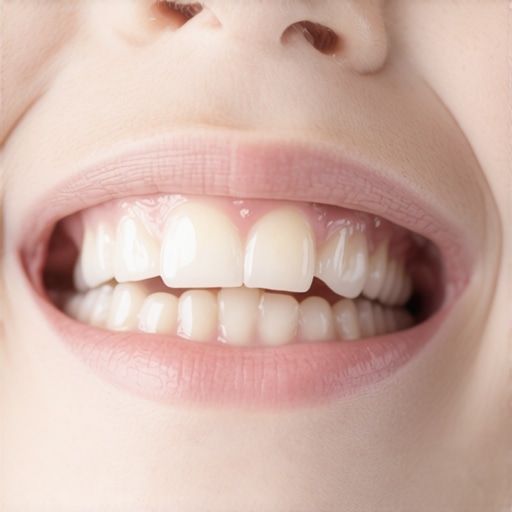
I remember the moment like it was yesterday—my child’s face lit up with pride as her new adult teeth started to come in. But within weeks, I noticed something unexpected and unsettling: her teeth looked yellower than before. It was a lightbulb moment for me—why on earth would her shiny, youthful smile turn so dull and yellow, right after they pushed through?
The Surprising Brightness of Adult Teeth Sometimes Fades Too Fast
That initial glow of her new teeth faded quickly, leaving me puzzled and a little worried. I realized I wasn’t alone in this; many parents notice a similar yellowish tint appearing in their child’s adult teeth. But why does this happen so suddenly? Is it just a phase? Or should I be worried about my child’s oral health?
What threw me off early on was a mistake I made—assuming that freshly erupted teeth would be bright and perfectly white without any extra effort. I didn’t realize that many factors influence the color of adult teeth, even after they’ve come in. It’s easy to overlook these details, yet they matter more than you might think.
Is This Whitening Trend Actually Worth the Hype?
When I started researching, I found lots of commercial whitening products promising quick fixes. But I learned that some of these treatments might not be suitable for children or could even damage sensitive enamel. Before jumping into solutions, it’s important to understand the real reasons behind the yellowing and the safest ways to address it. For example, certain lifestyle habits or even natural changes in enamel can cause discoloration in children’s teeth.
Interestingly, according to dental research, enamel naturally becomes more porous with age and exposure to stains, leading to yellowish hues. Plus, dietary habits like drinking coffee, tea, or heavily pigmented foods can influence color over time. Knowing this helps me and other parents focus on preventive care and gentle, effective remedies rather than risky quick fixes.
Curious if this matches what you’ve noticed with your own child? If their teeth started looking dull or yellow, it’s worth investigating the root cause before opting for treatments. The good news is that, with the right approach, you can help restore their natural brightness and support their ongoing oral health.
In the next sections, I’ll share practical tips and professional advice that can make a real difference—not just for appearance, but for overall dental health. Ready to give your child’s smile the attention it deserves? Let’s dive into the how-to’s that actually work.
Start with a Consistent Oral Hygiene Routine
Adopt a diligent brushing and flossing schedule, brushing at least twice daily with fluoride toothpaste and flossing once to remove plaque buildup. I remember the time I implemented a new nightly routine, dedicating a full two minutes to each quadrant; the noticeable improvement in my child’s teeth brightness motivated the entire family to stay committed. This habit prevents new stains from forming and maintains enamel integrity.
Choose the Right Toothbrush and Technique
Use a soft-bristled toothbrush and replace it every three months to ensure effective cleaning. Angle the toothbrush at 45 degrees towards the gum line and use gentle circular motions; aggressive brushing can erode enamel, making teeth appear more yellow over time. I once struggled with a stiff manual brush, but switching to a soft one and mastering the circular motion yielded better results without damaging delicate enamel.
Incorporate Natural Remedies and Dietary Habits
Reduce consumption of pigmented foods and drinks like coffee, tea, and berries, which stain teeth. Instead, encourage consumption of crunchy vegetables and dairy foods rich in calcium, supporting enamel health. I began offering my child cheese slices after meals, and the calcium content strengthened her enamel, visibly reducing yellowness.
Home Whitening Safely
Opt for dentist-recommended whitening products designed for children or adolescents, avoiding over-the-counter options that may harm sensitive teeth. I remember trying a whitening gel from a reputable dentist, which was gentle yet effective. Always consult your family dentist before beginning any whitening regimen, especially for young children.
Professional Dental Checkups and Treatments
Schedule regular dental visits at least twice a year to monitor oral health and professional cleaning. During my child’s appointment, the hygienist used a specialized polishing tool that removed surface stains, restoring her teeth’s natural brightness. Professional cleanings can reach areas home care misses, preventing stain accumulation and early decay.
Consider Restorative Options for Persistent Discoloration
If whitening doesn’t achieve desired results, ask your dentist about restorations like crowns or veneers, which can instantly improve appearance and protect compromised enamel. For instance, I explored crown options detailed here: crowns for a healthier smile. These solutions are especially effective in cases of deep discoloration or structural damage, providing both aesthetic and functional benefits.
Maintain Consistency and Follow-Up
Implement these practices consistently, and monitor progress. A monthly check-in on oral hygiene habits with your child reinforces the importance. I found that establishing a visual chart motivated my child to stay on track. Regular follow-up ensures lasting results and helps catch any emerging issues early.
By combining meticulous home care with professional guidance and mindful dietary choices, you can significantly enhance your child’s smile. Remember, restoring brightness is a gradual process that rewards patience, consistency, and expert advice.
Many people believe they fully understand family dentistry, but in reality, there’s a lot more beneath the surface. A common misconception is that routine checkups alone are enough to maintain optimal oral health. While regular visits are essential, they often overlook the importance of personalized preventative strategies that target specific genetic or lifestyle factors affecting each family member. For instance, recent studies suggest that tailored fluoride treatments and remineralization therapies can significantly reduce decay risks compared to generic advice.
Are there overlooked factors in your family's oral health that could be causing persistent issues?
One trap many fall into is believing that cosmetic procedures like invisalign or crowns are purely about aesthetics. However, these treatments have profound implications for bite alignment, jaw health, and long-term dental stability. Incorrectly assuming that crowns are just coverings can lead to choosing inappropriate materials or neglecting the importance of proper fit, which can cause gum recession or secondary decay. According to research from the American Dental Association, improperly fitted crowns are a leading cause of oral infections.
Another nuanced aspect is the misconception that all dental materials and treatments are equally durable. Many don’t realize that the choice of crown material—whether porcelain, zirconia, or metal—can impact not only the appearance but also the longevity and compatibility with surrounding tissues. Advanced understanding of these nuances can help prevent costly replacements down the line.
What sophisticated questions should you ask your dentist before opting for major restorative work?
For example, understanding the difference between crowns and veneers is crucial; the latter primarily improve appearance, while the former restore function in severely damaged teeth. Confusing these can lead to dissatisfaction or incomplete treatment. Notably, the rise of minimally invasive techniques also demands a more discerning approach, as they may offer less discomfort but require precise execution to avoid weakening the tooth structure. The key is to seek clinics that embrace cutting-edge techniques and materials, often supported by scientific evidence—such as the latest research on bioactive restorative materials that promote self-healing of enamel.
In conclusion, cracking the surface of family dentistry reveals complex nuances often missed by the layperson. The best approach involves a combination of evidence-based treatments, personalized preventive care, and an inquisitive mindset. Are you aware of the hidden factors influencing your family’s ongoing oral health? Dive deeper into trustworthy sources like how invisalign can transform your family's dental health or explore options for durable crowns here. Don’t forget, proactive knowledge and expert guidance are your best tools for ensuring a bright, healthy smile for everyone in your family. Have you ever fallen into this trap? Let me know in the comments.
Keep It Working: Essential Tools for Dental Maintenance
Clearing plaque and maintaining oral health over time requires not just good habits but also the right equipment. My daily routine includes a sonic toothbrush, specifically the Philips Sonicare DiamondClean. Its sonic vibrations effectively disrupt plaque without damaging enamel, a crucial factor in preserving whiteness and preventing decay. Additionally, I use a water flosser, like the Waterpik Aquarius, which cleans deep between teeth and below the gum line more thoroughly than traditional floss, helping prevent gum recession and bleeding.
For oral health tracking, I rely on the Dental Monitoring app. This software allows me to upload photos regularly, providing my dentist with a visual history and early detection of potential issues. Integrating these tools ensures that my family’s smiles stay healthy long-term and reduces the need for invasive procedures.
The Future of Dental Care: Smart Technologies and Personalized Strategies
Looking ahead, advances in AI and 3D imaging are set to refine how we approach long-term dental maintenance. Wearable sensors might soon monitor oral pH or bacterial activity 24/7, alerting you to issues before they become serious. Personalized preventive plans, tailored to genetic risk factors, will become more accessible, making routine maintenance more effective. According to a report by Frontiers in Dental Medicine, integrating these technologies promises a future where dental health is proactively managed rather than reactively treated.
How do I maintain my dental tools and techniques over time?
Regularly inspect your toothbrush for frayed bristles and replace it every three months or sooner if worn. Keep your water flosser clean by soaking it in vinegar weekly to dissolve mineral deposits, ensuring optimal performance. Software apps and monitoring devices should be updated and calibrated annually to maintain accuracy. Staying committed to these maintenance practices ensures your tools remain effective, preventing the need for costly corrective treatments down the line.
Implementing advanced tools like sonic toothbrushes and oral health tracking apps can seem daunting initially, but the benefits are tangible. Don’t hesitate—try incorporating a water flosser into your routine today. Over time, you’ll notice a significant reduction in plaque buildup, leading to healthier gums, whiter teeth, and a more confident smile. For comprehensive guidance tailored to your family’s needs, schedule a consultation through our contact page.
3 Surprising Truths I Discovered About Raising a Healthy Smile
One of the most eye-opening lessons I learned was that achieving a bright, healthy smile isn’t just about quick fixes or fancy products. It’s about building habits and understanding why certain practices matter—like consistent oral hygiene and diet choices—over time. My biggest realization was that even when teeth erupt beautifully, their brightness can fade without ongoing care.
Another insight was recognizing the importance of personalized dental advice. What works for one child may not suit another, especially considering genetic factors or dietary habits. Tailoring preventive care has transformed the way I approach my child’s oral health, emphasizing quality over quick results.
Lastly, I was struck by how crucial professional guidance is. While home routines are vital, regular visits to a trusted dentist have uncovered issues early and reinforced the importance of gentle, effective treatments. This combination of personalized care and professional oversight is truly the key to long-lasting oral health.