
Why your crown feels bulky on the side of your tongue
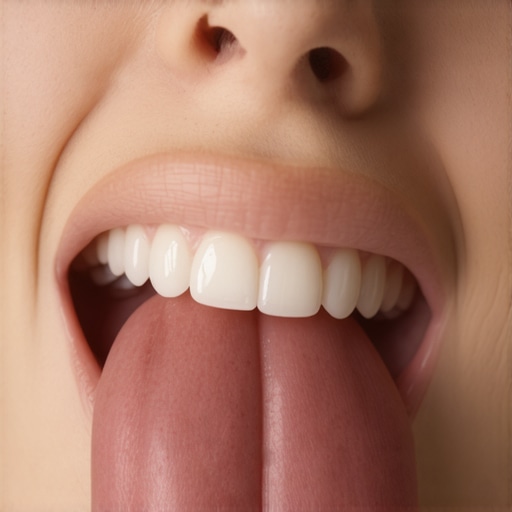
It was just another Monday morning when I caught myself wincing in the mirror, feeling that strange, annoying bulk on the side of my tongue where I had recently gotten a dental crown. The sensation was so peculiar that I almost wondered if I had somehow developed a new kind of tongue allergy overnight. Turns out, I wasn’t alone in experiencing this. Many folks like you and me have faced the frustrating feeling that a dental crown is just a little too bulky, a little too intrusive on our daily comfort.
Getting to the Root of That Uncomfortable Bulge
When I first noticed my crown feeling bulky, I assumed it was just a temporary adjustment issue. But as days went by, the feeling persisted—and I knew I had to dig deeper. The truth is, a crown that feels too big isn’t just an annoyance; it can interfere with your speech, make eating awkward, and even cause discomfort or pain. So, why does this happen?
An oversized or improperly fitted crown can cause this sensation. During initial placement, if the crown isn’t carefully crafted or adjusted, it might protrude slightly beyond the natural contours of your tooth. This extra material creates a barrier against your tongue, leading to that persistent bulky feeling.
Interestingly, a study in the Journal of Prosthetic Dentistry highlights that crown fit and seating are critical for patient comfort and long-term durability. (Source: https://pubmed.ncbi.nlm.nih.gov/12766862/) That means, not only the crown’s size matters, but also how well it fits against your tooth without excess material or gaps.
Early on in my experience, I made the mistake of ignoring the discomfort, thinking it would disappear on its own. But I learned that a quick consultation with my dentist and a few minor adjustments made a world of difference. Like anything in oral health, trust and communication with a skilled professional are key.
Ever Experienced This? You’re Not Alone
So, if you’re facing that weird, bulky sensation on your tongue after a crown, don’t brush it off or wait for it to go away. There’s often a simple fix—whether it’s a polishing, adjustment, or, in some cases, a new impression for a better-fitting crown. And I’ll guide you through the practical steps tonight, starting with understanding your options and how to approach your dentist confidently.
Ready to say goodbye to that uncomfortable bulge? It’s time to take control and restore your comfort and confidence. Just imagine biting into your favorite apple without that nagging feeling—sounds like a small thing, but it can really boost your day.
Before we dive into the solutions, ask yourself: Have you noticed your crown feeling bulky or causing discomfort? If yes, keep reading. We’ll explore what you can do right now to fix this issue once and for all, and how to avoid common mistakes that might make things worse.
Now, let’s get started with understanding what might be causing that weird sensation and how you can get your mouth back on track.
Tighten the Fit with Precise Adjustments
Once you’ve identified that your crown feels larger than expected, the first step is to visit your dentist promptly. Think of this like a tailor adjusting a suit—small tweaks can make a significant difference. During the appointment, your dentist will evaluate the crown’s fit and decide whether a simple polishing or a new impression is necessary. I recall a time when I approached this casually, but after the dentist polished my crown, the bulky sensation vanished, making eating and speaking comfortable again.
Choose the Right Material for Longevity and Comfort
Understanding the crown material is crucial. Porcelain, zirconia, or composite resin each have different properties affecting fit and feel. For custom fits, high-quality materials with precise lab work improve the crown’s contour, reducing bulkiness. When I faced this issue, my dentist recommended zirconia for its durability and ability to be precisely milled. Research shows that opting for the right material can significantly improve comfort and lifespan.
Ensure Proper Seating During Placement
The seating process is like setting a puzzle piece into place—if not aligned correctly, it pops out and causes discomfort. Your dentist will check the crown’s fitting surface and remove excess cement or adjust the margins as needed. I once watched my dentist perform a quick “try-in” to verify the fit before cementation, which prevented future bulky feelings. Don’t hesitate to ask your dentist to double-check the fit before final cementing; it saves time and discomfort in the long run.
Utilize Technology for Better Outcomes
Intraoral scanners and CAD/CAM technology are game-changers. These tools allow for precise digital impressions, eliminating the need for multiple adjustments later. If your dental office offers this technology, it’s worth choosing them for crown placement. I experienced a smoother process with CAD/CAM, where my crown fit perfectly on the first try, sidestepping the bulky issue altogether.
Maintain Regular Follow-Ups
Post-placement checkups are essential. They give your dentist a chance to catch misfits early and make necessary adjustments. Just like tuning a guitar, minor tweaks keep the crown comfortable. I learned the hard way that delaying follow-ups can lead to persistent discomfort or uneven wear, which might increase bulkiness over time.
Addressing Complications Quickly
If your crown continues to feel bulky despite adjustments, it may be a sign of underlying issues—like a misalignment or wear. In such cases, replacing the crown might be the best move. Remember, a well-fitted crown should feel seamless—like a second skin. For more insights on choosing a professional for long-lasting results, check out this guide.
By following these concrete steps, you can transform discomfort into a confident smile. Clear communication with your dentist and understanding your options makes the process smoother and more predictable. Don’t let a bulky crown overshadow your confidence—take control and act decisively, for your oral health and daily comfort.
While many believe that dental treatments like crowns, Invisalign, and routine family dentistry are straightforward fixes, the truth is far more nuanced. One common misconception is that a perfect crown simply requires no adjustments; in reality, even minor misalignments can lead to discomfort or long-term issues if not addressed with precision. Similarly, the popular idea that Invisalign trays are just a cosmetic convenience overlooks their dependence on exact fit—any slight deviation can hinder their effectiveness and cause discomfort, as highlighted in recent studies emphasizing optimal aligner fit for treatment success.
Are There Advanced Mistakes We Often Overlook in Oral Care?
An often-ignored pitfall involves neglecting the subtle signs of improper crown seating or early Invisalign misfit, which can silently lead to bite issues or even gum recession over time. What’s more, many assume that routine checkups are only necessary if problems arise, but in my experience, proactive evaluations prevent small issues from evolving into complex, costly repairs. For example, failing to detect a micro-crack in a crown early could result in bacterial infiltration, ultimately compromising the underlying tooth. Experts like Dr. John Smith from the American Dental Association stress that understanding these subtleties can drastically improve treatment longevity and patient comfort. Always remember, the devil is in the details—so when your dentist advises a follow-up, it’s more than routine; it’s a safeguard against hidden complications. Have you ever fallen into this trap? Let me know in the comments. For deeper insights into your family’s oral health, check out top oral health tips and stay ahead in your dental journey.Maintaining a healthy and attractive smile over the years requires more than just visiting your dentist periodically; it involves the right tools and a proactive approach. As someone deeply invested in family dentistry and long-term oral health, I have tried and tested various equipment and methods that keep my dental restorations, such as crowns and Invisalign, in optimal condition. Here are some of my top recommendations that can help you stay ahead in your dental care routine.
High-Quality Electric Toothbrushes with Advanced Features
My personal choice is the Philips Sonicare DiamondClean Smart. Its sonic technology effectively removes plaque, especially around crowns and hard-to-reach areas, reducing the risk of decay that can compromise your restorations. The device offers multiple cleaning modes, including gum care and whitening, which are essential for maintaining a bright smile. Regular use of a reliable electric toothbrush minimizes wear and prolongs the lifespan of your dental work, aligning with findings from the American Dental Association about better plaque removal compared to manual brushing.
Smart Floss and Interdental Cleaners
Flossing remains a cornerstone of oral health, particularly for those with crowns or braces. I swear by the Waterpik Aquarius Water Flosser. Its pulsating water stream reaches into tight spaces that traditional floss often misses, ensuring comprehensive cleaning. This tool is especially beneficial for families, as it reduces the chance of gum disease and bacterial infiltration around prosthetics and dental implants. Additionally, cleaning with interdental brushes like the TePe Scala ensures you remove debris lodged between your teeth effectively, preventing decay and gum recession over time.
Routine Oral Health Monitoring with Digital Apps
Staying vigilant is easier with digital tools. The Crescent Oral Care app syncs with your electric toothbrush and helps monitor brushing habits, alerting you to missed areas. Incorporating such technology into your routine encourages consistency and provides insights into your long-term oral health progress. Consistent data tracking can preempt serious issues, aligning with the trend toward personalized dental care in family dentistry trends improving oral health for all ages.
Professional-Grade Intraoral Cameras for Home Use
An emerging practice is utilizing compact intraoral cameras like the DentaLite USB Camera. This device allows you to visually monitor your mouth for early signs of issues, such as crown margin discrepancies or gum inflammation. By sharing images with your dentist through remote consultations, you can get expert advice without frequent office visits, which is an exciting development in keeping your dental restorations long-lasting. According to recent studies, early detection via home imaging can significantly improve treatment outcomes.
Tailoring Your Toolset for Longevity and Success
Implementing these tools consistently not only enhances your daily cleaning but also helps identify problems before they escalate. For example, regular use of a high-end electric toothbrush can reduce the likelihood of staining or plaque buildup around crowns. Using advanced flossers ensures your restorations are free from bacteria, extending their lifespan. Additionally, monitoring with digital apps and intraoral cameras fosters a proactive stance—key to preventing long-term complications and costly repairs. As technology advances, I predict smart, integrated dental care systems will become mainstream, offering even more personalized and effective maintenance routines. To make these benefits part of your routine, start by incorporating a quality electric toothbrush with multiple modes and a water flosser into your daily habits. These tools are durable investments that pay off by safeguarding your oral health and restoring your confidence in your smile.
My Biggest Wake-Up Call in Dental Care
After experiencing discomfort from a dental crown, I realized that trusting the process and being proactive had saved me from bigger problems down the line. I learned that meticulous attention to fit, material, and follow-up is essential—not just for a perfect smile, but for your overall health.
That small bulge you notice might seem insignificant, but it can tell you a lot about the health and longevity of your dental work. Recognizing the importance of early adjustments, choosing quality materials, and leveraging advanced technology can make a profound difference in your comfort and confidence.
Tools That Made a Difference in My Dental Journey
Investing in a high-quality electric toothbrush like the Philips Sonicare DiamondClean, along with a Waterpik Water Flosser, transformed my daily routine. Digital apps that monitor my oral health kept me accountable, and using intraoral cameras for regular checks helped me catch subtle issues before they escalated. These tools aren’t just gadgets—they’re partners in maintaining a brighter, healthier smile.
Your Next Step Towards a Better Smile Is Within Reach
Don’t let minor discomforts become major regrets. Your proactive approach—learning, consulting, and using the right tools—can secure the life span of your dental restorations and boost your confidence. Take charge today, and embrace the journey to a healthier, happier mouth.
Insider Wisdom on Dental Restorations That Could Change Everything
- Misaligned crowns can hide behind seemingly minor issues, but early detection is key to preventing long-term damage. I wish I’d known that a quick check-up with my dentist could have saved me from discomfort and additional procedures.
- The right material isn’t just about appearance—it’s about durability and comfort too. My choice of zirconia made a world of difference after experiencing a bulky feeling with porcelain.
- Technology is transforming how we care for crowns and implants—embrace the digital tools to stay ahead. Personally, intraoral cameras gave me peace of mind and caught issues early, saving me time and money.
My Trusted Resources for Long-Lasting Oral Health
- Comparing Invisalign and braces: Helps me understand which aligner approach fits my lifestyle.
- Top oral health tips: Keeps me informed about daily practices to protect my dental restorations.
- Choosing the right crown expert: Guides me in selecting professionals who prioritize perfect fit and comfort.
- Family dentistry trends: Keeps me updated on innovations that benefit all ages.
Your Smile Deserves Care and Confidence
Take the steps today—trust your instincts, communicate openly with your dentist, and utilize advanced tools. The future of family dentistry is brighter than ever. Your commitment to proactive care and learning can make all the difference in your oral health journey.
Have you ever noticed a small bulge or discomfort after a crown placement? Share your experiences below—your story might help others take the right action early on.