
Why your dental bridge feels like it is trapping food
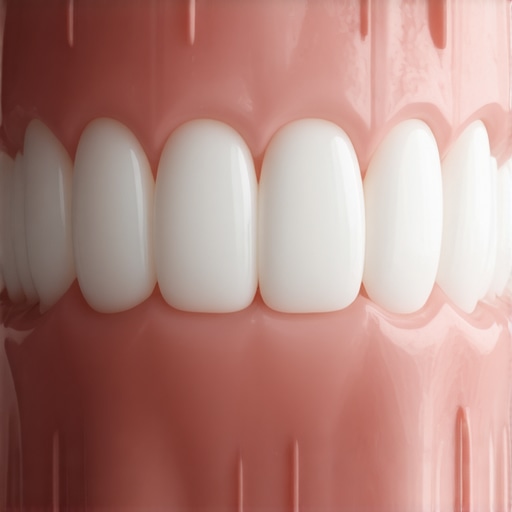
It was late one evening when I finally realized that my new dental bridge wasn’t just a cosmetic fix—it was becoming a daily source of frustration. Food kept getting stuck beneath it, and no matter how carefully I brushed, I couldn’t seem to get rid of the residue. That sinking feeling that I was somehow doing something wrong hit me hard. I thought, “Is this normal? Am I cleaning it wrong?” The truth is, many people with dental bridges share this experience, and it can be really discouraging.
Why Do Dental Bridges Trap Food Anyway?
Dental bridges are fantastic for restoring smile confidence and preventing teeth from shifting, but they come with their own set of challenges. One common concern I encountered early on was why food seemed to lodge underneath my bridge despite my best efforts. The primary reason is that bridges fit tightly over your natural teeth or implants, creating tiny gaps where bits of food can hide. Over time, these gaps can become a breeding ground for bacteria if not properly cleaned, posing risks for gum disease or decay.
Moreover, a poorly fitted bridge or one that has shifted slightly can exacerbate the problem, making it even trickier to keep clean. Often, I overlooked the importance of specialized cleaning tools or techniques, which only made things worse. It’s essential to understand that a well-maintained bridge, combined with the right cleaning methods, can significantly reduce food entrapment and related issues.
Is this problem a sign of a bigger issue?
Absolutely. If food is consistently trapped and your discomfort increases, it might be a sign that your bridge isn’t fitting as snugly as it should. Ignoring this can lead to inflammation, bad breath, or even damage to the supporting teeth. I learned early on that regular check-ups with my dentist and using interdental brushes made a huge difference. Curious to learn more about ensuring your bridge remains clean and comfortable? Dive into the solutions that transformed my experience and could help you too.
Before jumping into remedies, it’s worth noting that improper cleaning or neglecting minor fit issues early on can lead to more serious health problems. For instance, a study published in the Journal of Prosthetic Dentistry emphasizes the importance of proper hygiene in preventing peri-implant diseases associated with bridges (source: PubMed). Now, let’s explore how you can address this common challenge head-on.
Choose the Right Tools for Cleanliness
Start by selecting interdental brushes or floss threaders specifically designed for bridges. I recall a time I used a regular floss, and it kept shredding, making me frustrated. Switching to a floss threader with a thin floss segment allowed me to reach underneath the bridge more effectively, removing trapped food lodged in tiny gaps.
Use Proper Technique
Gently slide the floss or brush under the bridge, focusing on the sides of the supporting teeth. Imagine guiding a thin sword between teeth; precision is key. Applying too much force risks dislodging or damaging the bridge. During my first attempt, I struggled, but after practice, I could clean thoroughly without applying excessive pressure.
Establish a Routine
Make cleaning your dental bridge a daily habit—preferably at night before bed. Habits cement the process, preventing forgetfulness. I set a reminder, and over time, it became second nature, reducing trapped food significantly. Consistency prevents bacteria buildup and reduces bad breath.
Incorporate Removable Devices
Use a water flosser to flush out debris around the bridge. I bought one after reading that water jets can reach areas that traditional tools might miss. During my first use, I aimed the stream at the supporting teeth, and I immediately noticed fewer food particles after rinsing.
Visit Your Dentist Regularly
Schedule check-ups to ensure your bridge fits well. I once ignored minor discomfort, which worsened, leading to inflammation. Regular visits allow adjustments and professional cleanings, keeping the area healthy. The dentist may also apply fluoride or recommend specialized cleaning methods.
Mind Your Diet
Steer clear of sticky or very hard foods that could dislodge or damage the bridge. I learned this the hard way when biting into caramel; food got lodged, and cleaning became a battle. Opting for softer foods or cutting hard items into smaller pieces makes maintenance easier and safer.
Pay Attention to Fit and Comfort
If food continues to trap or the bridge feels loose, consult your dentist promptly. I once felt a slight shift after a week, so I reached out to my dental professional. Prompt attention prevented further issues and ensured the integrity of my restoration. Remember, a well-fitting bridge minimizes food entrapment and discomfort.
Many patients assume that all dental treatments are fairly straightforward, but the truth is, there are nuanced misconceptions that can hinder your oral health journey. For example, a common myth is that Invisalign is just about aesthetics; in reality, its effectiveness depends heavily on proper wear and monitoring by an experienced orthodontist. Believing that Invisalign aligners are a one-size-fits-all solution can lead to inadequate treatment outcomes. Moreover, some think that crowns are purely cosmetic fixes, but they play a crucial role in restoring tooth function and preventing further decay.
Another misconception revolves around family dentistry. Many believe that visiting the dentist only when problems arise is sufficient. However, regular check-ups are essential for early detection of issues like gum disease or small cavities that could become severe if ignored. This proactive approach significantly improves long-term oral health.
Are All Crowns Created Equal in Quality and Longevity?
In the realm of prosthodontics, not all crowns provide the same benefits. Material choice, the expertise of the dentist, and the preparation process all influence a crown’s durability and impact on your oral health. A poorly fitted crown can trap food and bacteria, leading to decay or gum irritation, which is a mistake many overlook. Research indicates that meticulous crown placement reduces the risk of future complications and preserves supporting structures (source: Family Dentist Pro).
Understanding the subtleties of these treatments enables you to make informed decisions. For instance, choosing high-quality materials for crowns, or ensuring your Invisalign provider uses precise technology, can significantly enhance results and reduce the need for retreatments.
Another overlooked aspect is the importance of maintenance. Family dental care isn’t just about the procedure; it’s about establishing habits that sustain your oral health. Regular flossing, proper brushing, and timely visits prevent minor issues from escalating. Additionally, lifestyle choices such as diet and habits like smoking directly influence treatment success and overall oral well-being.
Be wary of shortcuts or misconceptions that might tempt you—like believing that whitening or fancy toothbrushes compensate for neglecting routine check-ups. An expert’s advice tailored to your unique needs is invaluable. Looking for trusted guidance? Consider consulting a dentist experienced in comprehensive family care or restorative procedures. You can explore more about how crowns and other treatments influence oral health by visiting this article or scheduling a professional assessment through our contact page. Don’t let misconceptions compromise the health of your family’s smiles—stay informed, stay proactive. Have you ever fallen into this trap? Let me know in the comments.
How Do I Keep My Dental Restorations Working Smoothly Over Time?
Investing in quality tools is crucial for maintaining your dental work like crowns, bridges, and Invisalign aligners. Personally, I swear by the use of ultra-fine interdental brushes such as Tepe Interdental Brushes, which I use daily to clean around crowns and bridges. These brushes are designed to access tiny gaps that regular floss can’t reach effectively, helping prevent food entrapment and plaque buildup. Regular use of such targeted tools ensures my restorations remain functional and my gum health stays optimal.
Alongside physical tools, adopting specialized cleaning techniques makes a significant difference. I always recommend paying attention to the angle at which you insert brushes or floss—gently guiding them beneath restorations rather than forcing them. This gentle approach helps prevent dislodging or damaging delicate restorations, which can be a concern if you’re not cautious. Over time, mastering these techniques reduces the risk of secondary complications like decay or gum inflammation.
How Do I Maintain My Dental Tools Over Time?
Proper care of your cleaning devices extends their lifespan and effectiveness. I suggest rinsing brushes thoroughly after each use and replacing interdental brushes and flossers every few weeks to avoid bacteria buildup. Additionally, disinfect electric toothbrush heads with alcohol wipes weekly, as suggested by the ADA’s recommended maintenance routines, to ensure they stay hygienic and efficient.
Progress in dental technology points toward smarter and more efficient cleaning solutions. Future innovations, such as AI-powered toothbrushes like the Oral-B Genius X, analyze your brushing patterns and suggest improvements, helping you maintain restorations more effectively. Staying ahead with such devices can significantly improve your long-term dental health.
Scaling Up Maintenance: The Role of Professional Care
While diligent home care is vital, regular professional check-ups are indispensable. During visits, your dentist can perform deep cleanings, assess the integrity of your restorations, and make necessary adjustments. I schedule bi-annual appointments and ask my dentist about the latest tools and methods—for example, the use of laser dentistry for precise and less invasive cleanings—ensuring my oral health stays on track. Consistent monitoring prevents minor issues from evolving into major problems, saving time and money in the long run. To experience tailored professional advice, I recommend reaching out through their contact page.
The Hardest Lesson I Learned About Family Dentistry, Invisalign, Crowns, and Oral Health
One of my biggest personal breakthroughs was realizing that maintaining dental restorations is less about quick fixes and more about cultivating mindful habits. I used to think a quick brush was enough, but I learned the value of patience and precision—like gently guiding floss beneath my bridge rather than rushing through it. This lesson reminded me that investing time in proper techniques pays off in comfort and health for years to come.
Tools That Truly Make a Difference in Your Oral Care Routine
Over time, I discovered that quality matter. Using interdental brushes designed for bridges, like the Tepe Interdental Brushes, transformed my cleaning routine. They reach tiny gaps that traditional floss can miss, preventing food entrapment and bacterial buildup. Trusting these tools, combined with water flossers, has kept my restorations healthy and my gums happy, highlighting that the right tools are an investment in long-term wellness.
Don’t Overlook the Power of Consistency
Establishing a daily routine, especially before bed, cemented my commitment to oral health. It’s amazing how small, repeated actions—guided by reminders—can prevent complications like inflammation or gum recession. I found that making brushing and cleaning a habit, rather than a chore, ensures my dental work continues to serve me well, reminding us all that consistency beats sporadic effort.
Embrace Professional Guidance as a Confidence Booster
Regular check-ups became my secret weapon. My dentist’s periodic assessments, including professional cleanings using advanced tools like laser dentistry, caught minor issues early. This proactive approach—visiting at least twice a year—prolongs the life of crowns and bridges. I encourage everyone to schedule routine visits, emphasizing that expert care is as vital as daily home maintenance for lasting oral health.
Watch Your Diet to Protect Your Restoration Investment
Hard or sticky foods once challenged my dental confidence. Cutting crunchy apples or chewy caramel into smaller pieces protected my restorations and simplified cleaning. By being mindful of what I ate, I reduced the risk of dislodging or damaging my dental works, reinforcing that simple dietary choices have a profound impact on oral health longevity.
Monitoring Fit and Comfort—Part of Ongoing Satisfaction
If your bridge feels loose or food keeps catching, it’s time to act. My experience taught me that promptly consulting my dentist, through their contact page, prevents minor inconveniences from becoming serious issues. Ensuring a well-fitting restoration not only feels better but also safeguards your oral health over the long term.
Insider Wisdom for Lasting Restorations
- My biggest lightbulb moment was understanding that meticulous cleaning and regular check-ups safeguard my investment in my smile.
- Choosing quality tools tailored for bridges and crowns minimizes discomfort and extends their lifespan.
- Consistency in daily routines, coupled with professional guidance, transforms temporary fixes into lasting solutions.
- Diet plays a key role—simple modifications can prevent damage and make maintenance easier.
- Being proactive about fit and comfort ensures lasting satisfaction and ongoing oral health.
The Perfect Toolbox for Your Dental Journey
Some tools and resources I rely on include high-grade interdental brushes like the Tepe, trusted water flossers, and educational resources from Family Dentist Pro. These sources help me stay informed about best practices and innovations, ensuring my oral health remains a priority.
Take Charge of Your Smile—The Future Is Bright
Every step you take toward diligent dental care today paves the way for a healthier, more confident smile tomorrow. With the right tools, habits, and professional support, maintaining your dental restorations becomes second nature. Remember, your oral health isn’t just about aesthetics—it’s a vital part of your overall well-being, deserving your attention and care.
What changes will you make today to improve your dental maintenance? Share your thoughts below and let’s support each other in achieving lasting oral health!
}})();**#END**