
Why Your Dental Crown Feels Sharp and How to Fix It at Home
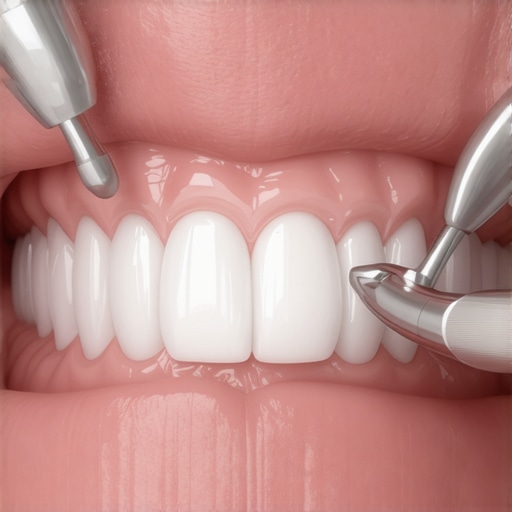
Imagine biting into your favorite apple, only to wince as a sudden, sharp pain shoots through your tooth. I remember the first time I experienced this discomfort after getting a dental crown. It was a lightbulb moment—something was definitely off, but I wasn’t sure what to do. That nagging, irritating sensation made me wonder if I had made a mistake or if my smile was doomed.
If you’ve ever felt that unexpected sharp edge on your dental crown, you’re not alone. Many people face this issue, and it can be surprisingly common. The good news? There’s often a simple solution you can try at home before rushing back to the dentist. Today, I want to share what I learned from personal experience and research—so you can resolve that discomfort and get back to smiling comfortably.
Understanding Why Your Crown Feels Sharp
The first step is knowing what’s causing that abrasive edge. Usually, it’s a matter of the crown’s shape, the cementing process, or occasional wear. Sometimes, the crown might not be perfectly smooth, creating a rough spot that irritates your tongue or cheek. Other times, changes in your bite—perhaps from teeth shifting slightly—can cause the crown to feel uneven. Identifying the culprit is the key to fixing it effectively.
In my case, I found that the margin of the crown was slightly jagged, which explained the discomfort. I also discovered that during my early days with crowns, I made a common mistake: neglecting to check my bite bite regularly. According to the American Dental Association, poorly fitting crowns can lead to discomfort and even decay if not addressed promptly. This made me realize that even minor imperfections could have bigger consequences—and that fixing them early was crucial.
Have you faced this problem where your crown feels sharp or uneven? If so, don’t worry. The next steps could be simpler than you think—and I’ll guide you through what you can do right at home to smooth out those rough edges and reduce discomfort.
For more tips on maintaining your oral health and ensuring your crowns stay comfortable, check out [top oral health tips for your family’s bright smiles](https://familydentistpro.com/top-oral-health-tips-for-your-familys-bright-smiles). Let’s dive into practical solutions to fix that bothersome sharpness and help you smile confidently again.
Smoothing Out the Rough Edges
Start by examining your crown in a well-lit mirror to identify the exact spot that feels sharp or uneven. Use a clean, fine-grit nail file or emery board—think of it as a tiny woodworking tool—to gently file down the rough area. I once used a fingernail buffer to smooth a jagged edge; it was messy but effective. Work slowly, making small, circular motions and checking often to avoid over-smoothing. Rinse your mouth thoroughly afterwards to wash away any debris. Remember, the goal is to gently round the edge, not remove too much material, which could compromise the crown’s fit.
Assessing Your Bite and Comfort
After smoothing, bite down gently on a piece of softened bread or a similar malleable food to test if the sharpness has diminished. If the crown still feels rough or if your bite is uneven, repeat the filing process carefully. This step is like tuning a musical instrument—you want a perfect, comfortable fit without any harsh notes. Be cautious not to file too aggressively, which could damage the crown or cause it to become loose. If discomfort persists or your bite feels off, it’s wise to consult your dentist. Often, small adjustments can prevent bigger issues down the line, much like fine-tuning a complex machine.
Extra Tips for Long-Lasting Comfort
Maintain good oral hygiene by brushing twice daily with fluoride toothpaste and flossing gently around the crown area. Using antimicrobial mouthwash can help prevent plaque buildup that might irritate your gums or cause decay under the crown. Avoid sticky or hard foods that can dislodge or damage your restoration. Think of your crown as a fragile but valuable bridge—it needs careful upkeep, similar to maintaining a valuable car engine. Regular dental checkups ensure that your crown remains in optimal condition, and any minor issues are caught early before they become painful or costly.
When to Seek Dental Help
If smoothing the edge doesn’t relieve discomfort or if the crown feels loose or unstable, don’t hesitate to contact your dentist. A professional assessment is crucial for proper fit and function. Remember, attempting home fixes has its limits; sometimes only a professional can reshape or replace a worn or damaged crown. Visiting a family dentistry expert ensures your smile remains healthy and comfortable over the years. For more insight into advanced restorative options, explore why crowns are a game-changer in restorative dentistry.
Many people assume that getting a dental crown is a straightforward process—just a quick procedure with guaranteed results. However, this oversimplification masks several nuanced realities that can impact your oral health significantly. One widespread misconception is that all crowns last forever; in reality, factors like material quality, dental hygiene, and bite alignment play crucial roles in longevity. Overlooking these can lead to premature wear or failure. Furthermore, many believe that family dentistry addresses only basic needs, but modern practices now incorporate advanced technologies such as digital scans and minimally invasive techniques, which improve outcomes and patient comfort. A critical point often missed is the importance of choosing a skilled specialist for crown placement—because the success of your restoration hinges on precise fitting and bonding. Beware the trap of thinking that routine dental visits are unnecessary once your crown feels okay; periodic evaluations are essential to monitor for hidden issues like micro-leaks or recurrent decay. When considering Invisalign, many assume it’s suitable for everyone, but the reality is that certain bite issues or complex misalignments may require alternative solutions—making expert assessment vital. Have you ever fallen into this trap? Let me know in the comments. Understanding these hidden nuances empowers you to make more informed decisions about your dental care, ensuring lasting results and optimal oral health. For a deeper dive into how crowns can revolutionize your smile, check out why crowns are a game-changer in restorative dentistry. Always remember, a knowledgeable patient is a happy patient.
Keep Your Crown Performing with the Right Tools
Maintaining a dental crown’s integrity over time requires more than just good brushing habits. Equipping yourself with the right tools can make a significant difference in prolonging its lifespan and ensuring overall oral health. I personally rely on a combination of professional-grade equipment and effective home methods to keep crowns in top shape.
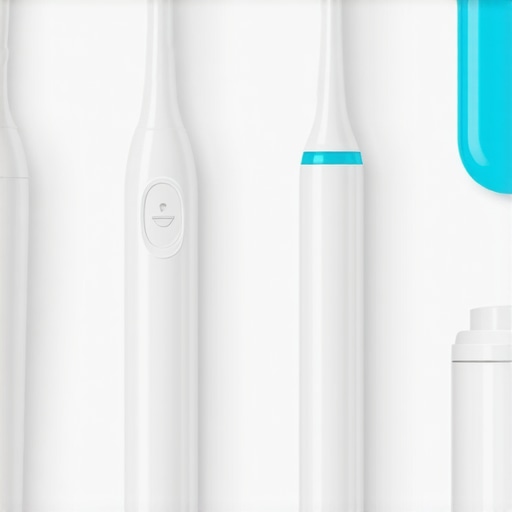
First, I swear by the use of a smart electric toothbrush. Unlike typical brushes, models like the Sonicare DiamondClean or Oral-B Genius incorporate timers and pressure sensors that prevent over-brushing, which can damage crowns or gum tissue. Their sonic vibrations reach areas that manual brushing often misses, helping me cleanse plaque effectively without risking micro-damage to my restorations.
For interdental cleaning, I prefer using water flossers such as the Waterpik Sonic-Fusion. It combines flossing and rinsing, making it easier to clean hard-to-reach spots around crowns and braces. This tool is especially beneficial for families, as it simplifies the cleaning routine and maintains gum health, reducing the chances of decay at crown margins.
To monitor my crown’s fit, I use a home pressure-test kit. Inspired by the techniques outlined in this article, I regularly perform simple tests to detect any looseness or discomfort early. These tests involve applying gentle biting pressure or noticing changes during eating, helping me address issues before they escalate.
For everyday maintenance, a microbial mouthwash like Listerine Antiseptic or chlorexidine rinse helps minimize bacterial buildup that could compromise crowns. Consistent use creates a healthier environment around your restoration, preventing plaque and recurrence of decay.
How do I keep my crowns working well over time?
Beyond tools, adopting a disciplined routine—such as avoiding hard or sticky foods and scheduling regular dental checkups—ensures longevity. Professionals now incorporate advanced technology like digital scans and laser dentistry, making maintenance more precise and less invasive. Staying informed about new innovations, including nano-sealants that can reinforce crown margins, keeps my approach up-to-date and effective.
Prediction-wise, the future points toward smart dental devices integrated with mobile apps that provide real-time feedback on your oral health, making maintenance more proactive and personalized.
Finally, I challenge you to try a monthly home pressure test. It’s an easy way to catch looseness early and preserve your investment. Regular self-checks, combined with professional visits, ensure your smile remains healthy and functional for the long haul.
For additional maintenance tips, consider reviewing top oral health tips for your family’s bright smiles. Remember, a little effort goes a long way in keeping your restorations working seamlessly for years to come.
What I Wish I Knew Before My First Crown
One surprising lesson was realizing how crucial proper fit and shape are — a tiny imperfection can cause discomfort for years. I also learned that regular bite checks could have prevented many issues. Most importantly, I discovered that even a small rough spot on a crown can lead to ongoing irritation, making early intervention essential.
Tools and Resources That Changed My Approach
My go-to toolkit now includes a high-quality electric toothbrush with pressure sensors, a water flosser for precise cleaning, and a home pressure test kit to monitor my crown’s stability. I trust these because they blend technology with simplicity, giving me peace of mind without constant dentist visits. For deeper insights into crown longevity and family dentistry innovations, I recommend exploring this article.
Embracing the Journey Toward Better Oral Health
Remember, taking small, consistent steps today can dramatically improve your long-term comfort and confidence. Crowns and family dentistry are about more than fixing teeth; they’re about preserving your smile’s health, happiness, and future. If you’re ready to make informed choices and prioritize your oral well-being, start now — your brighter, healthier smile is waiting.