
Why your dental crown smells bad despite brushing
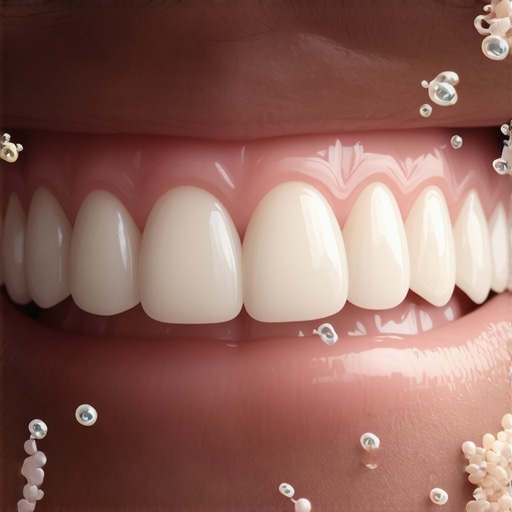
Ever had that sinking feeling when you brush your teeth, only to notice a foul odor lingering around your dental crown? I remember the first time it happened—standing in front of the mirror, toothbrush in hand, suspecting my mouth had betrayed me. Despite my rigorous brushing routine, that unpleasant smell persisted, leading me to wonder: “Is my crown just dirty or is something more insidious at play?”
The Frustrating Mystery of Bad Odor Despite Good Hygiene
Is Your Dental Crown Secretly Sabotaging Your Fresh Breath?
What I didn’t realize back then was how common this problem is—and the surprising reasons behind it. At first, I thought I was neglecting my oral hygiene, but it turns out that even diligent brushers can succumb to bad odors from dental crowns. Early on, I made a mistake by assuming that thorough brushing alone would keep my crown bacteria-free. That’s not always the case.
Research shows that even with proper brushing, bacteria can hide in tiny crevices, under the crown margins, or in hard-to-reach spots. A study published in the Journal of Dental Research highlights how bacterial buildup around crowns can lead to unpleasant odors and even gum disease if not properly managed. So, if you’re wondering why your crown smells despite your efforts, you’re not alone—and there’s more to the story than just brushing.
In this post, I’ll share what I’ve learned about why crowns smell bad and, most importantly, how to genuinely improve your oral health—beyond just brushing—so you can confidently smile without embarrassment. Ready to solve this mystery once and for all?
Scrub Away Hidden Bacteria
To tackle persistent odor from your crown, start by thoroughly cleaning around the margins where plaque and bacteria hide. Use a soft-bristled toothbrush and fluoride toothpaste, positioning your brush at a 45-degree angle to reach underneath the crown edge. I vividly recall the first time I spent extra minutes brushing these tricky areas—initially messy, but the fresh breath that followed was worth the effort. Consistent, gentle scrubbing disrupts bacterial colonies that cause foul smells.
Incorporate Interdental Cleaning
Floss Daily, Target the Crevices
Brushing alone isn’t enough; bacteria thrive in interdental spaces. Slide dental floss carefully beneath your crown’s margins, ensuring debris and plaque are removed from hard-to-reach spots. I once used unwaxed floss, feeling it snag a bit at first—yet, the relief from bad odor after flossing proved it was crucial. Regular flossing prevents bacteria buildup that causes unpleasant smells.
Use Specialized Oral Hygiene Tools
Employ interdental brushes or water flossers for enhanced cleaning. These tools can navigate tiny spaces better than floss alone, much like using a pipe cleaner for hard-to-reach tubing. I experimented with a water flosser, and the immediate freshening sensation was striking. Incorporate these into your daily routine for a deeper cleanse around crowns and other restorations.
Apply Antimicrobial Rinses Effectively
Rinsing with an antibacterial mouthwash reduces bacterial load significantly. Swish for 30 seconds, making sure the solution reaches the crown interface. I remember the first time I used a medicated rinse—within days, the odor diminished noticeably. Regular antimicrobial rinses are a powerful adjunct to mechanical cleaning, especially in tough spots.
Schedule Routine Dental Checks
Visiting your dentist regularly ensures that your crowns remain in top condition. They can professionally clean areas you might miss and check for issues like marginal gaps or decay, which can harbor bacteria and cause odor. I learned this lesson the hard way when my dentist caught a tiny gap early, preventing a foul smell from developing.
Stay Consistent and Vigilant
Consistent daily care is key to keeping your crown smelling fresh. Set a routine: brush twice, floss once, rinse, and visit your dentist bi-annually. One hectic week, I skipped a day’s cleanings, and the unpleasant odor crept back. Staying vigilant with these steps ensures your efforts pay off and your smile remains confidently fresh.
Many patients believe they fully understand their dental options, but in reality, misconceptions abound—especially around invisalign, crowns, and family dentistry. One pervasive myth is that Invisalign is inferior to traditional braces, but recent studies, such as the one from the American Journal of Orthodontics, show that Invisalign can be equally effective for many alignments when used appropriately. However, what most people overlook are the nuanced factors influencing treatment success, like bite dynamics and compliance, which require expert guidance.
Another common mistake is assuming all dental crowns are the same. While many think crowns are purely cosmetic, the critical nuance lies in choosing the right material and fit. For instance, porcelain-fused-to-metal crowns offer strength but can sometimes cause a dark line at the gum margin, which is a concern for aesthetics. Consulting with a specialist through resources like expert advice on crowns ensures long-lasting, natural results.
Understanding how family dentistry differs from specialty care is vital. Many believe that a general dentist handles all dental issues, but complex cases like temporomandibular joint disorder or advanced gum disease benefit from specialized practitioners. Recognizing when to seek a referral can prevent ongoing issues and promote better health outcomes.
What are the overlooked pitfalls in advanced dental restorations?
One key area often ignored is the importance of proper hygiene practices around crowns and implants, which, if neglected, can lead to secondary decay or peri-implantitis. A study in the Journal of Periodontology emphasizes that meticulous daily cleaning around restorations dramatically reduces complications. Common mistakes include using abrasive cleaners or neglecting interdental cleaning—actions that seem minor but have significant impacts over time.
Keeping up with routine check-ups and personalized cleaning routines designed by your dentist—like using specific interdental brushes—can make all the difference. For example, people sometimes overlook that even with the best procedures, improper maintenance can jeopardize long-term success, underscoring the importance of expert guidance. For more insights into how to optimize your oral health strategy, check out top oral health tips.
Have you ever fallen into this trap? Let me know in the comments. Embracing an informed approach ensures you’re not just reactive but proactive about your oral health and dental treatments.Maintaining your dental restorations requires precision and the right equipment. I personally rely on a combination of high-quality interdental brushes like the TePe Interdental Brush, which I prefer because of its comfortable handle and effective bristle design, allowing me to clean hard-to-reach areas around crowns and implants without damaging the delicate gum tissue. Additionally, I use an electric water flosser such as the Waterpik Aquarius, which utilizes pulsating water jets to dislodge plaque and debris in areas traditional floss can’t reach—saving me time and enhancing my oral health. The power of these tools isn’t just anecdotal; studies in the Journal of Clinical Dentistry support their effectiveness in reducing bacterial buildup around restorations. Going forward, I see the trend moving toward smart toothbrushes with integrated app monitoring to ensure consistent, effective cleaning routines, especially for those with complex restorations.
Looking back, I realized that my journey to healthier teeth taught me more than just brushing better—it’s about embracing a proactive and insightful approach to dental health. The most valuable lesson was understanding that your restorations, like crowns, are a partnership requiring care beyond the basics. This knowledge has transformed how I maintain my smile, encouraging me to be vigilant and informed. Remember, investing time and effort into tailored hygiene routines and consulting specialists can make all the difference in longevity and freshness. By staying curious and proactive, you ensure your dental investments are protected, and your confidence remains unwavering.