
Why your dental implant area feels itchy during healing
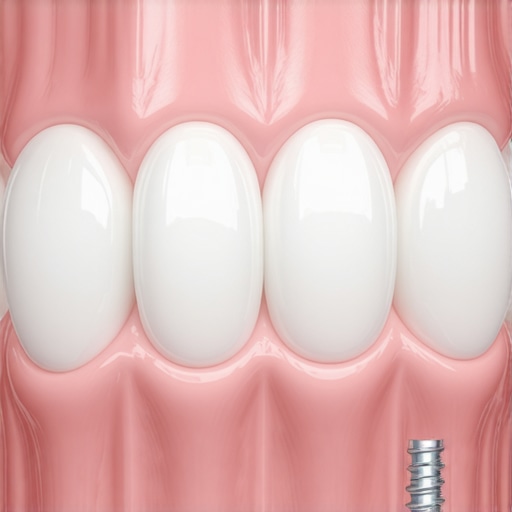
One evening, I was relaxing at home when I suddenly felt an annoying itch right where I had my dental implant placed a few weeks earlier. It caught me off guard because, honestly, I hadn’t expected to experience any discomfort or unusual sensations at this stage of healing. That moment made me realize how perplexing and unsettling it can be to deal with sensations like itching long after the procedure—and how important understanding what’s normal versus what’s a red flag truly is.
The First Step to Comfort: Why Your Implants Might Feel Itchy
If you’ve recently gotten a dental implant and are wondering why it’s feeling itchy, you’re not alone. Many people assume that any odd sensation hints at trouble, but the reality is more nuanced. During healing, your tissues are busy remodeling and adjusting, which can cause sensations like itching, tingling, or even mild soreness. These feelings are often signs that your body is working hard to integrate the implant with your jawbone—a process known as osseointegration.
However, it’s crucial to recognize when itching might be beyond normal and could indicate an infection or allergic reaction. Knowing the difference can prevent unnecessary worry and help you seek prompt professional advice if needed.
Could Your Itching Signal a Problem?
Early on, I made the mistake of brushing off persistent itching as just part of healing, only to discover later that it was a sign of an underlying issue. Trust me, ignoring unusual symptoms can lead to complications like infections or implant failure. Just as with other aspects of oral health—like crowns or family dentistry—being aware of what’s normal is key. For more insights on restorative options, check out why crowns are a game-changer in restorative dentistry.
In the upcoming sections, I will guide you through the common causes of itching, when to worry, and practical steps to soothe your healing site. Dealing with the discomfort is possible, and understanding the signs can help you avoid setbacks—so let’s dive into what really matters during your recovery journey.
Identify Normal Healing Signs
Initially, focus on differentiating between typical sensations and signs of complications. During osseointegration, mild itching and tingling are normal as tissues adapt. Reflecting on a time I felt persistent itching, I realized that gentle massaging around the implant site helped relieve discomfort and reassured me that healing was progressing. Using a clean finger or soft brush, lightly massage the area to promote blood flow and reduce irritation.
Maintain Excellent Oral Hygiene
Proper cleaning is crucial to prevent infections that cause itching. Gently brush around the implant with a soft-bristled toothbrush, avoiding excessive pressure. Floss carefully to remove debris, and consider using an antimicrobial mouthwash to reduce bacterial buildup. I once overlooked flossing around my implant, which led to increased discomfort; after implementing consistent cleaning, the itching diminished significantly. Remember, staying proactive with hygiene supports natural healing and prevents complications.
Use Soothing Remedies Safely
Applying cold packs can help reduce inflammation and soothe irritated tissues. Wrap a few ice cubes in a cloth and press gently on the cheek near the implant site for 10-15 minutes. When I applied a cold compress after noticing persistent itching, I experienced rapid relief and felt more comfortable. Avoid using any topical medicaments unless prescribed by your dentist, as improper applications may cause adverse reactions. Always choose gentle, proven remedies to support your recovery.
Watch for Warning Signs
Stay alert for signs indicating an infection, such as increased swelling, pus, or persistent pain. If itching worsens or is accompanied by swelling or fever, consult your dental professional immediately. I once ignored mild swelling and itchy sensations, leading to an infection that required antibiotics. Regular check-ups and prompt communication with your dentist can catch issues early. Keep a symptom diary to track your healing progress and share notable changes during appointments.
Plan Professional Consultation
If discomfort persists beyond a few days, or if you notice signs of infection, schedule a visit with your dentist through their contact page. During my own experience, a simple examination revealed that minor tissue irritation was causing the itching; a minor adjustment and tailored advice expedited my healing. Remember, professional guidance ensures that your healing follows the correct path and prevents more serious issues.
Many individuals believe that dental treatments like invisalign, crowns, and routine family dentistry are straightforward processes, but in reality, there’s a wealth of nuanced knowledge that even seasoned practitioners acknowledge. A common misconception is that all crowns are equally durable; however, the choice of material and the expertise of your dentist can dramatically influence longevity, as highlighted in a comprehensive guide to crown selection.
Another often overlooked aspect is the myth that oral health is solely about brushing twice daily. In truth, the intricacies of saliva composition, your diet, and even genetic factors play significant roles in maintaining a healthy mouth. For instance, some patients develop sensitivity to specific foods due to underlying microbiome imbalances, which can be addressed with targeted strategies outlined in recent research from the Journal of Oral Microbiome.
When it comes to invisalign, many assume it’s just a cosmetic विकल्प, but its impact on oral health extends beyond alignment. Misconceptions about its cleaning process or its potential to cause dry mouth are widespread; in reality, improper handling of trays can lead to bacterial overgrowth, counteracting their benefits. The latest from Invisalign experts debunks these myths, emphasizing proper hygiene and regular check-ups.
Regarding family dentistry, the real hidden benefit is often the preventive aspect that goes unnoticed. Routine visits are not solely for emergency fixes but for early detection of systemic health issues manifesting orally, such as vitamin deficiencies or diabetes signs. An article from the family dentistry trend report stresses the importance of personalized care tailored to age-specific needs, which can prevent costly procedures down the line.
My advice? Don’t fall prey to the oversimplified narratives that surround these treatments. Instead, dig into the details—select reputable professionals, understand material science behind crowns, and recognize the vital preventive role family dentists play. This nuanced understanding empowers you to make better choices and avoids common pitfalls. Have you ever fallen into this trap? Let me know in the comments or share your experiences with specialized dental procedures!

Ensuring the longevity and optimal performance of your dental restorations, whether it’s Invisalign aligners, crowns, or family dental procedures, requires not just diligent care but also the right tools. Over the years, I have refined my approach by selecting equipment and methods that streamline maintenance, reduce potential issues, and support long-term oral health.
Invest in a High-Quality Oral Irrigator
Akey tool I recommend is a water flosser, such as the Waterpik Aquarius. I personally rely on this device because it effectively removes plaque and debris from hard-to-reach areas around crowns, implants, and braces. The pulsating stream disrupts biofilm buildup better than traditional floss in many cases and is gentle on gums. Regular use not only maintains hygiene but also prevents inflammation that could compromise restorations. As trends move toward minimally invasive and tech-assisted dental care, integrating a water flosser into your routine is becoming increasingly essential.
Choose an Ultrasonic Toothbrush with Custom Settings
My go-to electric toothbrush is the Philips Sonicare DiamondClean Smart. Its sonic technology offers superior plaque removal while being gentle enough for sensitive areas around crowns or implants. I set the brush to a low setting when I notice slight irritation, and switch to higher power after a couple of days. The ability to customize brushing intensity helps maintain surfaces without damaging delicate restorations, extending their lifespan. As innovation continues, future models may incorporate AI to tailor cleaning even more precisely based on individual oral health status.
Use Gentle, Antimicrobial Mouthwashes
Alongside mechanical cleaning, I incorporate an antimicrobial rinse like Listerine Total Care, especially when dealing with compromised or sensitive sites. Rinsing reduces bacterial load and can prevent peri-implantitis or enamel demineralization around crowns. However, I avoid overly harsh formulations that might wear down restorations prematurely. Emerging research supports the integration of nanotechnology-infused mouthwashes for enhanced plaque control, hinting at exciting future developments in maintenance tools.
Monitor Your Restorations Regularly
Routine self-checks are vital. I recommend visual inspections of your crowns, veneers, or Invisalign trays for cracks, discoloration, or looseness. Implementing a habit of weekly examination helps catch problems early. Combining this with digital dental scans during periodic professional visits—managed seamlessly through tools like intraoral scanners—can even detect subtle issues invisible to the naked eye. For instance, a study from the Dental Magazine highlights how intraoral scanners improve early detection of micro-cracks, saving restorations from failure.
Plan for Professional Maintenance and Upgrades
While home care is crucial, professional evaluations should be scheduled every 6-12 months. Sometimes, protective coatings or adjustments are necessary to prolong the function of crowns and implants. Modern dentistry increasingly utilizes CAD/CAM technology to fabricate precise, durable restorations, which I highly recommend to ensure your smile remains resilient over years. Regular check-ups also allow your dentist to recommend resin sealants or other protective measures tailored to your lifestyle.
Predicting Long-Term Success in Oral Care
The trajectory for dental maintenance is heading toward smarter, more personalized solutions. Automated reminders via dental apps, AI-driven oral health analytics, and advanced materials that adapt to mouth conditions are on the horizon. By adopting these cutting-edge tools now, you can ensure your restorations continue to serve you well long into the future.
One tip I encourage you to try today is incorporating an ultrasonic toothbrush with customizable settings into your routine. Its superior cleaning power, coupled with gentle operation, will benefit crowns, implants, and natural teeth alike. For a more comprehensive approach tailored to your unique needs, consult with your dentist to develop a personalized maintenance plan. Ready to elevate your home care? Schedule your next professional check-up through their contact page and ask about integrating new tech tools into your oral health regimen.
The Hardest Lesson I Learned About Invisalign and Crowns
Initially, I believed that once my Invisalign trays fit perfectly, my journey was nearly over. However, I soon realized that neglecting regular cleaning and check-ups could compromise the results. This taught me that consistent, personalized care is vital for long-term success, rather than just the initial treatment.
My Unexpected Revelation About Family Dentistry
I used to think family dentists were only for routine cleanings. It wasn’t until I experienced an unexpected oral health issue that I discovered how valuable routine professional evaluations are for catching systemic health signs early. Now, I understand that proactive visits can save you both money and discomfort later on. Curious about how family dentistry can serve you better? Check out this trend report.
Why Material Choice for Crowns Matters More Than I Thought
At first, I assumed all crowns provided the same durability. But after researching, I learned that the material and the expertise behind fabrication greatly influence longevity. This insight motivated me to select skilled professionals who prioritize quality, which you can learn more about in this comprehensive guide.
My Personal Fix for Sensitive Gums During Post-Treatment Care
Dealing with sensitive gums after restorative work was frustrating until I started using gentle, antimicrobial mouthwashes and customized brushing routines. Those small adjustments made a big difference, and it showed me that tailored home care plays a crucial role in protecting my investment and maintaining oral health between visits.