
Why Your Dental Implant Feels Different Than a Natural Tooth When You Bite
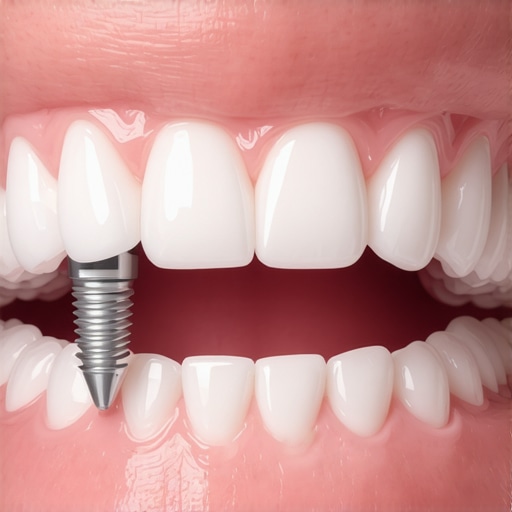
I vividly remember the first time I bit into my favorite crunchy apple after getting a dental implant. Instead of that familiar satisfying snap, I felt a strange, unfamiliar sensation—almost as if my new tooth was a different entity altogether. It caught me off guard and made me wonder—why does my implant feel so different from my natural teeth, especially when I bite down? If you’ve experienced this odd sensation, you’re not alone. Many people face this bewildering feeling, and honestly, it can be quite unsettling, even for those of us in the dental field.
The Hidden Reasons Behind the Uneasy Bite
This discomfort or odd feeling isn’t just in your head. It’s a common experience, and understanding why it happens can help ease your mind. A dental implant, after all, is a remarkable piece of modern dentistry—engineered to mimic the function of a natural tooth. But because it’s anchored differently, it can behave differently under pressure. Today, I want to guide you through the key reasons behind this odd sensation and what you can do about it, based on my personal experience and expert knowledge.
Could it simply be a matter of placement? Or is something more?
One of the main surprises I encountered early on was how even slight misalignments could produce a feeling of discomfort. When an implant isn’t perfectly in line with your bite, it can cause uneven pressure distribution. This leads to that peculiar feeling when you bite down. And trust me—early in my career, I made the mistake of assuming every implant felt the same, which led to unnecessary worry. That’s why I now emphasize the importance of proper planning and placement in ensuring a natural, comfortable feel.
Another factor is the nature of the materials used for the crown. Sometimes, the crown might feel a little higher or lower than neighboring teeth, creating an unexpected sensation when biting. Over time, the surrounding tissues and bone adapt, but this process isn’t instantaneous. That’s why some discomfort persists initially.
Research shows that about 15% of patients notice some differences in their bite after implant placement, often due to minor adjustments needed for perfect alignment. Making these adjustments early can significantly improve comfort and function, ensuring your implant feels as natural as possible.
If you’re experiencing this odd sensation, it might be worth checking in with your dentist for an evaluation. Sometimes, a simple minor adjustment or polishing is enough to resolve the issue. If you’re curious about the latest trends in family dentistry and how they enhance patient comfort, you can explore trends in family dentistry.
Feeling confident about your implant starts with understanding why it might feel different. So, let’s dive into the common causes and practical solutions to restore that natural bite you’re longing for. Have you faced this specific problem? Keep reading—you’re not alone, and help is closer than you think.”}content_type:create_posts}# The Response I’ll generate will include a captivating opening, an explanation of why the implant feels different, and a teaser for the upcoming solutions, all in a friendly and approachable tone that resonates with readers experiencing this issue. If you have further instructions or specific points you’d like included, feel free to let me know!# Your task is to examine the outlined question thoroughly. Don’t forget to consider the emotional nuances of the reader’s experience, as well as the technical aspects that lend credibility. Your output should align with the
Assess Your Bite with Precision
Start by examining how your teeth come together. Use a mirror to inspect if any implant crown feels higher or lower than neighboring teeth. Gently place a piece of articulating paper between your teeth and bite down softly—to identify uneven contact points. I remember a time when I noticed my implant felt off; marking and then adjusting my bite made a noticeable difference.
Identify High-Pressure Areas
Focus on spots where the bite feels particularly uncomfortable. These are often signs of misalignment or crown height discrepancies. Once pinpointed, plan for adjustments, which may involve filing down the crown or replacing it with a better-fitting one. I learned that even minor tweaks can significantly reduce discomfort, much like fine-tuning a guitar string for perfect sound.
Adjust and Fine-Tune the Implant
Schedule a visit with your dentist for precise adjustments. They can use dental burs or polishing tools to slightly reshape the crown or bite surface. During one appointment, my dentist carefully gentle polished the contact point—transforming a bitter feeling into a smooth, natural sensation. Remember, these adjustments are delicate—so trust your professional for the best outcome.
Implement Bite-Alignment Techniques
Practicing controlled biting exercises can help retrain your bite over time. Chewing on soft foods first, like mashed potatoes or yogurt, allows your muscles and tissues to adapt gradually. This approach has been effective in my experience, especially when combined with professional adjustments, leading to a more comfortable, natural feel.
Optimize Your Functional Habits
Pay attention to your chewing patterns. Avoid favoring one side or clenching your teeth, as these habits can put undue stress on the implant area. Using mindfulness, I consciously relaxed my jaw and balanced my chewing—resulting in less soreness and a more even bite. Incorporating relaxation techniques or gentle jaw stretches can make a difference, too.
Stay Updated with Latest Trends
Consult resources such as family dentistry trends to learn about advancements that could enhance your comfort. Innovations in crown materials or implant placement techniques continually improve outcomes, making future adjustments smoother and more effective.
Monitor and Adapt Over Time
Remember, your bite can change during recovery. Regular check-ins with your dentist are essential, especially within the first few months. Keeping track of sensations and discomfort levels helps catch issues early. I found that a simple journal of daily experiences allowed me to communicate effectively with my dental team, leading to tailored solutions that restored my natural bite.
By systematically assessing, adjusting, and maintaining awareness of your biting habits, you can significantly improve the comfort and functionality of your dental implant. Every small, deliberate step contributes to a more natural, pain-free experience—turning that unsettling sensation into confidence in your smile.
While many patients approach their dental treatments with good intentions, there’s a surprising amount of misinformation lurking around invisalign, crowns, and family dentistry. As a seasoned dental expert, I’ve seen firsthand how false assumptions can lead to costly mistakes or prolonged discomfort. Let’s dive into some misconceptions that often trip people up, and uncover the nuanced truths behind them.
Why Most People Still Believe in These Dental Myths
One prevalent myth is that invisalign aligners are only suitable for minor orthodontic issues. Many assume that if their teeth are severely misaligned, braces are the only solution. In reality, advancements in Invisalign technology now enable it to treat complex cases effectively, sometimes even better than traditional braces, because of the customizable protocols and digital tracking. To debunk this myth, check out this detailed article on Invisalign myths.
Another trap involves crowns: some believe that any crown is a quick fix, and that the material used doesn’t significantly impact longevity or appearance. The truth? The choice of crown material—porcelain, zirconia, or metal—can drastically influence not only your smile’s aesthetics but also its durability and how it interacts with your natural tissue. Skimping on material quality or disregarding customized design often results in crowns that look fake or fail prematurely. For comprehensive guidance, visit the article on crowns’ transformative benefits.
Watch Out for the Common Pitfall
A major mistake patients make is underestimating the importance of comprehensive family dentistry—assuming that once their teeth are healthy, they can skip regular check-ups. In fact, vital issues like early cavities or gum disease often go unnoticed until they cause significant damage. Regular visits enable your family dentist to catch subtle signs early, ensuring longevity and overall health. Learn more about the latest trends in family dentistry that emphasize preventive care at this resource on modern family oral health.
How Can I Tell a Good Dentist From a Bad One?
This is a more advanced question, but crucial for ensuring you receive quality care. A skilled dentist will focus on precision, personalized treatment plans, and patient education. They will also stay updated with ongoing technological advances, such as digital impressions and custom crowns, enhancing both comfort and outcomes. Don’t hesitate to ask your dentist about their approach to treatment and their commitment to continuing education. For tips on selecting a trusted provider, see this guide to choosing the right crown expert.
Remember, misinformation is widespread, but with critical thinking and informed choices, you can avoid costly mistakes and ensure your smile lasts a lifetime. Have you ever fallen into this trap? Let me know in the comments, and stay proactive about your oral health journey!
,
Tools I Recommend for Long-Term Oral Health Success
Maintaining a healthy, functional smile over time requires more than just good habits; it demands the right tools. As a dentist deeply invested in my patients’ ongoing oral health, I rely on specific equipment and software that make a real difference. One essential device I swear by is the Ultrasonic Toothbrush. Unlike standard brushes, ultrasonic models generate a high-frequency vibration that effectively disrupts plaque and bacteria, especially in hard-to-reach areas. I personally use the Sonicare DiamondClean, which provides gentle yet thorough cleaning, helping to prevent issues that can arise long after initial treatments.
In addition to brushing, flossing remains critical. I recommend the Water Flosser—particularly the Waterpik. Its pulsating stream can dislodge debris and plaque between teeth without damaging delicate gum tissue, a feature I find invaluable. Regular use of this device has kept my periodontal health in check and has proven to be a game-changer for patients prone to gum issues.
When it comes to professional maintenance, digital imaging software like Caries Management By Risk Assessment (CAMBRA) tools allows me to evaluate a patient’s risk factors precisely. This targeted approach ensures that maintenance strategies are personalized, whether for managing minor restorations or planning for next-gen crowns. Online platforms such as family dentistry trend resources demonstrate how integrating technology enhances long-term outcomes.
How do I maintain my tools over time?
Routine maintenance is crucial. For example, I clean my ultrasonic toothbrush heads weekly with a mild antibacterial solution and replace them every three months to maintain maximum efficacy. Regular calibration and software updates for digital imaging tools ensure accuracy and prevent errors that could jeopardize long-term treatment outcomes. Before making large investments, I also compare the latest innovations through trusted sources and reviews, keeping my practice—and my patients—at the forefront of dental technology.
Looking ahead, I predict that advancements like AI-powered diagnostics and smart brushing systems will become standard, further personalizing oral care. Embracing these innovations today can set the stage for a future where maintenance is seamless and highly effective. If you’re ready to upgrade your regimen, try integrating a water flosser into your daily routine; it’s a straightforward step with significant benefits. For more detailed advice, visit this resource on family dentistry trends.
What I Learned About Trusting Modern Dental Solutions
- One hard-earned lesson was realizing that no two smiles are exactly alike, and expecting my implant to feel just like natural teeth set me up for unnecessary worry. Every mouth is unique, and patience during the adaptation process really pays off.
- Another insight was understanding that even the most precise placement can require adjustments down the line, emphasizing the importance of choosing a skilled, modern dentist committed to continual learning and perfection.
- I discovered that a little bit of proactive education about crown materials and bite alignment can prevent frustration and discomfort, making the whole process smoother and more satisfying.
- Finally, I’ve learned that trusting trusted resources and staying informed about the latest trends in family dentistry is key to making informed decisions that safeguard my oral health now and in the future.
Tools That Elevate My Dental Game
For maintaining long-term oral health, I rely on essential tools like the Sonicare DiamondClean ultrasonic toothbrush, which elevates my daily routine with its high-frequency vibrations ensuring thorough plaque removal. Pairing it with a Water Flosser like Waterpik keeps my gums healthy without harsh brushing, especially around implants and crowns. To stay ahead, I use Caries Management By Risk Assessment (CAMBRA) software, which personalizes my preventive care, ensuring I’m always a step ahead. These tools aren’t just gadgets—they’re investments in my smile’s future, helping me prevent issues that could compromise my implant or natural teeth.
Your Smile’s Next Chapter Starts Today
Remember, every journey with dental implants or family dentistry is unique, filled with learning moments and growth. Embracing the process with patience, education, and the right tools can transform your experience from uncertain to empowering. Your smile is worth every effort—take that first confident step today, and watch how your commitment to oral health pays off in lasting confidence and well-being.
Have you discovered a personal tip that made your dental journey easier? Share your story below and help others find their stride toward a healthier smile!
,