
Why your dental implant is making a clicking sound when you talk
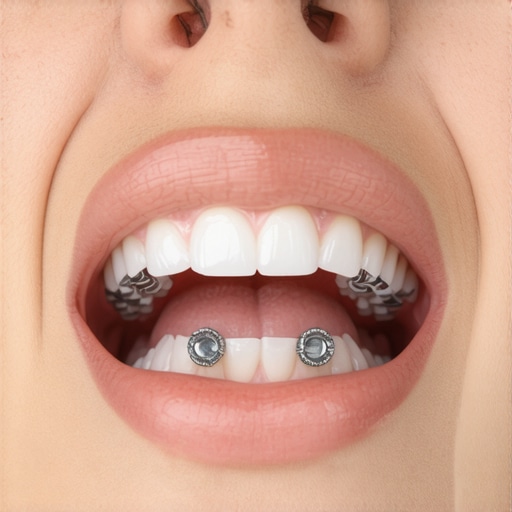
It happened unexpectedly during a family gathering—there I was, trying to enjoy a good chat, when I noticed a strange clicking sound whenever I talked. Not the kind of clicking that makes you pause and wonder if your dentures are loose, but a clear, rhythmic tap, tap, tap coming from my mouth. At first, I thought maybe I was hearing things, or that a piece of food was stuck somewhere, but reality hit me hard. It was my dental implant making noise, and suddenly, I felt self-conscious, puzzled, and a bit worried.
Understanding the Real Reason Behind the Clicks
Many people don’t realize that a clicking sound from a dental implant isn’t always a sign of something serious, but it is a signal your body is trying to send. Over time, implants can shift, loosen, or develop small movements, especially if the surrounding bone or tissues aren’t as healthy as they should be. This movement can create a clicking noise when talking or even during eating.
What surprised me early on was learning that sometimes, this clicking isn’t painful or urgent—but it indicates that something might need attention. For me, it was a wake-up call to not ignore small changes in my oral health. If you’re experiencing similar sounds, it’s vital to understand the underlying causes. Sometimes, the issue can be a simple adjustment, but other times, it might be related to bone loss or implant failure.
Interestingly, a study published in the Journal of Prosthetic Dentistry highlights that most implant-related noises are due to minor movements, which often occur if the implant isn’t osseointegrated properly or if there’s been trauma or bone resorption (source: [JPD](https://journals.sagepub.com/doi/10.1177/0022034517703752)). Recognizing early signs can save you pain, money, and inconvenience.
So, how do you know if your clicking is just a minor quirk or a sign of something more serious? That’s exactly what we’ll explore next—so you can take informed steps to protect your smile.
Are you currently dealing with a clicking implant? Don’t hesitate to reach out to a professional—early diagnosis can make all the difference. Check out our detailed guide on [how to tell if your dental implant is failing](https://familydentistpro.com/how-to-tell-if-your-dental-implant-is-failing-or-just-healing-2) or contact us [here](https://familydentistpro.com/contact-us) for assistance. Remember, a slight click now can become a bigger problem later if left unaddressed.
Assess Your Situation Clearly
Begin by identifying the frequency and pattern of the clicking noise. Is it present only during speech or also while eating? Keep a journal of when it occurs, noting any accompanying discomfort or changes in bite. This detailed record will help your dentist pinpoint potential causes and tailor the right treatment plan.
H2>Schedule a Professional ExamImmediately
Secure an appointment with your dentist to evaluate the implant thoroughly. Avoid delaying, as early diagnosis is essential. During the visit, expect a comprehensive oral exam, possibly including X-rays, to assess bone health and implant stability. Be prepared to discuss your observations and any sensations of looseness or pain.
H2>Maintain Optimal Oral Hygiene
Good oral care prevents complications that may contribute to implant movement. Brush twice daily with a soft-bristled toothbrush, ensuring cleaning around the implant and at the gum line. Floss carefully but thoroughly, and consider using an antimicrobial mouthwash to reduce bacterial buildup that can weaken supporting tissues.
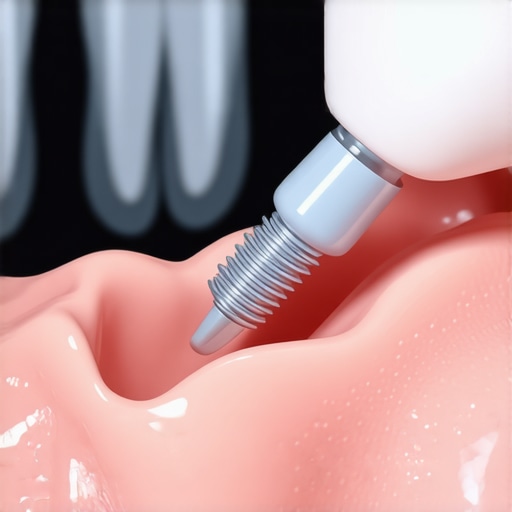
Proper brushing technique aids in maintaining implant stability.
H2>Identify and Avoid Contributing Factors
Be mindful of habits or behaviors that might exacerbate the issue, such as grinding teeth or chewing hard foods. If you notice any recent trauma or significant changes in jaw movement, inform your dentist—they may recommend a night guard or modifications to your diet to prevent further damage.
H2>Follow Expert Recommendations for Repairs or Adjustments
If your dentist determines the implant has shifted slightly, they might perform an adjustment or recommend a minor procedure for stabilization. In cases of more significant loosening or bone loss, surgical intervention, including bone grafts or implant replacement, might be necessary. Always rely on professional guidance rather than trying home remedies, which can worsen the situation.
H2>Adopt Preventive Strategies for Long-Term Success
Regular dental check-ups, typically every six months, are vital for early detection of issues. Maintain a balanced diet rich in calcium and Vitamin D and avoid habits like smoking, which impair healing. Familiarize yourself with best practices in restorative dentistry to ensure your implants remain healthy and functional.
H2>Stay Informed and Proactive
Educate yourself about signs of implant failure or complications by exploring reliable sources. If any new symptoms arise, consult your dentist promptly. Remember, addressing issues early often prevents costly repairs or replacements, preserving your oral health and confidence.
Many people hold misconceptions about dental crowns, family dentistry, and Invisalign, often due to outdated information or marketing hype. Let’s dig deeper into some of these nuanced truths that can significantly impact your oral health journey. One widespread myth is that all dental crowns are temporary or of similar quality. In reality, the material choice—whether porcelain, gold, or zirconia—can affect durability and aesthetics. Choosing the right crown isn’t just about price; it’s about understanding the long-term benefits, which is why consulting an expert is crucial. Many assume that family dentistry only focuses on children, but it actually encompasses comprehensive oral health care for all ages, emphasizing prevention and education—more details are available in our article on family dentistry trends. Meanwhile, a common misconception about Invisalign is that it’s only for minor adjustments or adults. However, advanced orthodontic techniques of Invisalign now cater to complex cases for both teens and adults, with some studies indicating higher patient satisfaction compared to traditional braces (source).Maintaining long-term oral health and the longevity of dental restorations like crowns, Invisalign, and implants requires more than regular brushing. Investing in the right tools can make a significant difference in preventing issues and ensuring your treatments work smoothly over time. For instance, I personally swear by an ultrasonic electric toothbrush, such as the Sonicare DiamondClean, because its sonic technology effectively removes plaque and reaches areas traditional brushes often miss, especially around crowns and implants. Additionally, using interdental tools like Waterpik Water Flossers allows for thorough cleaning between teeth and around restorations, which is critical in preventing decay and gum issues. I recommend the Waterpik Ultra model, as it’s gentle yet powerful enough to dislodge debris without damaging delicate tissues or dental work. Pairing these tools with high-quality ADA-approved toothpaste containing fluoride helps reinforce enamel and safeguard against decay at restoration margins.
Software solutions can also enhance your maintenance routine. For example, adopting a reminder app like Dental Monitoring or SmileReminder ensures you keep up with regular check-ups and professional cleanings, which are vital for catching potential problems early. Personally, I set notifications for biannual dental visits and quarterly professional cleanings, as consistent maintenance is key to long-term success.
Speaking of professional oversight, my go-to dentist utilizes digital scanning technology, like CEREC systems, to create precise crowns and restorations in fewer visits. This technology not only improves fit and comfort but also facilitates ongoing monitoring through intraoral cameras that track changes over time. This integration of advanced equipment with personalized care helps maintain the integrity of your oral health much more effectively.
Looking ahead, I believe the future of dental maintenance will lean heavily on smart technology. Wearable devices that monitor oral health metrics and send alerts about early signs of decay or gum disease are on the horizon—making proactive care accessible and immediate. Reflecting on this trend, I emphasize that combining current tools like high-quality toothbrushes and interdental cleaners with emerging tech can revolutionize your long-term dental health.
**How do I keep my dental restorations working well over time?** I recommend regular use of power flossers and scheduled check-ins with your dentist to evaluate the condition of crowns, implants, and Invisalign aligners. Remember, the key is consistency and investing in quality tools to avoid costly repairs later. For tailored advice, consider consulting professionals about the latest equipment suitable for your specific needs and have a chat about incorporating tech solutions into your routine. And if you’re ready to elevate your oral care game, try integrating a Sonicare DiamondClean or Waterpik Water Flosser into your daily routine today—your smile will thank you! Learn more about the best practices in restorative dentistry and tools at our comprehensive guide.
Small Realizations That Changed My Confidence
After years of neglecting dental concerns, I discovered that even minor issues like a clicking implant can indicate underlying problems. Recognizing early signs taught me the importance of proactive care, preventing costly repairs down the line. I learned that quality materials and expert guidance make a significant difference in long-term durability, which transformed my approach to choosing dental restorations. Also, understanding that family dentistry isn’t just for kids opened my eyes to comprehensive, lifelong health strategies I wish I had embraced sooner.
Tools and Resources That Made a Difference
My ultimate toolkit includes the Sonicare DiamondClean electric toothbrush, which ensures thorough cleaning around crowns and implants. The Waterpik Ultra Water Flosser became indispensable for maintaining healthy gum tissue and preventing plaque buildup, especially around restorations. I also trust the detailed insights from [our comprehensive crown guide](https://familydentistpro.com/the-ultimate-guide-to-crowns-for-a-healthier-smile) that demystifies material choices and procedures. Lastly, regular consultations and digital monitoring from my dentist help catch issues early, saving me from surprises.
Your Smile’s Next Chapter Starts Today
Embark on your journey toward healthier, more confident smiles by staying informed and proactive. Remember, addressing small signs like clicking or sensitivity early can prevent major setbacks. Empower yourself with knowledge, invest in quality tools, and partner with trusted professionals. Your oral health isn’t just about aesthetics—it’s a vital part of your overall well-being. So why wait? Take that first step today, and let your smile shine brighter than ever.