
Why your gums are receding despite brushing twice a day
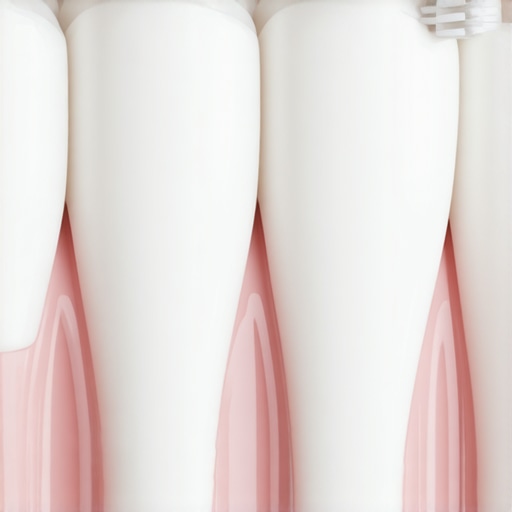
I stood in my bathroom last Tuesday, staring into the vanity mirror, when I noticed something that made my heart sink. My canine teeth looked… longer. It wasn’t a trick of the light. The pink tissue had pulled back, exposing a yellowish sliver of the root that definitely wasn’t supposed to be there. I felt betrayed. I’m the person who never misses a session; I brush twice a day, every day, without fail. I thought I was doing everything right, but my gums were retreating like they were running away from a fight. If you’ve ever felt that sharp zing when drinking cold water and wondered why your “perfect” routine is failing you, you aren’t alone. Today, I’m going to show you why your dedication might actually be the very thing causing the damage and how we can flip the script to save your smile. [image-placeholder]
You Are Probably Brushing Your Way to a Receding Smile
It took a blunt conversation with my hygienist to realize my biggest mistake: I was a “scrubber.” I thought that the harder I pressed, the cleaner my teeth would be. In reality, I was literally sawing away at my delicate gum tissue. This is a classic case of brushing too hard, and it’s a trap many of us fall into because we want that “squeaky-clean” feeling. According to the American Dental Association, using a hard-bristled brush or applying excessive force can wear down enamel and push gums back permanently. It’s not about how hard you work; it’s about how smart you move that brush.
Is it possible to be too clean for your own good?
You might be skeptical. After all, we’ve been told since kindergarten that brushing is the holy grail of maintaining oral health. But there is a fine line between hygiene and abrasion. When I finally swallowed my pride and switched to a softer approach, that nagging sensitivity started to fade. If you aren’t sure where you stand, you should check out the truth about soft vs hard toothbrushes to see if your tools are working against you. Have you noticed your gums looking a bit higher lately, or maybe a little notch near the gumline? I’d love to hear if you’re struggling with this too—it’s way more common than people admit. We need to focus on the specific way to brush to stop the recession in its tracks before you end up needing more serious intervention.
Hold Your Brush with Two Fingers to Save Your Tissue
Most people grip their toothbrush like a hammer, ready to do battle with plaque. This ‘fist grip’ is the enemy of your gums. I learned this the hard way when I noticed those yellow notches appearing. Now, I use what I call the ‘violin grip.’ I hold the brush handle lightly between my thumb and the tips of my fingers. This simple change makes it physically impossible to apply enough pressure to cause trauma. If you are trying to follow maintaining oral health with modern techniques, start by checking your grip. If your bristles are splayed out like an old broom after only a month, you are definitely pushing too hard. 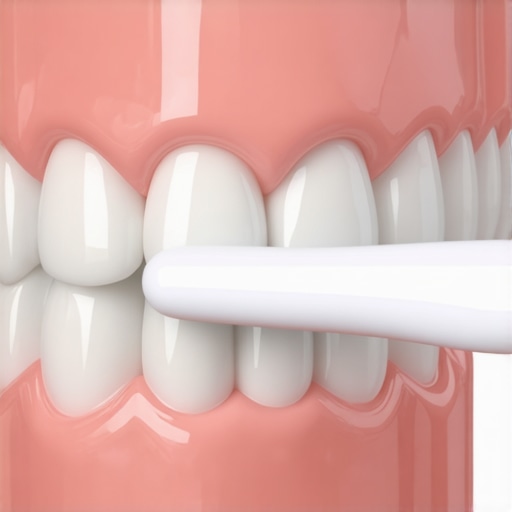
The 45-Degree Angle that Actually Works
Once you have the right grip, the angle is everything. You shouldn’t be brushing the flat surfaces of your teeth only; you need to target the transition zone. Tilt the brush at a 45-degree angle toward the gumline. This allows the soft bristles to gently slip just beneath the edge of the pink tissue. Instead of long, sawing strokes, use tiny, circular vibrations. It feels like you aren’t doing much, but this is exactly the specific way to brush when you have gum recession. When I switched to this ‘vibration’ method, I stopped seeing that pink tint in the sink every morning. It was a total game-changer for my sensitivity levels.
Upgrade Your Toolkit for a Gentler Clean
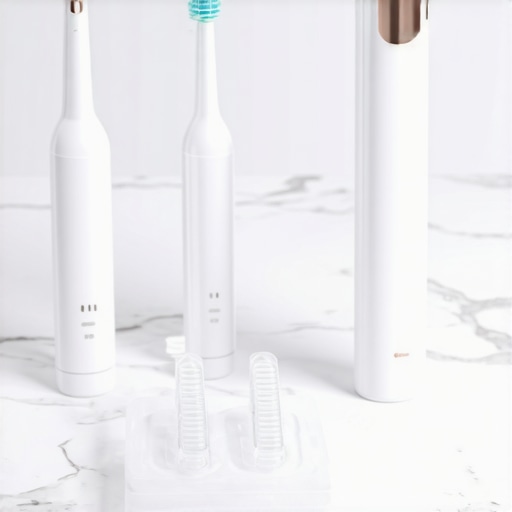
If you can’t trust yourself to be gentle, let technology do the heavy lifting. A high-quality electric toothbrush with a pressure sensor is the best investment you can make for your mouth. It will literally buzz or light up red if you start acting like a ‘scrubber’ again. This is one of the top oral health tips for your familys bright smiles because it takes the guesswork out of the equation. To supplement this, stop fighting with traditional floss if it makes your gums bleed. You can learn the trick to using a water flosser without making a total mess to flush out bacteria without the mechanical abrasion that often scares people away from flossing entirely.
When the Damage Needs a Structural Fix
Sometimes, no matter how much you change your habits, the existing recession has already exposed the sensitive root. This is why you get that jolt when drinking cold brew. If you want to know how to stop the painful zing when you drink iced coffee, you might need to look beyond the brush. When the enamel is gone and the root is exposed, your dentist might suggest a restoration to protect the area. In cases where the tooth structure is also compromised, choosing the right crown can be the difference between saving a tooth and eventually losing it. I once had a small notch so deep that a simple filling wouldn’t stay; getting a protective layer was the only thing that finally stopped the constant ache.
Consistency Over Intensity Every Single Time
Think of your gums like a delicate silk fabric. You wouldn’t clean silk with a wire brush; you’d use a gentle touch. Your mouth is the same. The goal is to disrupt the biofilm of bacteria, not to sand down the surface of your teeth. Even if you are already seeing the effects of recession, stopping the progression now is your top priority. By mastering these gentle movements, you can prevent future visits involving gum grafts or more invasive surgeries.
Many people assume that once a tooth is ‘fixed’ with a crown or straightened with Invisalign, the hard work is over. I used to think the same. I figured a porcelain cap was like a suit of armor that could never decay. But here is the contrarian truth: a crown is actually more demanding than a natural tooth. While the porcelain itself can’t get a cavity, the tiny seam where the crown meets your natural tooth—called the margin—is a magnet for bacteria. If you ignore this area, you risk ‘recurrent decay,’ which is a fancy way of saying a cavity is eating your tooth from the inside out under your expensive restoration. This is why choosing the right crown is only half the battle; the other half is the maintenance of that seal.
Your Crown Isn’t a Shield Against Poor Habits
The biggest ‘oops’ factor I see is the ‘set it and forget it’ mentality. People often panic when they feel a strange sensation, wondering why your new zirconia crown feels taller than your other teeth or why it tastes like metal. Often, these aren’t failures of the material but signs of your bite being slightly out of alignment. A study published in the American Journal of Orthodontics and Dentofacial Orthopedics highlights that even minor malocclusions can lead to increased plaque buildup and uneven wear on restorations. If you don’t address the underlying structural issues, you’re just putting a band-aid on a bigger problem. 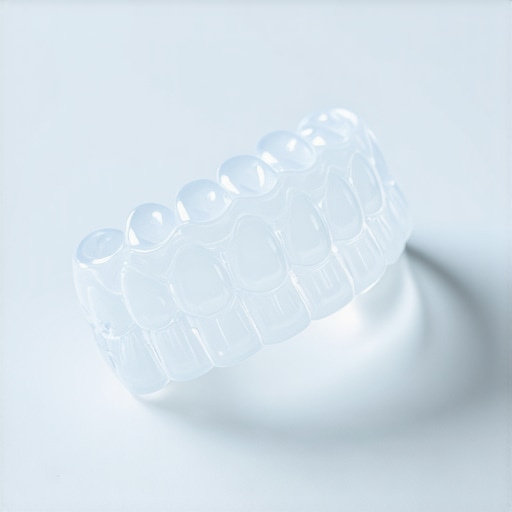
Why does your crown feel like a high spot only when you’re stressed?
This is a sophisticated nuance many patients miss. You might go through the whole day feeling fine, but as soon as you’re under pressure at work or trying to sleep, that crown starts to feel ‘thick’ or ‘too big.’ This usually happens because you are clenching or grinding, which inflames the ligament holding the tooth in place. This is a classic example of why your crown feels like it has a high spot only when you grind. It isn’t that the crown grew; it’s that your body is pushing the tooth to its limit. Understanding these family dentistry secrets for maintaining oral health means recognizing that your teeth don’t exist in a vacuum—they react to your lifestyle.
The Real Reason Invisalign is More Than Just a Pretty Smile
Another common myth is that Invisalign is purely for vanity. In reality, it is one of the most effective tools for preventing gum recession. When teeth are crowded, they are physically impossible to clean properly, no matter how many top oral health tips you follow. Straightening them isn’t just about the ‘selfie’; it’s about creating a landscape where your brush can actually reach the bacteria. However, a hidden trap with clear aligners is the ‘sugar bath’ effect. If you drink anything other than water with your trays in, you are trapping sugar and acid directly against your enamel for hours. I’ve seen people develop more cavities during six months of Invisalign than they did in six years of traditional dental care simply because they didn’t realize what you need to know today about Invisalign myths. Have you ever fallen into this trap or noticed your crown feeling ‘off’ during stressful weeks? Let me know in the comments!
It’s one thing to get your teeth to a place where you’re proud of them, but keeping them there is an entirely different game. After I finally sorted out my gum recession, I realized that my bathroom counter needed a serious upgrade. If you’re just using a standard brush and some string floss, you’re basically trying to maintain a Ferrari with a pair of rusty pliers. To really protect those high-end restorations, you need to think about the longevity of the margins—that tiny intersection where your crown or filling meets your natural tooth. According to Dr. J. Robert Kelly in the Journal of Prosthetic Dentistry, mechanical fatigue at these junctions is the primary reason why even the best dental work eventually fails. This is why I’ve become obsessed with using tools that eliminate human error.
Stop Fighting Your Invisalign Trays Every Morning
If you’re currently in the middle of your clear aligner journey, you know the frustration of a tray that won’t quite ‘click’ into place. Most people just bite down hard, but that’s a recipe for cracked plastic or, worse, uneven pressure on your roots. I swear by the ‘munchie’ technique. These are small, silicone devices designed with specific indentations to help you seat your aligners perfectly every time. Learning how to seat stubborn invisalign trays using the munchie technique ensures that the tooth movement happens exactly as the software predicted, rather than leaving you with a ‘tracking’ error that adds months to your treatment. It’s a tiny tool, but it’s the difference between a perfect result and a mediocre one.
How can I keep my smile looking new for the next decade?
Maintenance isn’t about one big deep clean; it’s about the microscopic habits you do when you’re tired at 11:00 PM. For those of us with restorations, you have to be vigilant about why your porcelain crown has a tiny chip on the edge. Usually, it’s not the food you ate; it’s the night-time grinding you aren’t even aware of. This is why I recommend a 3D scan at least once every two years. Modern invisalign innovations have made it so your dentist can overlay scans from 2023 with 2025 to see exactly where your enamel is thinning. Seeing what a 3d cbct scan reveals that standard x-rays miss entirely can catch a failing crown or a shifting bite before you ever feel pain.
The Future of Family Dentistry is in Your Smartphone
I predict that within the next five years, the ‘trend’ of manual check-ups will shift toward AI-driven remote monitoring. We are already seeing apps that allow you to take a high-res photo of your smile, which then flags early signs of gum inflammation or crown wear. This will be a massive part of how invisalign transforms family dentistry in 2025 and beyond. It takes the guesswork out of maintaining oral health with modern techniques. If you want to stay ahead of the curve, stop treating your dental visits as ‘repairs’ and start treating them as data-collection sessions for your long-term health. Tonight, I want you to try one thing: if you have a water flosser, use it on the lowest setting around your crown margins first, then gradually increase the pressure. It’s the most effective way to flush the ‘margin gap’ without causing trauma.
Lessons I Had to Learn the Hard Way About My Teeth
It is easy to get discouraged when you feel like you are failing at something as basic as brushing. One of the biggest lightbulb moments for me was realizing that what you need to know today about Invisalign myths and crown maintenance often comes down to the same thing: gentle consistency over aggressive force. I used to think my porcelain was a shield, but choosing the right crown is just the start of a lifetime of keeping that seal clean. I also discovered how much how invisalign transforms family dentistry in 2025 by fixing the crowding that made my gums recede in the first place. Stop aiming for a ‘squeaky clean’ feeling and start aiming for simply disturbing the bacteria without hurting the tissue.
The Toolkit That Saved My Smile from Further Damage
If you want to move beyond the basics of top oral health tips for your familys bright smiles, you need the right gear for the job. I personally swear by a high-quality water flosser—specifically once I mastered the trick to using a water flosser without making a total mess—to reach those tricky crown margins where a brush cannot go. I also suggest asking about what a 3d cbct scan reveals that standard x-rays miss entirely during your next checkup; it is the most accurate way to see if your hidden roots are truly healthy. Lastly, if you use clear aligners, keep a set of ‘munchies’ nearby. Knowing how to seat stubborn invisalign trays using the munchie technique prevents the micro-trauma and tracking errors that lead to unwanted tooth sensitivity.
You Can Turn Your Oral Health Around Starting Tonight
The journey to a healthier mouth does not require a total overhaul of your lifestyle; it just requires a change in your philosophy. Whether you are dealing with a sharp zing from a cold drink or wondering why your new zirconia crown feels taller than your other teeth, the answer is usually found in the small details of maintaining oral health with modern techniques. Be patient with your body and your gums. Use that 45-degree angle, lighten your grip, and remember that you are cleaning living tissue, not scrubbing a ceramic floor. Your smile is worth the gentler touch. [image-placeholder] Have you ever felt like you were brushing ‘too well’ only to find out you were actually causing damage to your gums? Let me know your experience in the comments below!