
Why your gums are receding in only one specific spot
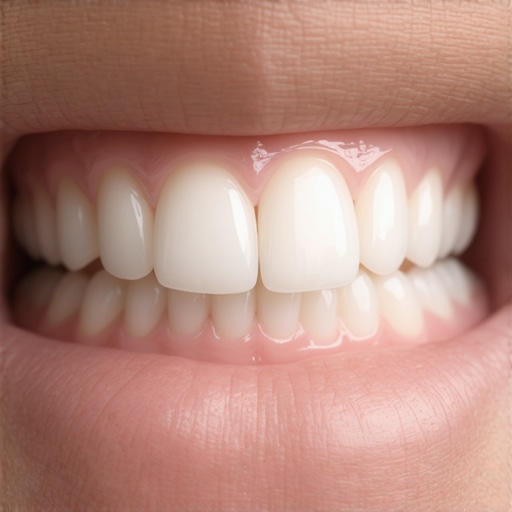
It was a quiet Saturday morning when I noticed it—something felt off. I was brushing my teeth, as I do every day, when I looked in the mirror and saw a tiny, almost imperceptible recession on one spot along my gumline. At first, I dismissed it as a fluke or maybe a scratch from my toothbrush. But as days went on, that small spot seemed to grow a little more noticeable, and my concern started to grow too. Have you ever faced that strange, isolating sensation where only one part of your gum line begins receding, leaving you puzzled and a little worried? This was my wake-up call.
Understanding the mystery behind receding gums in just one place
Gum recession isn’t always a uniform process; sometimes, it hits just one spot, and that can leave us scratching our heads. For me, it wasn’t just about aesthetics; I wondered if it was a sign of something more serious. Since I’ve been around families and seen firsthand how vital oral health is to overall wellbeing, I knew I had to get to the bottom of it. Over time, I learned that localized gum recession can be caused by several factors—from aggressive brushing habits to localized periodontal issues or even traumatic injury.
One mistake I made early in my journey was ignoring that tiny change. I thought, “It’s probably nothing.” But as research shows, early signs of gum recession can be a warning that something more significant is brewing underneath. According to the American Academy of Periodontology, localized gum recession is often related to specific causes such as plaque buildup, uneven tooth surfaces, or habits like teeth grinding. It’s essential not to dismiss these signals; they’re your body’s way of telling you to pay close attention.
If you’ve ever wondered why only one spot on your gums seems affected while the rest remains healthy, trust me—you’re not alone. And, the good news is, identifying the root cause early leads to more effective solutions. In my case, a combination of gentle flossing techniques and professional advice helped me take control of the situation. Want to learn how to properly care for that troublesome spot? Stay with me as I share actionable steps that can help you prevent further recession and protect your smile.
Thinking back, I realize how important it is to listen to your body and seek expert guidance when changes appear. My experience taught me that good oral health isn’t about ignoring the small signs but addressing them head-on. If you’ve noticed something similar, ask yourself—have you ignored that little change in your gumline? If so, you’re not alone, and together, we’ll explore how to handle it.
Identify and Modify Harmful Habits Immediately
Think of your gums as delicate garden plants—they need gentle care. I started by scrutinizing my daily habits, noticing how aggressive brushing was eroding my gumline. I switched to a soft-bristled brush and learned proper technique through resources like modern family dentistry techniques. This change not only halted further recession but also promoted healthier gums. Use circular motions, avoid scrubbing aggressively, and commit to twice-daily brushing. Micro story: I caught myself in the act of scrubbing too hard during my morning routine, so I consciously slowed down, and within weeks, the gums responded positively.
Clean Thoroughly but Gently to Remove Plaque
Plaque buildup is like a stubborn layer of grime on your car—if not removed, it causes corrosion and damage. Regular flossing is vital, but I learned to do it properly by following tutorials linked in flossing around retainers and avoiding tearing or aggressive pulls. Floss daily, gently sliding it just below the gumline without forcing it. I found that using interdental brushes helped reach tight spots without harm. Remember, the goal is to disrupt plaque molecules without injuring delicate tissues.
Improve Your Diet to Support Gum Health
Nutrition directly impacts gum resilience. I incorporated more vitamin C-rich foods like citrus and leafy greens, which function as antioxidants—think of them as shield-bearers for your gums. Avoid excessive sugary snacks that fuel harmful bacteria. I cut back on processed foods and increased intake of crunchy vegetables; they act like natural toothbrushes, scrubbing away plaque. Consistent dietary choices provide the building blocks for healthier tissue and prevent further recession.
Schedule Professional Evaluation Quickly
While home care is essential, seeing a dentist early can prevent minor issues from becoming severe. I booked an appointment through professional dental services for a comprehensive assessment. During the visit, the dentist examined my gum recession and identified localized periodontal issues—similar to diagnosing an engine fault after feeling the vibrations. Professionally cleaning and possibly applying sealants or grafts can restore tissue and secure your gumline. Don’t delay—early intervention is your best defense.
Consider Restorative Options When Necessary
In cases where recession is advanced, restorative solutions like gum grafts or crowns can rebuild lost tissue and restore function. I reviewed options on crowns and grafts, understanding they act as sturdy reinforcements—like adding braces to straighten what’s bent. Such procedures should be performed by an experienced practitioner, ensuring durability and comfort.
Combining these steps transformed my approach—each action fortified my gums against further damage. Remember, tiny changes, consistent diligence, and professional guidance create a powerful defense against localized gum recession.
Many people carry misconceptions about oral health practices, family dentistry, crowns, and Invisalign, often leading to less effective treatments or even avoidable complications. Let’s dig deeper into some of these misunderstandings and reveal the hidden nuances that even experienced dental patients might overlook.
Are All Dental Crowns Created Equal? Think Again
While many believe that all crowns are interchangeable, the reality is quite different. The type of material—porcelain, zirconia, or gold—significantly impacts durability, aesthetics, and suitability depending on the tooth’s position and function. For instance, crowns can vary greatly in their longevity and natural appearance. Many assume a porcelain crown is always best for front teeth, but some cases may benefit from metal-ceramic options, especially in high-stress areas. Beware of the misconception that crowns are purely cosmetic; they also restore function and protect vulnerable teeth, making the choice of material crucial.
Why Believing That Brushing Alone Will Maintain Healthy Gums Is a Trap
Deep cleaning, flossing, and regular professional check-ups are often underestimated. A common myth is that diligent brushing suffices, but plaque removal occurs more effectively with proper flossing or interdental brushes, especially in tight spaces. Without addressing plaque buildup in hard-to-reach areas, localized recession or periodontal issues can develop, which might be mistaken for mere aesthetic flaws. Consider the advanced techniques outlined in modern family dentistry methods that go beyond basic brushing.
Invisalign Myths Shrouding the Reality of Orthodontic Care
Many think Invisalign is only for minor adjustments or that it isn’t as effective as traditional braces. However, recent studies show that Invisalign, when used correctly, can treat complex cases with comparable outcomes to braces. The key is proper planning and patient compliance. An error patients often make is neglecting the importance of dedicated wear time, leading to subpar results. To gain more insight into what Invisalign really offers and debunk misconceptions, check out this comprehensive guide.
Common Pitfalls to Avoid in Family Dental Care
One trap many fall into is delaying professional evaluations, assuming home care will suffice. Regular checkups allow detection of early anomalies like white spots or minor recession, which can escalate if ignored. Additionally, some believe that whitening or veneers can fix underlying issues—this can mask symptoms while problems worsen beneath. Embracing a holistic approach, as suggested in family-oriented dental tips, ensures long-term health.
Let’s not forget that being informed goes beyond surface knowledge. Recognizing these misconceptions and understanding the real implications helps make smarter decisions for your oral health. Have you ever fallen into this trap? Let me know in the comments, and together we can share insights to keep everyone’s smile healthy and bright.Maintaining your oral health over the years requires more than just diligent brushing; it calls for the right tools and methods that ensure durability and effectiveness. A personal favorite is the **Waterpik Sonic-Fusion Dental Water Flosser**, which combines flossing and brushing in one device. I use it daily because it effectively reaches deep between teeth and along the gumline—areas traditional brushing often misses, helping prevent localized recession and periodontal issues. For added precision, I recommend the **Oral-B iO Series** electric toothbrush with pressure sensors. It alerts me if I brush too aggressively, protecting my gums from damage, especially around crowns and implants. Regular professional cleanings complement these tools, but staying consistent at home is essential for long-term results.
How do I maintain the effectiveness of my dental tools over time?
It’s crucial to replace toothbrush heads and floss refills regularly—every three months or sooner if bristles fray. Proper storage is also vital; keep devices dry and in clean, ventilated areas to prevent mold buildup. I avoid sharing tools between family members to prevent cross-contamination. Additionally, investing in **ultrasonic toothbrush sanitizers** can sterilize your brush heads, maintaining hygiene effectively. Trend-wise, expect advancements in AI-powered toothbrushes that adapt brushing intensity and patterns based on your oral health data, making maintenance even smarter.
What about tools for crowns and Invisalign?
For crowns, I use specially designed interdental brushes like the **TePe Interdental Brushes** to clean around the margins thoroughly, preventing plaque buildup that can lead to recession. Invisalign trays require meticulous cleaning—daily rinsing with mild soap and a soft toothbrush prevents bacteria and stain accumulation. I also suggest using **ultrasonic cleaners** every few weeks to deepen cleanliness and prolong tray clarity and comfort. Staying ahead involves tracking your oral health data via apps linked to your devices, which can provide personalized reminders and insights. Incorporate these advanced practices consistently, and you’ll see improvements in both maintenance and long-term results. According to a 2022 report by the American Dental Association, integrating technology into routine oral care significantly enhances outcomes and patient satisfaction, pointing toward a future where digital dental maintenance becomes standard. Don’t forget to try using ultrasonic cleaning devices—they’ve transformed how I maintain my Invisalign trays and crowns, offering superior hygiene with minimal effort. Explore the latest innovations and stay proactive—your smile will thank you.Reflecting on my experience with localized gum recession, I realized that often, the most impactful lessons come from paying close attention to small, overlooked details—like that tiny recession I initially dismissed. It taught me that early signs of issues are whispers from your body, urging you to act before problems escalate. The deep understanding I gained is that consistent, gentle care—like proper brushing with soft-bristled brushes and mindful flossing—can prevent minor issues from becoming major setbacks. Moreover, I learned that integrating modern technology, such as ultrasonic cleaners and smart toothbrushes, empowers us to maintain optimal oral health efficiently. Truly, the key is staying curious, proactive, and informed, because your smile is more than just appearances; it’s a reflection of your overall well-being.