
Why your gums are swollen around your new Invisalign attachments
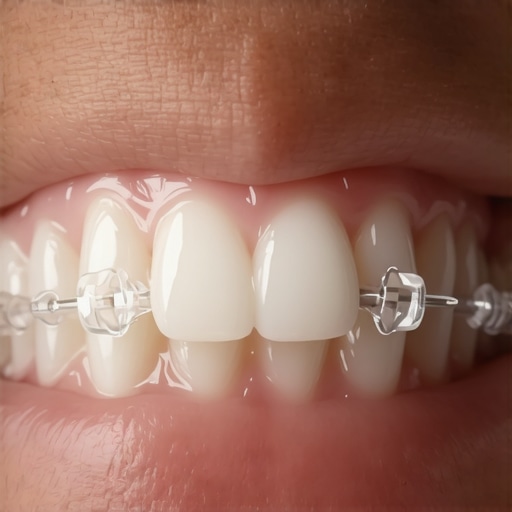
I remember staring into the mirror one morning and noticing my gums looked puffy and red around my latest Invisalign attachments. It was a lightbulb moment—my smile was supposed to be improving, not causing new discomfort. That sudden swelling threw me off and made me wonder, “Is this normal?” I felt kind of betrayed by my own body, and honestly, a bit worried. But what I didn’t realize then was that this common issue is often manageable with the right knowledge and care.
Why Your Gums Are Swollen After Getting Invisalign Attachments
If you’ve recently started wearing Invisalign, you’ve probably experienced some gum irritation or swelling around the attachments, also known as buttons. These tiny bumps are glued onto your teeth to help shift your alignment more effectively. While they are a crucial part of the process, they can sometimes cause your gums to react negatively. The swelling is often due to minor inflammation caused by irritation or pressure from the attachments, especially if your gums are sensitive or if plaque has accumulated around them. Such reactions are quite common, especially during the first few weeks, but that doesn’t mean you should ignore them. In fact, addressing this early can prevent more serious issues down the line.
My early mistake was underestimating the importance of gentle oral hygiene around these attachments. I brushed too hard, thinking I was cleaning better, but really I was just aggravating my gums further. Trust me, I learned the hard way — gentle, consistent cleaning and using the right tools can make a big difference. For many, the key lies in understanding why the swelling occurs and how to soothe it safely. Fortunately, there are simple strategies to manage this discomfort, and I’m here to share what I’ve learned from personal experience and research.
Is Swollen Gums an Indicator of Something Serious?
This is probably your biggest concern. The truth is, occasional gum swelling around Invisalign attachments is usually temporary and benign. However, persistent or worsening swelling could signal issues like infection or allergic reactions. If you notice signs such as bleeding, persistent pain, or pus, it’s essential to consult your dentist promptly. Don’t just brush off the swelling as a minor inconvenience—early intervention can save you from potential complications and ensure the best outcome for your Orthodontic journey.
So, have you faced this bubble of swelling around your attachments? You’re not alone. And rest assured, with the right care and advice, you can minimize discomfort and keep your smile on the right track. Next, let’s explore some effective, dentist-approved ways to reduce swelling and protect your gums during your Invisalign treatment. For more insights on maintaining oral health in this journey, check out top oral health tips.
Master Gentle Oral Hygiene Techniques
One of the most crucial steps I learned was how to properly brush around attachments without aggravating my gums. Instead of scrubbing with force, I used a soft-bristled toothbrush and gentle circular motions. For instance, I filled a cup with warm water, added a dash of mouthwash, and swished softly after brushing to loosen debris without causing irritation. This approach minimizes inflammation and keeps plaque at bay. To further protect your gums, consider a magnetic or water flosser, which precisely cleans around attachments without scratching delicate tissue.
Incorporate Anti-Inflammatory Rinses into Daily Routine
I found using an antimicrobial or saltwater rinse significantly reduced swelling and discomfort. Dissolve half a teaspoon of salt in a cup of warm water and swish for 30 seconds, then spit. Doing this twice daily creates a soothing environment that alleviates inflammation. Alternatively, an over-the-counter rinse with chlorhexidine can fight bacteria around attachments, especially during the initial phase. Using these rinses consistently helps calm irritated gums and prevents plaque buildup, which can worsen swelling.
Adjust Your Diet to Support Gum Health
Eating soft, anti-inflammatory foods like yogurt, cooked vegetables, and omega-3 rich fish can accelerate healing. I cut out crunchy or sticky snacks that could lodge around attachments and cause irritation. Drinking plenty of water flushes out bacteria and maintains saliva flow, which naturally fights inflammation. I remember a hectic week when I relied on smoothies and soups; within a few days, the swelling decreased noticeably. Prioritizing nutritious, gentle foods supports your body’s ability to recover from gum irritation.
Timing and Technique for Effective Flossing and Cleaning
Micro-Story: I struggled initially with flossing around my attachments, risking further irritation. Then, I switched to a floss threader designed for braces and Invisalign, which easily guided floss under the wire and around the attachments. This method removes trapped food and plaque efficiently without damaging the tissue. I also used interdental brushes with soft bristles to reach tight spots effectively. Employing proper tools and techniques ensures thorough cleaning without aggravating swelling, essential during sensitive phases of Invisalign treatment.
Schedule Regular Dental Check-Ups
Consistent visits to your dentist are vital. During a routine appointment, I asked my dentist to evaluate the attachments and gum health. They can professionally clean areas difficult to reach and address issues before they worsen. If swelling persists beyond a week despite home care, your dentist might adjust or replace attachments or recommend medicated gels to reduce inflammation. Regular check-ups serve as an external checkpoint to keep comfort and health aligned throughout your Invisalign journey.
Stay Mindful of Allergic Reactions or Infections
If swelling fails to subside or worsens, consider potential allergic responses to adhesives or materials. I once experienced persistent redness and swelling that didn’t respond to routine measures; my dentist tested for allergens, and we switched to hypoallergenic attachments, which solved the problem instantly. Recognizing signs like pus, bleeding, or severe pain warrants prompt professional attention to prevent underlying infections or allergic reactions. Being alert to these signs helps you address issues before they escalate.
While many people believe they understand the basics of dental care, certain myths persist that can hinder optimal oral health. For example, some think that frequent flossing isn’t necessary if you’re brushing regularly, but in reality, flossing reaches areas that toothbrushes can’t, preventing plaque buildup and gum disease. Additionally, a common mistake is assuming that crowns are purely cosmetic; but crowns actually restore and strengthen compromised teeth, significantly impacting function and health.
Are Invisalign Attachments Increasing Your Risk of Decay Without You Knowing?
This is a nuanced issue often overlooked. Certain orthodontists suggest that attachments can create hard-to-clean spots, but recent studies indicate that with meticulous home care and regular professional cleanings, the risk of decay remains minimal. An article from the Invisalign myths debunked page details how advanced tray design and patient education are reducing decay risks associated with attachments. The real problem arises when patients underestimate the importance of diligent cleaning routines around these areas, thinking that brushing alone suffices. Neglecting interdental cleaning tools like Water flossers can lead to micro-cavities forming unnoticed. Therefore, it’s essential to understand that even minor details in routine care can impact long-term outcomes, especially with aligner-based solutions that demand precision in hygiene practices. This deepens the conversation about family dentistry, highlighting the importance of tailored advice for different orthodontic choices. Don’t miss out on learning more about how these advanced options can benefit your family — check the latest trends in Invisalign and family dentistry. Have you ever fallen into this trap? Let me know in the comments.Maintaining optimal oral health requires more than just regular brushing and flossing; it involves investing in the right tools and adopting effective routines that ensure long-term success. Personally, I rely on several specialized devices that have transformed my dental care, especially during Invisalign treatment. One essential tool I recommend is the Water Flosser (such as the Waterpik), which I use twice daily to dislodge debris around attachments, preventing plaque buildup and swelling. Its targeted spray reaches tight spots where traditional floss can struggle, ensuring that my gums stay healthy and irritation-free. Additionally, I swear by using a soft, electric toothbrush with a timer feature—like the Philips Sonicare—to guarantee thorough yet gentle cleaning, especially around crowns and veneers. These tools are backed by recent advancements highlighted in the latest Invisalign innovations article, which emphasizes precision in home care. Predicting the future, I believe that smart dental devices integrated with AI will become standard, offering real-time feedback to optimize technique and prevent issues before they escalate. How do I maintain my tools over time? I ensure they’re replaced or sterilized regularly—cleaning my water flosser heads every few months and charging my toothbrush nightly. Keeping your equipment in top shape not only prolongs its lifespan but also maximizes its effectiveness, which is crucial when managing complex dental scenarios like crowns or family dentistry needs. For a comprehensive approach, I also recommend scheduling routine professional check-ups, as they can verify that your home routines and tools are truly supporting your oral health. If you’re serious about elevating your dental regimen, I urge you to try the advanced tip of using a Water Flosser daily. It’s made a noticeable difference in my gum health and, I believe, can do the same for you. Learn more about maintaining your tools and techniques by visiting our family dentistry trends page, where I share insights on innovative practices and ongoing advancements.
Throughout my Invisalign journey, I uncovered valuable insights that extended beyond basic oral hygiene. One revelation was the importance of patience; initial discomforts like swollen gums are often temporary and require gentle perseverance. I also learned that my body’s reactions can serve as signals, prompting me to refine my care routines rather than ignore warning signs. Lastly, I realized that ongoing professional support, paired with conscientious at-home practices, forms the foundation of a comfortable and successful orthodontic experience.
What Surprised Me About Gummy Swelling and How I Turned It Around
I didn’t expect that simple tweaks in my cleaning routine and diet could make such a noticeable difference. Recognizing that inflammation often stems from plaque buildup around attachments, I adopted a soft-bristled toothbrush and used interdental brushes, which proved more effective and gentler. Switching to anti-inflammatory rinses not only reduced swelling but also boosted my confidence in managing minor issues independently. These lessons demonstrated that proactive, gentle care is vital, and quick action can prevent complications from escalating.
Curious About Tools That Can Transform Your Oral Care Routine?
My go-to devices include the Water Flosser, which targets stubborn debris around attachments, and an electric toothbrush equipped with smart timers that ensure thorough cleaning without over-aggressiveness. I trust these because they’re backed by research and my own positive results. Additionally, consulting knowledgeable dental professionals and staying informed through reputable sources like top oral health tips helps tailor routines to my unique needs, especially when dealing with sensitive areas during Invisalign treatment.
Seize Your Smile Adventure
Remember, managing swelling and discomfort with Invisalign isn’t just about quick fixes—it’s about adopting a mindset of attentive, gentle care that respects your body’s signals. Each small effort builds toward a healthier, more confident smile. If you’re facing similar challenges, know that your dedication can lead to breakthroughs you might never have anticipated. Let your commitment inspire others on their journey to better oral health.
What personal tips have helped you stay comfortable during Invisalign treatment? Share your experience below, and let’s support each other in achieving our best smiles!