
Why Your Gums Feel Itchy After Eating Certain Fruits
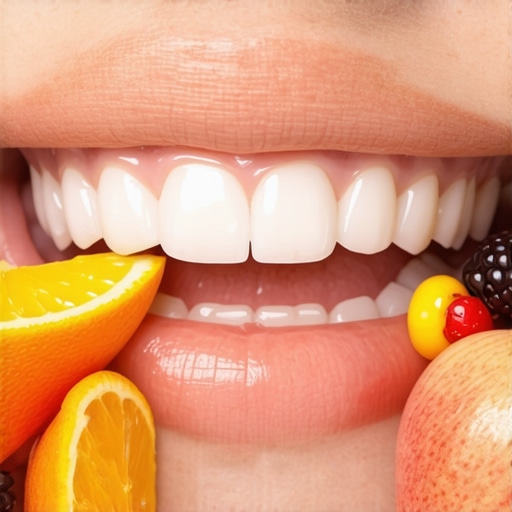
One sunny afternoon, I was munching on a juicy apple when suddenly, my gums started to itch intensely. It caught me off guard—what’s going on with my mouth? I brushed it off at first, thinking maybe I was just imagining things. But then it happened again after eating strawberries, and I realized I wasn’t alone in this weird, frustrating experience. If you’ve ever felt that sudden, uncomfortable itchiness in your gums after enjoying your favorite fruits, you know how unsettling it can be. It sneaks up on you, spoiling the joy of eating and leaving you wondering what’s causing it and how to fix it.
Understanding the Mystery Behind Itchy Gums After Fruits
Honestly, I spent quite a bit of time researching, experimenting, and talking to my dentist to get to the bottom of this issue. Turns out, the cause isn’t always straightforward. Sometimes, it’s related to sensitivities or allergic reactions, but other times, certain fruits can trigger a mild irritation or even an inflammatory response in predisposed individuals. What I learned is that this sensation can be more common than we think, especially with the wide variety of fruits in our diets that might contain allergens or acids that bother sensitive gums. And here’s the kicker—many people dismiss these reactions as coincidence, or worse, ignore them altogether, leading to more oral health issues down the line.
Before jumping into solutions, I want to share a little mistake I made early on. I thought just brushing more would solve the problem. Nope! Overbrushing can actually worsen gum irritation. Instead, knowing the proper approach makes all the difference. That’s why I want to help you understand what’s behind these itchy feelings and, more importantly, how you can enjoy your fruits without discomfort. If this sounds familiar, keep reading! We’ll explore practical, neighborly tips and expert advice to bring relief and protect your oral health. Want to see how simple changes can make a difference? Stick around, because the next steps might surprise you.
Is your reaction to fruits genuinely allergies or something else?
Many folks, including myself, jump to the allergy conclusion without considering other factors. For example, acidity levels in fruits like citrus can cause irritation, especially if you already have sensitive gums or minor dental issues. Early in my journey, I mistakenly thought any sensation meant I was allergic—turns out, it was more about pH levels and how my mouth was reacting to the acids. Consulting with a family dentist helped clarify that there are many nuances to gum reactions, and understanding them can save you a lot of worry and unnecessary treatments.
Did you know that about 20% of people experience oral sensitivity caused by acidic foods, which can mimic allergy symptoms? (Source: American Dental Association). Recognizing if your symptoms are due to sensitivities rather than allergies is the first step in managing them effectively. Now, I’ll share some of the practical strategies I’ve discovered to help you enjoy your favorite fruits without fuss—and to keep your gums healthy and happy.
Identify Your Triggers with Precision
Start by keeping a detailed food diary to pinpoint which fruits consistently cause discomfort, similar to how I tracked my reactions to strawberries and citrus. Note the specific fruits, portion sizes, and timing of discomfort. This method helps differentiate between sensitivities and allergies, saving you from unnecessary treatments. Remember, even a small note can reveal patterns—once I observed that citrus and strawberries were frequent culprits, I knew which fruits to moderate. For a comprehensive approach, consult your dentist about potential sensitivities at https://familydentistpro.com/contact-us.
Adjust Your Dietary Habits Effectively
Instead of avoiding all fruits, modify how you consume them. For instance, opt for less acidic options like bananas or melons. When eating more irritating fruits, do so during meals rather than alone to buffer acids with other foods. Using a straw can minimize direct contact with gums, especially with acidic drinks. An example from my experience involved blending strawberries into smoothies; this reduced direct gum irritation compared to biting into fresh strawberries. These minor adjustments can be surprisingly effective in reducing itchiness.
Incorporate Gentle Oral Care Routines
Overbrushing can exacerbate gum irritation, so switch to a soft-bristled brush and gentle strokes. Consider using toothpaste formulated for sensitive gums, often containing potassium nitrate or similar agents. Rinsing with a fluoride-based mouthwash helps strengthen enamel and reduce sensitivity without harsh chemicals that can irritate your gums. I found that switching to a gentle oral hygiene routine after noticing increased sensitivity led to noticeable improvement within a week. For tailored advice, explore expert tips at https://familydentistpro.com/top-oral-health-tips-for-your-familys-bright-smiles.
Enhance Your Gums’ Defense Naturally
Maintain an anti-inflammatory diet rich in omega-3 fatty acids, antioxidants, and vitamin C to support gum health. Incorporate foods like fatty fish, leafy greens, and berries—these can help reduce gum inflammation and sensitivity. I started adding more salmon and spinach to my meals, which visibly decreased gum itchiness over a month. Staying hydrated also flushes out irritants and keeps your mucous membranes healthy. Natural remedies like warm saltwater rinses or oil pulling with coconut oil can provide additional soothing effects, promoting healing without chemicals.
Recognize When To Seek Professional Help
If discomfort persists beyond a few weeks despite these measures, consult a dental professional to rule out underlying issues such as infections, cavities, or gum disease. Dentists can perform targeted treatments or provide personalized advice tailored to your specific sensitivities. Remember, early professional intervention can prevent minor irritations from developing into more serious problems. To get expert care, visit https://familydentistpro.com/contact-us or explore trusted family dentistry options that prioritize your oral health.
Many patients operate under misconceptions about advanced dental treatments, often leading to suboptimal results or unnecessary anxiety. One common myth is that Invisalign is just trendy orthodontics, but in reality, it offers precise, discreet corrections that require careful planning and understanding of tooth movement mechanics. According to a study published in the Journal of Orthodontics, correct application of aligners can achieve results comparable to traditional braces when complemented with expert supervision. Similarly, many believe crowns are only for aesthetic purposes; however, they serve as vital restorations that protect compromised teeth and preserve function. Visiting a skilled *family dentistry* professional, who stays abreast of the latest trends [such as in this insightful article], ensures your treatments are both long-lasting and tailored to your needs.
One silent trap many fall into involves thinking all crowns are the same. Notably, choosing the wrong type or material without professional guidance can lead to failures, discoloration, or discomfort. For example, porcelain-fused-to-metal crowns can sometimes cause a gray line at the gum line if not carefully fitted, which underscores why selecting an experienced crown expert is crucial for optimal results [more in this comprehensive guide].
From a broader perspective, some believe that oral health primarily depends on brushing and flossing—yet, this overlooks subtle but critical nuances. For instance, improper brushing technique or neglecting interdental cleaning can leave behind plaque hotspots that foster decay and gum disease. A study by the American Dental Association highlights that many oral issues stem from overlooked cleaning habits and incorrect use of dental tools.
Why Do Some Treatments Fail Despite Following ‘Proper’ Protocols?
This is where advanced understanding makes the difference. Factors like saliva composition, genetic predispositions, or even micro-biofilm formation can undermine treatment success. For example, a patient may diligently wear Invisalign trays but neglect maintaining oral hygiene, leading to microbial buildup that impedes tooth movement [read more about Invisalign myths and truths here]. Recognizing these underlying nuances allows professionals to tailor interventions proactively, ensuring durable results.
Moreover, the misconception that treatment success is purely about aesthetics misses how restorations and orthodontics influence long-term health. Properly fitted crowns or aligners contribute significantly to masticatory function, speech, and overall well-being. Therefore, choosing an experienced family dentist ensures these treatments align with your health goals, not just appearance.
Understanding the intricacies behind common dental misconceptions helps you make informed decisions. Are you falling prey to any of these myths? Have you ever overlooked the importance of expert guidance in your dental journey? Let me know in the comments or explore how experts can help you achieve healthier, more functional smiles with insights from our full range of services [here].
Maintaining your dental restorations and orthodontic appliances over the long haul requires more than just good brushing habits. The tools you select and how you use them play a crucial role in ensuring longevity and optimal oral health. As someone who has invested in multiple treatments like crowns, Invisalign, and family dentistry, I know firsthand the importance of reliable tools and smart routines.
Invest in Precision Cleaning: My Favorite Instruments
I personally swear by a high-quality sonic toothbrush, like the Philips Sonicare DiamondClean. Its oscillating-rotating technology efficiently removes plaque, especially around crowns and orthodontic attachments. Regular manual brushing might suffice for general cleaning, but the sonic brush’s vibratory action reaches deeper into crevices, reducing the risk of plaque buildup that can compromise dental restorations. Additionally, I incorporate a tailored interdental cleaning tool, such as the Waterpik Water Flosser, which helps dynamically clean around crowns and braces. Its pulsating water can dislodge debris where traditional floss misses, and I use it daily to maintain gum health and prevent overgrowth issues related to improper cleaning.
Software and App Solutions Boost Results
For those with clear aligners, tracking progress and adhering to optimal wear schedules is vital. I recommend the Invisalign app or similar software that links directly with your aligners, providing reminders, progress tracking, and even virtual check-ins with your dentist. This digital layer of accountability ensures that your treatment stays on course, preventing setbacks like extended wear times or misaligned movement.
Routine Checks and Upkeep Make All the Difference
Regular dental visits are non-negotiable, especially for those with crowns or implants. During these visits, your dentist can examine the integrity of restorations, check for overgrowth signs, and perform professional cleanings with specialized instruments like UV-sterilized ultrasonic scalers. I make a habit of scheduling semi-annual appointments, focusing on early detection of issues such as gum recession or potential crown overgrowth, which can be caught when my dentist uses tools like the gums overgrowth detection system. Keeping up with these visits prevents costly repairs or replacements down the line.
What Future Tech Might Revolutionize Maintenance
Looking ahead, I believe integrating artificial intelligence with in-home monitoring devices will revolutionize long-term dental care. Imagine a device that scans your mouth weekly and alerts you or your dentist about emerging issues before symptoms even appear. Companies like Dental Monitoring are pioneering such innovations, making routine maintenance more predictive than reactive.
If you want to step up your maintenance routine, try incorporating a professional-grade sonic toothbrush and a smart app for tracking your Invisalign wear. Using precise tools now can save you frustration and money later—so why not start today? Regular maintenance, combined with the right equipment, truly keeps your dental work in excellent shape for years to come.
As I reflect on my own experience with gums sensitivity and dental treatments, I realize that the most valuable lessons often come from unexpected places. One key insight I gained is the importance of listening to your body and observing subtle signs that can prevent bigger issues down the line. For instance, noticing minor gum discomfort during routine activities can be an early warning sign that prompts timely professional advice, saving you discomfort and expense later.
The Unexpected Power of Personal Observation
Keeping a detailed diary of your reactions to different foods, habits, or treatments can reveal patterns that are not immediately obvious. This proactive approach allows you to collaborate more effectively with your dentist, leading to personalized solutions that truly address your unique needs. Trusting your intuition and data can lead to breakthroughs in maintaining long-term oral health.
My Favorite Tools That Make a Difference
Investing in high-quality, specialized tools has transformed my daily routine. A sonic toothbrush like the Philips Sonicare DiamondClean, paired with a Waterpik Water Flosser, ensures thorough cleaning around crowns and Invisalign attachments, reducing plaque buildup and irritation. These tools empower you to take control of your oral health, making routines more effective and less burdensome.
Connecting Chemistry and Care
Understanding the role of pH levels and acids in fruits has been eye-opening. Learning how acidity can irritate sensitive gums, even without an allergy, led me to modify my diet and enjoy fruits like bananas or melons more comfortably. This knowledge underscores that small adjustments rooted in science can have a significant impact on daily comfort and long-term health.
Embracing the Future of Dental Wellness
Emerging technologies such as AI-powered saliva tests and smart monitoring devices hold promise for early detection and personalized care. These innovations could revolutionize how we monitor and maintain oral health, making preventative care more precise and less invasive. Staying informed about these advancements allows you to make smarter choices and advocate for cutting-edge care that benefits your entire family.